













































%20and%20Batch%20Production%20Records%20(BPR).png)
















Moderate Wine Consumption May Slow Biological Aging in Men, Study Finds
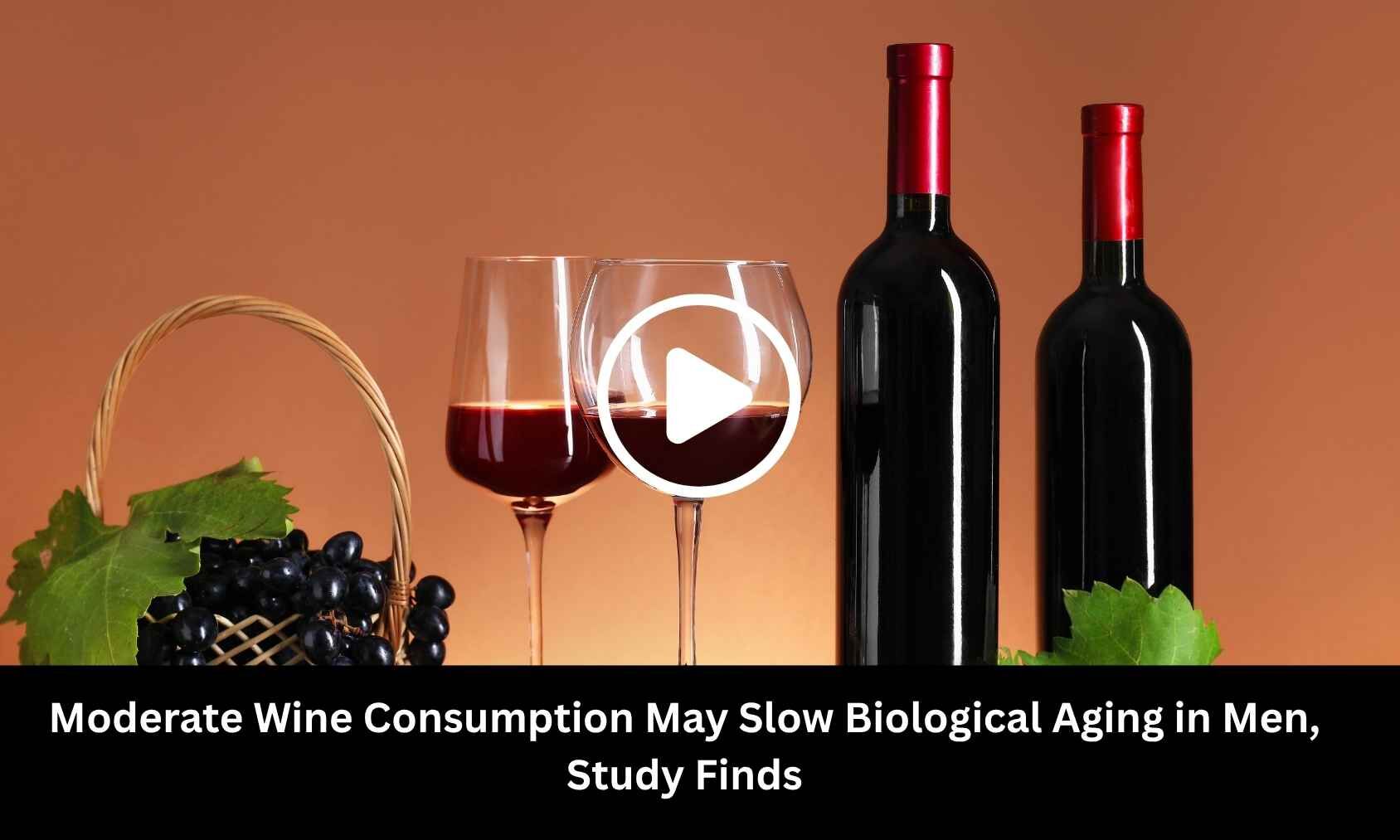

A recent study published in the International Journal of Public Health explored how wine consumption patterns relate to biological aging, offering new insights into how lifestyle choices may influence long-term health.
Unlike chronological age, Biological Age reflects the body’s physiological condition and is considered a stronger predictor of disease risk and longevity. Researchers analyzed data from over 22,000 adults in Italy’s Moli-sani cohort, using a deep learning model based on 36 biomarkers to estimate aging differences (Δage).
Participants were grouped by wine consumption levels, ranging from abstainers to heavy drinkers. The findings showed that men who consumed wine moderately—consistent with the Mediterranean Diet (about 125–500 mL daily)—experienced slightly slower biological aging compared to non-drinkers. The most notable benefit appeared at around 170 mL per day (roughly one to two glasses), where biological age was reduced by approximately 0.34 years.
However, this effect followed a U-shaped pattern. Both low and high levels of wine consumption showed neutral or negative associations with aging. Heavy drinking, in particular, was linked to accelerated aging, emphasizing that excess alcohol negates any potential benefits. Interestingly, total alcohol intake from all sources did not show the same positive association, suggesting that wine-specific compounds may play a role.
Researchers believe bioactive components such as Polyphenols—rather than alcohol itself—may contribute to these effects. These compounds are known for their antioxidant and anti-inflammatory properties, which may support healthier aging processes.
Notably, the observed associations were more evident in men, while results in women were not statistically significant, possibly due to differences in alcohol metabolism.
Overall, the study suggests that moderate wine consumption may be linked to slightly slower biological aging, but it does not establish causation. Experts emphasize that lifestyle factors such as diet quality, physical activity, and overall health habits remain far more influential in promoting healthy aging.
REFERENCE: Esposito, S., Di Castelnuovo, A., Costanzo, S., Gialluisi, A., Pepe, A., Ruggiero, E., De Curtis, A., Magnacca, S., Persichillo, M., Casanovas-Garriga, F., Cerletti, C., Donati, M. B., de Gaetano, G., Iacoviello, L., & Bonaccio, M. (2026). Moderate Wine Consumption, Defined by the Mediterranean Diet, Is Associated With Delayed Biological Aging in Men From the Moli-sani Study. Int. J. Public Health. 71. DOI: 10.3389/ijph.2026.1609410, https://www.ssph-journal.org/journals/international-journal-of-public-health/articles/10.3389/ijph.2026.1609410/full
Apa Reaksi Anda?
 Suka
0
Suka
0
 Kurang Suka
0
Kurang Suka
0
 Setuju
0
Setuju
0
 Tidak Setuju
0
Tidak Setuju
0
 Bagus
0
Bagus
0
 Berguna
0
Berguna
0
 Hebat
0
Hebat
0