





















































%20and%20Batch%20Production%20Records%20(BPR).png)
















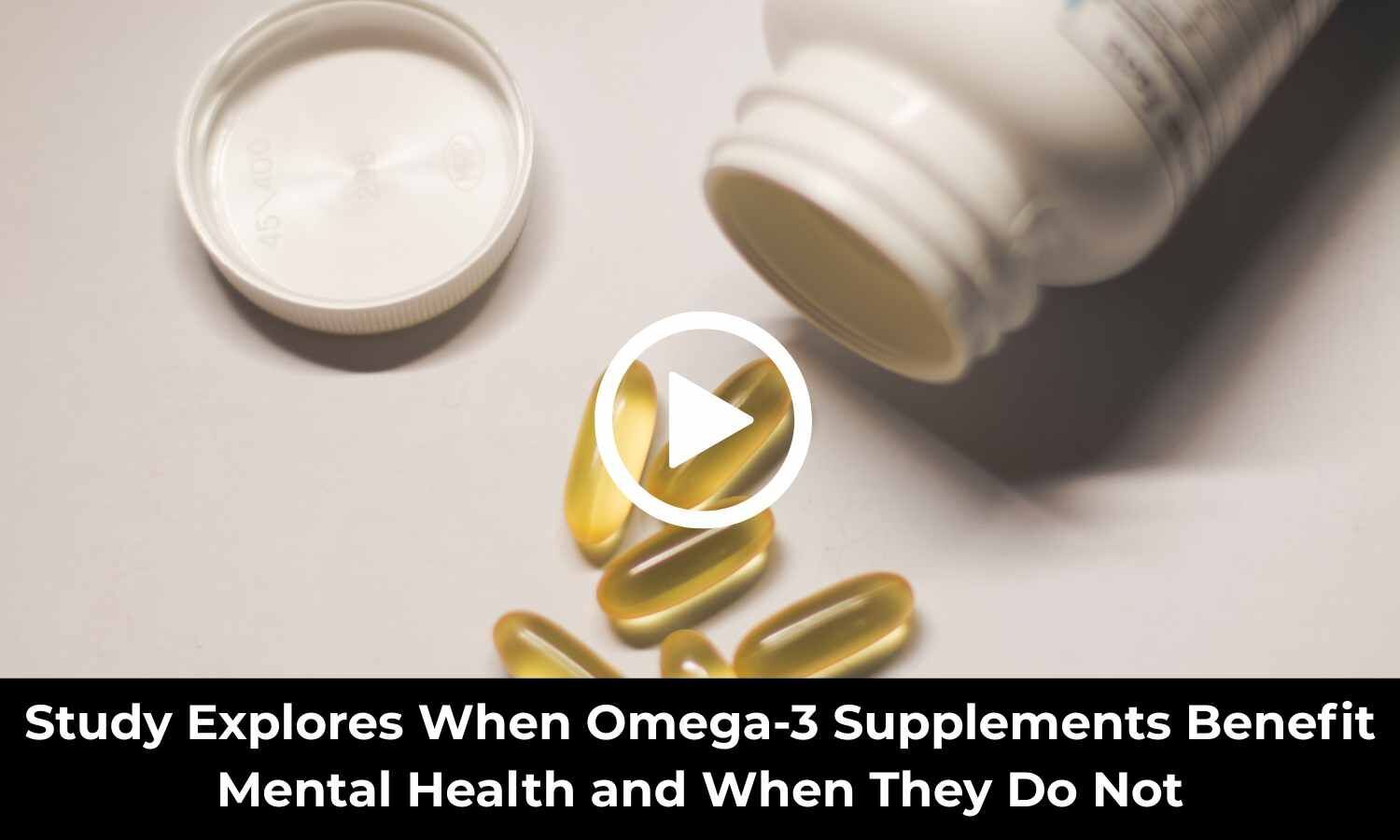
Study Explores When Omega-3 Supplements Benefit Mental Health and When They Do Not
Can a simple nutrient shift influence how the mind feels and functions? A growing body of research suggests that omega-3 fatty acids may play a meaningful, though complex, role in mental health.
A recent review published in the journal Frontiers in Nutrition highlights how omega-3 supplements could impact brain function through anti-inflammatory and neuroprotective mechanisms. Mental health disorders, including depression, anxiety, and schizophrenia, are increasingly being linked to chronic inflammation and imbalances in fatty acid metabolism. Modern diets, often high in omega-6 fatty acids and low in omega-3s, may further contribute to this imbalance.
Omega-3 fatty acids, particularly EPA and DHA, are essential components of brain cell membranes. DHA, for instance, makes up a significant portion of neuronal membranes and supports neurotransmission, synaptic plasticity, and protection against cell damage. EPA, on the other hand, is more closely associated with anti-inflammatory and potential antidepressant effects.
These fatty acids may also influence the hypothalamic-pituitary-adrenal (HPA) axis, helping regulate stress responses and reduce excess cortisol levels. Additionally, omega-3s can affect key neurotransmitters like serotonin and dopamine, which are often disrupted in mental health conditions.
Despite these promising mechanisms, the clinical evidence remains mixed. Some studies suggest omega-3 supplementation may reduce depressive symptoms or delay the progression of early psychosis, while others show limited or inconsistent results—especially in chronic or advanced conditions.
Importantly, omega-3s are not a standalone treatment. Experts emphasize their role as a complementary approach alongside established therapies such as medication and psychotherapy.
Overall, omega-3 fatty acids represent a promising but still evolving area in mental health research, underscoring the intricate connection between diet, brain biology, and emotional well-being.
REFERENCE: Fleig, K., Haslinger, L., Dawczynski, C., et al. (2026). Omega-3 fatty acids in mental disorders: from neurobiological and metabolic mechanisms to therapeutic potential. Frontiers in Nutrition. DOI: https://doi.org/10.3389/fnut.2026.1748196. https://www.frontiersin.org/journals/nutrition/articles/10.3389/fnut.2026.1748196/full
Apa Reaksi Anda?
 Suka
0
Suka
0
 Kurang Suka
0
Kurang Suka
0
 Setuju
0
Setuju
0
 Tidak Setuju
0
Tidak Setuju
0
 Bagus
0
Bagus
0
 Berguna
0
Berguna
0
 Hebat
0
Hebat
0