




























Mycotoxin challenges in mea requires integrated mitigation approach

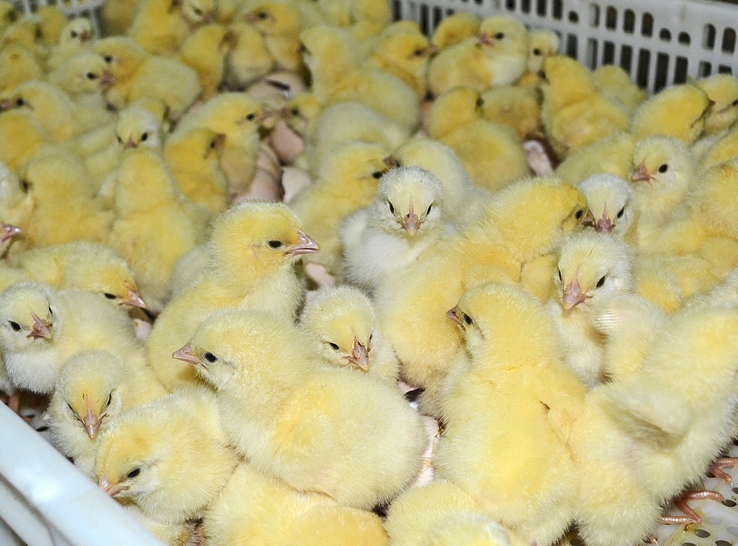
Productivity and sustainability in poultry production are under increasing pressure from mycotoxin contamination in feed, an issue of growing concern across the Middle East and Africa (MEA). Addressing this challenge requires a comprehensive, integrated mitigation strategy.

Product Manager
UTRIX S.A.L.
Mycotoxins, the secondary metabolites produced by filamentous fungi, along with their masked forms, are widely recognized as unavoidable contaminants within food and feed chains (Kovač Tomas & Jurčević Šangut, 2025). The problems can start already in the field and before harvest when cereals and cereal by-products (the main ingredients for poultry diets) become infected with field fungi such as Fusarium spp., favored by moisture during crop development. Additionally, storage fungi like Aspergillus spp. and Penicillium spp. thrive under warm and humid environments during storage and transportation, leading to common mycotoxin accumulation in feed.
THE BIG 6 MYCOTOXIN THREATS FOR POULTRY
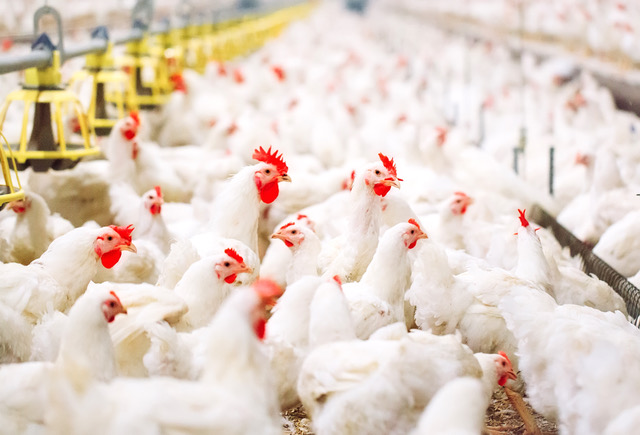
While over 400 mycotoxins have been identified, the mycotoxins of greatest concern in poultry production consistently include aflatoxins (AF), deoxynivalenol (DON), zearalenone (ZEN), T-2 toxin, fumonisins (FUM), and ochratoxin A (OTA). These compounds are among the most frequently detected contaminants in animal feed and are widely recognized for their detrimental effects on poultry gut health, organs, immunity, performance, and productivity (Filazi et al., 2017; Jalilzadeh-Amin et al., 2023; Ochieng et al., 2025).
Chronic exposure to these toxins, even at subclinical levels, can cause significant economic losses by reducing feed conversion efficiency, increasing mortality, weakening the immune system, and heightening susceptibility to infectious diseases such as coccidiosis, salmonellosis, and colibacillosis, and negatively affecting reproductive performance in poultry. Additionally, the transfer of toxic residues into meat and eggs poses a serious risk to consumer health, representing a major public health concern, particularly in regions with limited regulatory monitoring (Olariu et al., 2025; Song et al., 2023).

Aflatoxins (AF)
Aflatoxin exposure has been associated with a number of adverse effects in birds, including decreased egg production, organ damage, weaker immunity, and poor performance. Broiler liver and muscle tissues have been found to contain AFB1 residues, with levels of accumulation varying according to exposure time and dosage (Ochieng et al., 2025; Okasha et al., 2024; Olariu et al., 2025).
Deoxynivalenol (DON)
Deoxynivalenol (DON) is widely recognized for its detrimental effects on animal health, well-being and performance. In poultry, DON exposure has been demonstrated to suppress growth and immunological function and contribute to wet droppings. Notably, DON induces intestinal inflammation and disrupts tight‑junction integrity in laying hens, indicating direct impairment of the gut barrier and a potential role in the development of intestinal dysbiosis. Across livestock and experimental models, numerous studies show that DON impairs nutrient absorption and general physiological processes. Intestinal and immunity dysfunction, decreased feed intake, slower growth rates, and lower feed conversion efficiency are all consequences of chronic exposure (Okasha et al., 2024; Olariu et al., 2025; Zhai et al., 2022).
Zearalenone (ZEN)
Broiler chickens exposed to zearalenone (ZEN) show clear performance impairments, including reduced body weight and weight gain, decreased feed intake, and an increased feed conversion ratio (FCR). High dietary levels of ZEN also exert strong estrogenic effects that can lead to hormonal imbalance, reproductive disorders, and, in severe cases, infertility. Additionally, ZEN disrupts endocrine function by binding to estrogen receptors, leading to hormonal dysregulation and impaired reproductive health. (“Mycotoxin Impact on Egg Production,” 2017; Okasha et al., 2024). ZEN and its masked metabolites have been detected in several poultry tissues, including the liver, blood, kidney, muscle, intestine, and in excreta, demonstrating its systemic distribution. Findings from Okasha et al. (2024) further confirm the presence of ZEN residues in broiler liver samples, underscoring the risks associated with contaminated feed.
Fumonisins (FUM)
When exposed to high concentrations of fumonisins, poultry show significant health and performance impairments. Reduced weight gain, poor feed conversion, increased kidney and liver weights, and liver necrosis are among the consequences that have been reported. Because FB1 affects sphingolipid metabolism, it is frequently linked to hepatotoxicity and nephrotoxicity (“Mycotoxin Impact on Egg Production,” 2017; Okasha et al., 2024; Olariu et al., 2025). Clinical signs of fumonisin intoxication in poultry include lameness, leg weakness, wet droppings, decreased egg production, and, in extreme situations, mortality. There have also been reports of immunological disorders, including lymphocyte suppression, decreased humoral immunity, and immunosuppression. Furthermore, birds exposed to fumonisins often exhibit intestinal and hepatic congestion, as well as an increased risk of coccidiosis and necrotic enteritis (Júnior et al., 2022).
Ochratoxin A (OTA)
Poultry’s gastrointestinal tract (GIT) is significantly affected by ochratoxin A (OTA), which compromises the mucosal barrier through damage to intestinal epithelial cells, alterations in gut microbiota composition, and downregulation of tight junction proteins. These disruptions collectively impair nutrient absorption and consequently lead to reductions in body weight and weight gain. Beyond its intestinal effects, OTA poses major risks due to its nephrotoxic, hepatotoxic, and immunosuppressive properties, making it one of the most harmful mycotoxins encountered in poultry production (Bonerba et al., 2024; Okasha et al., 2024; Olariu et al., 2025; S. Zhai et al., 2021).
T-2 toxin (T-2)
T-2 toxin exert a wide range of toxic effects in poultry. These include inhibition of protein, DNA, and RNA synthesis, leading to pronounced cytotoxicity, compromised immunological responses, and greater susceptibility to infectious diseases in poultry. In addition to neurological disorders and general declines in performance, such as decreased weight gain, decreased egg production, and decreased hatchability, affected birds frequently develop oral lesions as well as others in the digestive tract, liver, kidneys, skin, and other rapidly dividing tissues (Olariu et al., 2025; Vörösházi et al., 2024).
The global significance of the six major mycotoxins stems from their high prevalence, with estimates suggesting that more than 60% of feed commodities worldwide are contaminated, making mycotoxins among the most widespread natural toxins affecting animal health and nutrition (Hassan et al., 2026).

Source: Magnific.com
CHALLENGING CONDITIONS IN MEA REGION
In the Middle East and Africa (MEA) region, mycotoxin contamination in animal feed is strongly influenced by a combination of climate change, agricultural practices, economic factors, and feed processing methods. Mycotoxin accumulation due to warm and humid conditions is especially challenging within MEA supply chains (Gomes et al., 2025; Kovač Tomas & Jurčević Šangut, 2025). In addition, many countries in the MEA region depend heavily on imported feed ingredients, where contamination can occur prior to importation, during transportation, or throughout storage. Inadequate storage conditions, warm climates, and lengthy supply chains further increase the risk, making effective mycotoxin management a persistent challenge (Jalilzadeh-Amin et al., 2023).
Furthermore, the co-occurrence of various mycotoxins in feed raw materials and finished feeds is commonly observed worldwide as individual fungi species may produce more than one mycotoxin, and several mycotoxins can also be synthesized by different fungi (Gomes et al., 2025). In addition, masked (hidden) mycotoxins and their metabolites may escape conventional detection yet be converted back into their toxic forms during digestion, further complicating risk assessment (Okasha et al., 2024). As a result, animal feeds often contain several mycotoxins simultaneously, creating complex interactions. Even when present at individually subclinical concentrations, these compounds may exert antagonistic, additive, or synergistic effects, thereby increasing their overall toxic impact. During challenging conditions, involving disease pressure or heat stress, feed that is contaminated with multi-mycotoxins can further spiral down bird health and performance.
ANALYSIS OF RAW MATERIALS IN LEBANON
Mycotoxin co-occurrence in animal feed is a prominent phenomenon, with interactions between toxins frequently resulting in additive or synergistic effects that increase their impact on animal health. According to previous studies, 30% to 100% of feed samples contained two or more mycotoxins (Jalilzadeh-Amin et al., 2023). The current monitoring of raw feed ingredients (corn and soybean meal) in Lebanon, based on an assessment conducted by UTRIX S.A.L. (hereafter called ‘UTRIX’), confirmed the widespread nature of co-contamination under local conditions by showing that 100% of examined samples were contaminated with at least two or more mycotoxins.
Using ELISA-based analysis, UTRIX conducted a three-year assessment (2023-2025) and found a consistent pattern of multi-mycotoxin contamination with significant temporal fluctuations (Figure 1). Zearalenone (ZEN) showed elevated levels in 2023 and 2025, while fumonisins (FUM) were the most common toxins in all years, with a notable increase in 2025. These results are consistent with research showing that FUM and ZEN are present in both summer and winter, demonstrating how toxicogenic fungi may adapt to different environmental conditions (Gomes et al., 2025). In Lebanon, where warm summers and mild, wet winters promote year-round fungal growth, this seasonal persistence is very significant and could account for the recurring prevalence of FUM and ZEN. In contrast, DON showed a declining trend, whereas AF increased over time, and surpassed locally applied thresholds in 2025. OTA remained consistently low, and T-2 toxin showed a gradual increase, indicating a potential emerging risk.
The 2025 results show exceedances for ZEN, FUM, and AF when compared to advisory threshold levels. The mycotoxins’ co-occurrence in this study highlights the importance of considering combined toxicological effects, while their seasonal persistence emphasizes the necessity for ongoing monitoring and integrated mitigation efforts in Mediterranean-like climates.

MULTI-LEVEL MYCOTOXIN CONTROL STRATEGIES
Various strategies are used to reduce mycotoxin contamination in feed, including proper post-harvest practices, strict quality control during sourcing and storage, and physical methods such as sorting and cleaning (Okasha et al., 2024).
Feed additives, particularly anti-mycotoxin solutions, play a central role by reducing toxin bioavailability. Compounds such as modified clays, yeast cell wall extracts, and enzymes can adsorb or biotransform a wide range of mycotoxins, including masked forms, thereby limiting their absorption in the GIT (Kolawole et al., 2025). Overall, effective management requires an integrated approach combining prevention, monitoring, and targeted mitigation strategies.
In line with these mitigation strategies, UTRIX offers a range of mycotoxin management solutions, including UtriSorb®, UtriSorb®PRO, KleenTox®PLUS, KleenTox®PRO, KleenTox®ADVANCE, and KleenTox®DW. Among these, KleenTox®PRO is a broad-spectrum mycotoxin binder combining attapulgite clay, yeast cell wall extract, enzymes, and plant extracts, enabling simultaneous adsorption and biotransformation of multiple mycotoxins while supporting the immune system, liver function, and gut health. This multi-component approach enhances protection against complex mycotoxin challenges commonly observed under field conditions.
Additionally, KleenTox®DW, a mycotoxin control solution for application in drinking water, provides a complementary strategy by delivering rapid and effective mycotoxin control through a synergistic blend of organic acids, yeast cell wall extract, and cinnamaldehyde, thereby supporting gut integrity and immune function. To address fungal proliferation at the source, UTRIX offers MoldBan®, a mold inhibitor applied in feed that limits fungal growth and spoilage through organic acid-based antifungal activity. This helps preserve raw material quality, extend shelf life, and reduce the risk of mycotoxin production.
CONCLUSION
While mycotoxin threshold levels are designed to ensure feed safety, increasing evidence indicates that chronic exposure to low concentrations of multiple mycotoxins, even within accepted limits, can negatively impact animal performance. These subclinical effects often go unnoticed yet are associated with reduced feed efficiency and productivity losses across livestock systems (Kolawole et al., 2025).
Mycotoxin contamination arises from the proliferation of toxigenic fungi, including Aspergillus, Fusarium, and Penicillium, on feed ingredients. This contamination can occur both before and after harvest under favorable conditions such as high moisture levels, inadequate storage, and poor handling practices (Okasha et al., 2024). Given the strong influence of environmental and biological factors on fungal growth, understanding regional contamination patterns is crucial for accurate risk assessment and the development of effective control strategies (Kovač Tomas & Jurčević Šangut, 2025). It also emphasizes the necessity for ongoing monitoring and integrated mitigation efforts in Mediterranean-like climates.
Therefore, safeguarding animal health, performance, and productivity requires an integrated approach combining improved feed management, targeted mitigation strategies, and coordinated efforts among industry stakeholders to enhance monitoring and control systems.
References are available on request.
About Rola Jreissaty
Rola Jreissaty is a Product Manager at UTRIX S.A.L., a premier producer of premixes, concentrates, and feed additives and specialties. Jreissaty oversees the development and marketing of UTRIX’s anti-mycotoxin portfolio, as well as other product categories.
Mycotoxin challenges in mea requires integrated mitigation approach yazısı ilk önce Feed & Additive Magazine üzerinde ortaya çıktı.
Apa Reaksi Anda?
 Suka
0
Suka
0
 Kurang Suka
0
Kurang Suka
0
 Setuju
0
Setuju
0
 Tidak Setuju
0
Tidak Setuju
0
 Bagus
0
Bagus
0
 Berguna
0
Berguna
0
 Hebat
0
Hebat
0