


































































Diabetes Management: A Complete Guide to Blood Sugar Control


A Message from Nadia Al-Samarrie
Diabetes has been part of my family’s story for generations. I watched my mother live with type 2 diabetes and later experience complications that many families fear. Those experiences shaped my mission as the publisher of Diabetes Health—to help people living with diabetes make informed decisions that protect their long-term health.
The encouraging news today is that diabetes care has improved dramatically. New medications, monitoring technology, and education programs are helping millions of people improve diabetes management and live healthier lives. While challenges remain, the progress we are seeing offers real hope.
Understanding Diabetes Management
Diabetes management involves maintaining healthy blood sugar levels while also protecting the heart, kidneys, nerves, and eyes from long-term damage.
According to the Centers for Disease Control and Prevention, more than 38 million Americans are living with diabetes, and about 90–95% of cases are type 2 diabetes.
Managing diabetes successfully requires attention to several interconnected factors, including:
-
Blood glucose levels
-
Blood pressure
-
Cholesterol levels
-
Nutrition and physical activity
-
Medication adherence
-
Mental and emotional health
When these factors are managed together, people can significantly reduce their risk of diabetes complications.
Learn more about diabetes statistics from the CDC.
Blood Sugar Control: The Foundation of Diabetes Care
Maintaining healthy blood sugar levels is the foundation of diabetes management. When glucose levels remain consistently high over time, it can damage blood vessels and nerves throughout the body. This is why healthcare professionals emphasize regular monitoring, healthy nutrition, physical activity, and medications when necessary. Improving blood sugar control is one of the most effective ways to reduce the risk of long-term diabetes complications.
Learn more in our article “10 Things That Affect Blood Sugar Levels.”
The ABCs of Diabetes: Key Health Targets
Healthcare professionals often refer to the “ABCs of diabetes care.” These markers help determine whether diabetes is well controlled.
Understanding your A1C is an essential part of diabetes management. Read more in our guide “Control the ABCs of Diabetes.”
A — A1C (Average Blood Glucose)
The A1C test reflects average blood sugar levels over the previous two to three months.
Many people with diabetes aim for an A1C around 7%, although individual goals may vary depending on age, health conditions, and guidance from a healthcare provider.
B — Blood Pressure
High blood pressure significantly increases the risk of heart disease and stroke for people with diabetes.
Many guidelines recommend maintaining blood pressure below 130/80 mmHg.
C — Cholesterol
LDL cholesterol contributes to plaque buildup in arteries and increases cardiovascular risk.
Many diabetes care plans aim for LDL cholesterol levels below 100 mg/dL, or even lower for people at higher risk.
These targets are outlined in the Standards of Care in Diabetes from the American Diabetes Association.
Encouraging Progress in Diabetes Care
Research over the past decade shows meaningful progress in improving diabetes management in the United States.
National health surveys indicate that many people with diabetes are successfully managing important health targets:
-
Approximately 70–75% meet recommended A1C goals
-
Around 70% maintain healthy blood pressure levels
-
More than half meet cholesterol targets
-
About 85% of adults with diabetes are non-smokers
These improvements reflect advances in diabetes treatment, wider access to education, and increased awareness about lifestyle factors that support better blood sugar control.
More research about diabetes outcomes can be found through the National Institute of Diabetes and Digestive and Kidney Diseases.
Diabetes Treatment Advances Transforming Care
One of the most exciting developments in recent years has been the rapid expansion of diabetes treatment advances.
Modern therapies now offer powerful tools to help patients improve blood sugar control and reduce the risk of complications.
Examples include:
GLP-1 Receptor Agonists
These medications help regulate blood sugar, reduce appetite, and in many cases support weight loss.
Dual-Agonist Therapies
Newer medications act on multiple metabolic pathways, improving glucose control and metabolic health.
Advanced Insulin Therapies
New insulin formulations provide more predictable blood sugar control and reduced risk of hypoglycemia.
These innovations are helping millions of people improve diabetes management while also protecting cardiovascular health.
Technology Improving Diabetes Monitoring
Technology is also transforming how people manage diabetes. Continuous glucose monitors are transforming diabetes care by providing real-time glucose trends and insights.
Important innovations include:
-
Continuous glucose monitors (CGMs)
-
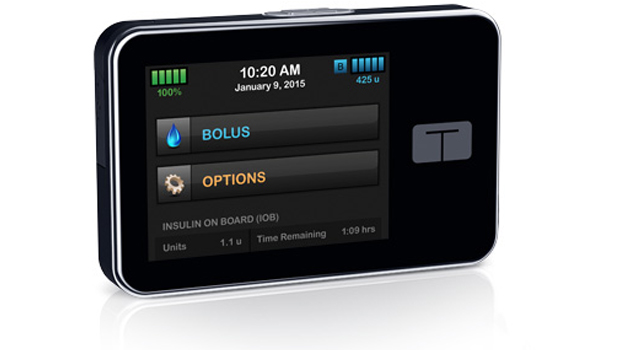
Automated insulin delivery systems
-
Smart insulin pens
-
Mobile diabetes management apps
These technologies help patients make faster adjustments to food, exercise, and medications, which can significantly improve blood sugar control.
Learn more by reading “Doctor with Diabetes Breaks Down How BGM and CGM Work Differently.”
Lifestyle Habits That Improve Diabetes Management
Medication and technology are important tools, but daily habits still play a critical role in diabetes care.
Healthy lifestyle choices can dramatically improve diabetes outcomes.
Key habits include:
Balanced Nutrition
Eating nutrient-dense foods and moderating carbohydrate intake can help maintain stable blood sugar levels.
Regular Physical Activity
Exercise improves insulin sensitivity and helps lower blood glucose levels.
Weight Management
Even modest weight loss can significantly improve blood sugar control in people with type 2 diabetes.
Stress Management
Stress hormones can increase blood sugar levels, making emotional health an important part of diabetes management.
Preventing Diabetes Complications
One of the most important goals of diabetes care is preventing diabetes complications.
Long-term high blood sugar can damage multiple organs and systems, including:
-
Eyes (diabetic retinopathy)
-
Kidneys (diabetic nephropathy)
-
Nerves (diabetic neuropathy)
-
Heart and blood vessels
However, research consistently shows that maintaining healthy blood sugar levels, managing blood pressure and cholesterol, and avoiding tobacco can significantly reduce these risks.
Early detection and regular screenings also play a critical role in preventing serious complications.
The Importance of Diabetes Education and Support
Living with diabetes can sometimes feel overwhelming. That’s why many healthcare professionals recommend a team-based approach to care.
This may include:
-
Physicians or endocrinologists
-
Certified diabetes educators
-
Registered dietitians
-
Mental health professionals
-
Fitness specialists
Education empowers patients with the knowledge and tools needed to manage their condition confidently.
A Future Full of Possibility
The landscape of diabetes care continues to evolve rapidly.
With new medications, innovative technologies, and stronger patient education programs, millions of people are learning how to manage diabetes more effectively.
Every positive step toward improving diabetes management—whether through better nutrition, physical activity, medication adherence, or monitoring—helps reduce the risk of complications and supports long-term health.
For people living with diabetes, the message is clear: progress is possible, and the tools to succeed are better than ever.
Read More on DiabetesHealth.com
If you’d like to learn more about diabetes management, explore these additional resources:
10 Things That Affect Blood Sugar Levels
Control the ABCs of Diabetes Plus A1C Chart
How to Lower Blood Sugar When It Goes Over 200 mg/dL
Continuous Glucose Monitoring Guide
Diabetes Word Puzzle Challenge
Test your knowledge of diabetes management by finding key terms from this article.
Download the printable puzzle below:
Diabetes Management Word Search Puzzle
Created by DiabetesHealth.com
Sources:
Centers for Disease Control and Prevention
National Diabetes Statistics Report
American Diabetes Association
Standards of Care in Diabetes
National Institute of Diabetes and Digestive and Kidney Diseases
Diabetes Overview
The post Diabetes Management: A Complete Guide to Blood Sugar Control first appeared on Diabetes Health.
The post Diabetes Management: A Complete Guide to Blood Sugar Control appeared first on Diabetes Health.
What's Your Reaction?
 Like
0
Like
0
 Dislike
0
Dislike
0
 Agree
0
Agree
0
 Disagree
0
Disagree
0
 Excellent
0
Excellent
0
 Useful
0
Useful
0
 Great
0
Great
0