

































































Best Foods for Eye Health and Vision Support


Key Takeaways
-
Nutrient-dense, antioxidant-rich foods for eye health help support retinal function and protect against oxidative stress.
-
Vitamins A, C, and E, along with zinc and Omega-3-rich fats, play important roles in vision support.
-
A balanced, whole-food diet combined with healthy lifestyle habits promotes long-term eye wellness.
Your eyes work continuously from the moment you wake up until you fall asleep. Whether you are reading, driving, scrolling on a screen, or spending time outdoors, your visual system relies on proper nutrition and cellular support to function efficiently. That’s why prioritizing foods for eye health is an important part of overall wellness.
Vision changes can occur naturally with age, and modern habits, such as extended screen time, may contribute to digital eye strain. While no single food can guarantee perfect vision, a nutrient-dense diet provides the building blocks your eyes need to maintain healthy structure and function.
In this guide, you will learn which vitamins, minerals, and antioxidants are most important for vision support and which whole-food sources provide them. By understanding how nutrition supports eye health , you can take proactive steps toward long-term vision care.
Why Nutrition Matters for Eye Health
Your eyes are highly metabolically active tissues. The retina, in particular, requires consistent oxygen delivery and antioxidant protection because it is exposed to light and vulnerable to oxidative stress. Oxidative stress occurs when unstable molecules called free radicals accumulate and damage cells.
Antioxidant-rich foods for eye health help neutralize these molecules and support healthy tissue function. In addition, specific nutrients contribute to the maintenance of the cornea, retina, and optic nerve.
A balanced, whole-food diet that includes a variety of colorful fruits, vegetables, healthy fats, and high-quality protein sources helps create a strong nutritional foundation for your visual system .
Vitamin A-Rich Foods for Vision Support
Vitamin A plays a central role in maintaining normal vision , particularly in low-light conditions. It supports the production of rhodopsin, a protein in the retina that helps you see in dim light.
Top Foods for Vitamin A
-
Sweet potatoes
-
Carrots
-
Spinach
-
Kale
-
Butternut squash
These orange and dark leafy-green vegetables contain beta-carotene, a plant-based compound that your body converts into vitamin A. Including beta-carotene-rich foods for eye health in your weekly meal plan supports normal visual function and immune health.
Lutein and Zeaxanthin for Retinal Protection
Lutein and zeaxanthin are carotenoids found in high concentrations in the retina. They help filter blue light and support the macula, the area responsible for central vision.
Foods High in Lutein and Zeaxanthin
-
Kale
-
Spinach
-
Collard greens
-
Broccoli
-
Peas
-
Eggs
These nutrients act as antioxidant-protective compounds in eye tissue. Including leafy-green vegetables and egg yolks in your diet may help support long-term visual wellness.
Omega-3-Rich Foods for Eye Comfort
Omega-3 fatty acids, particularly DHA, are important structural components of retinal cell membranes. Adequate intake supports eye moisture balance and overall visual comfort.
Best Omega-3 Sources
-
Salmon
-
Sardines
-
Mackerel
-
Chia seeds
-
Flaxseed
-
Walnuts
Incorporating Omega-3-rich foods for eye health into your diet two to three times per week can support retinal integrity and whole-body wellness.
Vitamin C and E for Antioxidant Support
Vitamin C and vitamin E help protect eye cells from oxidative damage. These antioxidant-packed nutrients support tissue health and immune function.
Vitamin C Sources
-
Oranges
-
Strawberries
-
Bell peppers
-
Kiwi
-
Broccoli
Vitamin E Sources
-
Almonds
-
Sunflower seeds
-
Hazelnuts
-
Avocado
Combining vitamin-C-rich fruits with vitamin-E-containing nuts or seeds creates a balanced snack that supports antioxidant defense.
Zinc and Trace Minerals for Visual Function
Zinc helps transport vitamin A from the liver to the retina and supports normal immune function. Without adequate zinc intake, visual performance may be affected.
Zinc-Rich Foods
-
Oysters

-
Beef
-
Pumpkin seeds
-
Lentils
-
Chickpeas
Trace minerals such as selenium and copper also contribute to antioxidant enzyme systems that protect eye tissue.
Phytonutrients and Color-Coded Foods for Eye Health
When discussing foods for eye health , it is helpful to look beyond individual vitamins and consider phytonutrients. Phytonutrients are naturally occurring plant compounds that give fruits and vegetables their vibrant colors.
Many of these compounds provide antioxidant support and help protect eye tissue from oxidative stress caused by light exposure and normal metabolic activity. Eating a variety of color-rich, plant-based foods ensures you are getting a broad spectrum of eye-supportive compounds.
Color Guide to Eye-Supportive Nutrients
Orange and Yellow Foods
-
Examples: Carrots, sweet potatoes, mango, yellow bell peppers
-
Key nutrients: Beta-carotene and other carotenoids
-
How they help: Support normal vision and retinal function
Dark Leafy-Green Foods
-
Examples: Spinach, kale, collard greens
-
Key nutrients: Lutein and zeaxanthin
-
How they help: Support macular health and help filter blue light
Red Foods
-
Examples: Tomatoes, watermelon, red grapefruit
-
Key nutrients: Lycopene
-
How they help: Provide antioxidant protection for eye tissues
Blue and Purple Foods
-
Examples: Blueberries, blackberries, purple cabbage
-
Key nutrients: Anthocyanins
-
How they help: Support circulation and capillary integrity in eye tissue
White and Allium Vegetables
-
Examples: Garlic, onions
-
Key nutrients: Sulfur-containing compounds
-
How they help: Support overall cellular defense systems
Building meals around this color-coded approach strengthens your overall intake of foods for eye health while also supporting whole-body wellness. Rather than focusing on one “superfood,” aim for a diverse, plant-forward plate that delivers a wide range of phytonutrient benefits.
Hydration and Eye Wellness
Although often overlooked, hydration plays an important role in eye comfort. Adequate water intake supports tear production and may help reduce dryness, particularly in dry environments.
Aim to drink water consistently throughout the day and limit excessive intake of dehydrating beverages.
Supporting Eye Health With Comprehensive Nutrition
While focusing on specific foods for eye health is helpful, overall dietary patterns matter most. Choose a Mediterranean-style, plant-forward eating approach that emphasizes:
-
Colorful vegetables
-
Whole grains
-
Lean protein
-
Healthy fats
-
Minimal highly-processed foods
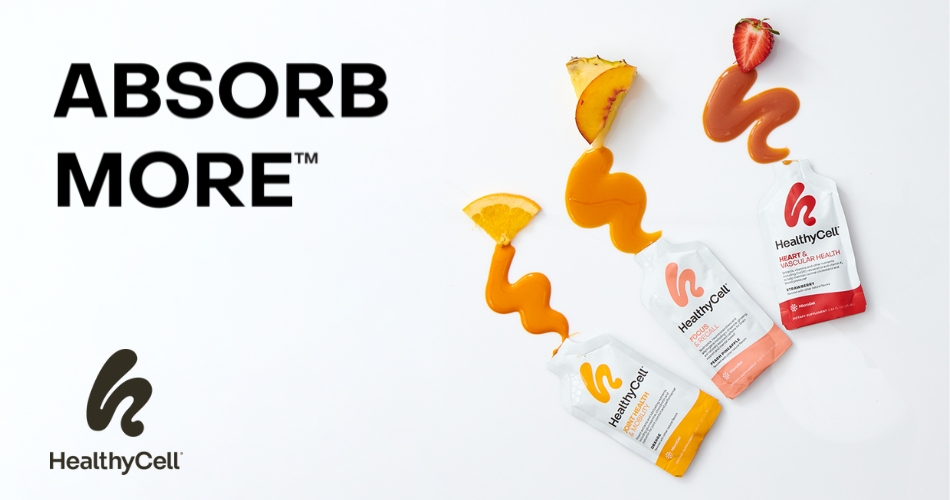
If dietary intake is inconsistent, a high-quality multivitamin may help fill nutritional gaps. HealthyCell’s Eye Health supplement is designed to support your eye health at the cellular level with a potent combination of plant extracts, carotenoids, anthocyanins, antioxidants, and other vision-supporting vitamins in a citrusy blood orange flavored MicroGel™.
Lifestyle Habits That Complement Eye-Friendly Foods
Nutrition works best when combined with healthy daily behaviors that support visual comfort, neurological function, and long-term eye tissue protection.
Protect Your Eyes From Excessive Screen Exposure
Follow the 20-20-20 rule by looking 20 feet away every 20 minutes to reduce digital eye strain and support natural focusing muscle relaxation during extended computer or smartphone use.
Wear UV-Protective Sunglasses
Choose sunglasses labeled with 100 percent UV protection when outdoors to help reduce long-term ultraviolet exposure that may contribute to oxidative stress and cumulative eye tissue damage.
Schedule Regular Eye Exams
Routine eye examinations help detect early vision changes, measure prescription accuracy, and monitor eye health markers that may not produce noticeable symptoms during the early stages.
Prioritize Sleep
Quality sleep allows your eyes and brain to recover from daily visual workload. Aim for consistent bedtime routines that support circadian rhythm balance and cellular repair processes overnight.
Frequently Asked Questions
What are the best foods for eye health?
Leafy-green vegetables, fatty fish, citrus fruits, nuts, seeds, and colorful vegetables provide vitamins, minerals, and antioxidants that support normal vision and help protect eye tissue from oxidative stress over time.
Can food improve eyesight?
Foods for eye health support normal visual function, retinal health, and cellular protection, but they do not reverse existing structural vision problems or eliminate the need for corrective lenses when prescribed.
How often should I eat fish for eye health?
Consuming Omega-3-rich fish two to three times per week supports retinal structure, tear production, and overall cardiovascular wellness, which helps maintain healthy circulation to the eyes.
Does screen time affect eye health?
Extended screen use may contribute to digital eye strain, dryness, and temporary discomfort. Practicing regular screen breaks, optimizing lighting, and maintaining proper viewing distance can help support visual comfort.
Conclusion
Prioritizing foods for eye health is a proactive way to support your vision at every stage of life. Nutrients such as vitamin A, lutein, zeaxanthin, Omega-3 fatty acids, vitamin C, vitamin E, and zinc all contribute to maintaining healthy eye structure and protecting against oxidative stress.
By building balanced, antioxidant-rich meals that include leafy-green vegetables, colorful produce, fatty fish, nuts, and seeds, you provide your eyes with the nutritional support they need. When combined with healthy screen habits, UV protection, regular eye exams, consistent hydration, and high-quality eye health supplements to help fill potential nutrient gaps, these strategies promote long-term visual wellness.
Taking small, sustainable steps today can help you support clearer vision and eye comfort for years to come.
Sources:
36 Fabulous Foods to Boost Eye Health | American Academy of Ophthalmology
Nutrition and Eye Health | Johns Hopkins Medicine
7 Best Foods for Healthy Eyes | UnitedHealthcare
What's Your Reaction?
 Like
0
Like
0
 Dislike
0
Dislike
0
 Agree
0
Agree
0
 Disagree
0
Disagree
0
 Excellent
0
Excellent
0
 Useful
0
Useful
0
 Great
0
Great
0