

















































%20and%20Batch%20Production%20Records%20(BPR).png)
















Sivelestat may Reduce ARDS and Mortality After Cardiovascular Surgery: JAMA
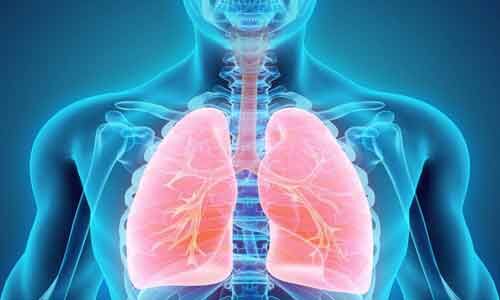
A new study published in the Journal of the American Medical Association revealed that the patients undergoing cardiovascular surgery that sivelestat significantly reduced the incidence of acute respiratory distress syndrome (ARDS) and 90-day all-cause mortality. The drug attenuated neutrophil-driven inflammation by suppressing neutrophil elastase and lowering downstream inflammatory biomarkers, suggesting it may be a potential pharmacologic option to prevent ARDS in cardiovascular procedures.
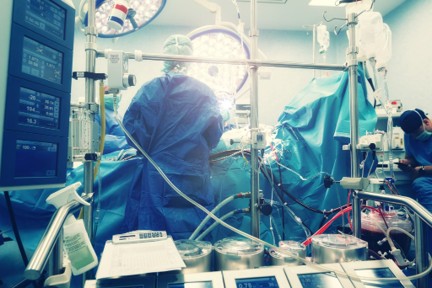
ARDS remains one of the most serious complications following heart and vascular surgeries, which contributes to prolonged intensive care stays and higher mortality rates. This study evaluated whether sivelestat could help prevent this complication. This research at a tertiary academic medical center in China enrolled 424 patients scheduled for major cardiovascular procedures from February 2024 to April 2025, with participants followed for 90 days after surgery.
The surgeries included a wide range of complex procedures like coronary artery bypass grafting, valve replacement or repair, ascending aortic reconstruction, congenital heart defect correction, combined cardiac procedures, and removal of cardiac tumors. Patients were randomly assigned to receive either continuous intravenous sivelestat or a placebo solution after arriving in the intensive care unit (ICU) following surgery.
Those in the treatment group received sivelestat at a dose of 0.2 milligrams per kilogram per hour, administered continuously for up to 7 days or until discharge from the ICU. The control group received a volume-matched saline placebo following the same schedule.
Of the 424 participants, 382 completed the study, with an average age of nearly 63 years and about 55% male. The results showed a substantial reduction in ARDS cases among patients who received sivelestat. Only 16.8% of patients in the treatment group developed ARDS compared with 31.2% in the placebo group.
The results also found that 90-day mortality rates were lower among patients treated with sivelestat. Just 1.1% of patients in the treatment group died within 3 months after surgery, when compared to 5.2% of those who received the placebo.
Levels of neutrophil elastase, interleukin-6, and other inflammatory markers were significantly lower in patients treated with sivelestat, which suggests that the drug effectively dampens the inflammatory processes that contribute to ARDS. Overall, these results provide evidence that targeting neutrophil-driven inflammation could improve outcomes for patients undergoing high-risk heart surgeries.
Source:
Pan, T., Xu, C., Wang, Y.-P., Wang, H.-L., Su, W.-X., Zhang, H.-T., Zhu, E.-J., Li, Y.-T., Lv, Z.-K., Zhu, T.-T., Xu, Z.-W., Gao, Y., Xu, C.-Z., Shi, J., Ji, W.-J., Duan, Z.-H., Zhang, C., Xu, Z.-J., Li, K.-S., … Wang, Q. (2026). Sivelestat and incidence of acute respiratory distress syndrome after cardiovascular surgery: A randomized clinical trial. JAMA Network Open, 9(3), e260390. https://doi.org/10.1001/jamanetworkopen.2026.0390
Apa Reaksi Anda?
 Suka
0
Suka
0
 Kurang Suka
0
Kurang Suka
0
 Setuju
0
Setuju
0
 Tidak Setuju
0
Tidak Setuju
0
 Bagus
0
Bagus
0
 Berguna
0
Berguna
0
 Hebat
0
Hebat
0