







































%20and%20Batch%20Production%20Records%20(BPR).png)












Health education: The clinical intervention for long-term health
Raymond Nanda, MD
Life-changing medical advice does not always begin with a diagnosis or a prescription. Often, it begins with a conversation, one that helps patients understand what is driving their health and empowers them to ask critical questions to build healthier, more sustainable habits. That’s why I believe one of the most effective interventions in a physician’s toolbox is also one of the least conspicuous: weaving in health education as an active part of the visit.
Studies have found that when patients understand their health, the factors shaping it, and how their physician’s recommendations can improve it, they are better equipped to make informed decisions and more confident in their ability to succeed. This is especially powerful when physicians and patients build a care plan together that makes the diagnosis, recommendation, and next steps clear and actionable.
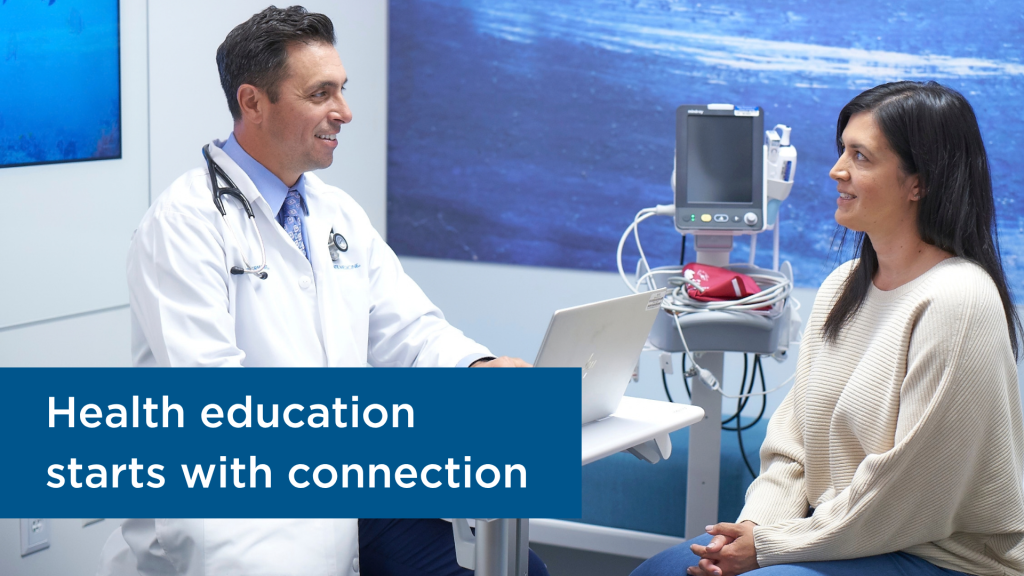
Health education starts with connection
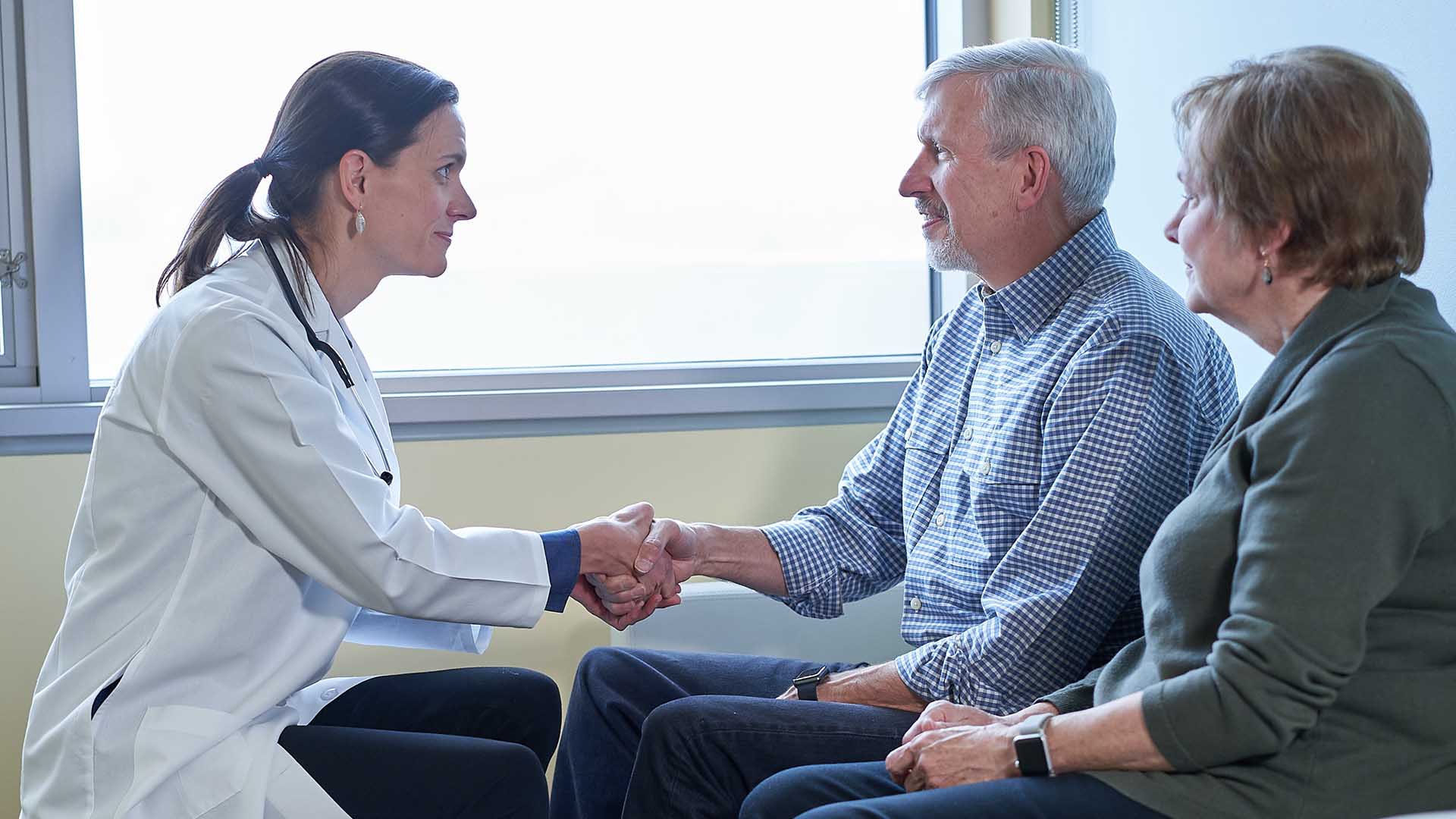
Physicians may be experts on medicine, but patients are experts on themselves. Building trusting relationships creates space for patients to share the behaviors and habits that shape their health, even when it’s deeply personal information. Once this connection is established, it becomes my job to offer educational pathways that patients can act on and apply.
Related health education podcast: How patient education drives lasting behavior change
I have seen the power of that connection firsthand in caring for a patient I’ll call Rosa. Rosa cleaned hotel rooms by day and helped her two children with homework at night. Her blood sugar level had climbed to 10.2, and when money was tight, she stretched her medication. Although well-meaning doctors had warned her about amputations and blindness, those warnings only left her feeling ashamed rather than empowered. When we met, I asked a different question: What mattered most to her? “My kids,” she said. “I want to see them graduate.” Together, we built a plan around her own ideas. Our Spanish-language diabetes self-management workshop gave her practical support. A health educator taught her how to plan affordable meals, a pharmacist simplified her medication regimen, and a care navigator connected her with food assistance and a medication savings program. 6 months later, her blood sugar level was 7.1. Now Rosa walks with her children after dinner. “They watch everything I do,” she says. “Now they see me taking care of myself.”
The patient-physician partnership
At Kaiser Permanente, I lead the Center for Healthy Living, a dedicated resource in Southern California specializing in evidence-based lifestyle and health behavior change programs and services. We rely on the “5 As” framework to develop and steward trusting patient-physician relationships while addressing critical health issues. This communication model was originally developed to help patients quit smoking but can be used to shape the formation of any new healthy habit. We:
- Ask if we can discuss the issue
- Advise with our expertise
- Assess willingness to change
- Assist with goal-setting, in consultation with patients
- Arrange next steps
We always guide rather than dictate. We spend time creating care plans together; our goal is to offer the right resources for the right needs that meet people where they are.
Where technology fills in the gaps
Doctors have long been the primary providers of health education, but with easy access to online resources, it’s no surprise that patients are turning to other venues for answers. Artificial intelligence chatbots have quickly become a top option for patients seeking more knowledge of and control over their health. Recent studies have found that 3 in 10 Americans turn to social media or chatbots for health advice or health education.
With such a vast amount of often inconsistent health information out there, physicians must remain the trusted, primary source for our patients. And we use technology to help provide this expertise. At Kaiser Permanente, we have comprehensive electronic health records to give us a complete picture of our patients’ health history. Ambient scribes help write clinical notes, giving us the time for health education and partnership. Implementation of artificial intelligence in our online patient portal in Southern California also makes reaching physicians faster and easier, especially with urgent concerns.
Health education should be our first prescription
In an integrated, value-based care system, providing patient education is a priority. It’s an investment that pays dividends, and I see it work every day. Positive lifestyle changes are possible when we partner with patients but bringing healthy habits home and making them stick requires intentional effort. Patients need self-belief and motivation, while physicians need to provide education and answers to questions that fuel both. Health education isn’t an add-on to the next appointment — it’s an intervention in and of itself.
The post Health education: The clinical intervention for long-term health appeared first on Permanente Medicine.
Apa Reaksi Anda?
 Suka
0
Suka
0
 Kurang Suka
0
Kurang Suka
0
 Setuju
0
Setuju
0
 Tidak Setuju
0
Tidak Setuju
0
 Bagus
0
Bagus
0
 Berguna
0
Berguna
0
 Hebat
0
Hebat
0