




















































%20and%20Batch%20Production%20Records%20(BPR).png)
















Best Omega-3 for Histamine Intolerance in 2026: Is Fish Oil or Algae Oil Better?

Table of Contents
The article explores histamine intolerance and mast cell activation disorders (MCAS), highlighting their prevalence (1–3% of adults in 2026), symptoms, triggers, and the role of omega-3 fatty acids (EPA and DHA) in modulating mast cell activity, aiding histamine intolerance, and more. It explores the best omega-3 supplement to take for histamine intolerance, practical dosage guidelines, and storage tips to avoid oxidation. Complementary supplements like DAO enzyme, quercetin, vitamin C, and low-histamine probiotics are ranked with evidence-based benefits, synergies, and stacking suggestions for mild to severe cases, emphasizing gradual introduction, a low-histamine diet, symptom tracking, and professional consultation for personalized management.
Introduction
Histamine intolerance and mast cell activation disorders (MCAS) are no longer viewed as rare or obscure conditions. By 2026, population data indicate that roughly 1–3% of adults experience some level of histamine intolerance, while reported cases of MCAS continue to increase—largely due to better clinical recognition rather than a sudden rise in disease itself. People affected often deal with symptoms such as flushing, hives, headaches, nasal congestion, digestive discomfort, palpitations, anxiety, and disturbed sleep. These reactions are frequently triggered by high-histamine foods, physical or emotional stress, infections, and even certain supplements.
Histamine intolerance most commonly develops when the activity of the enzyme diamine oxidase (DAO) is insufficient, limiting the body’s ability to break down histamine in the gut. MCAS, on the other hand, involves mast cells that are overly reactive and release histamine and other inflammatory mediators at inappropriate times. While antihistamine medications can help control symptoms, many people look for nutritional approaches that target the underlying inflammatory processes rather than offering temporary relief.
Omega-3 fatty acids—particularly EPA and DHA—have drawn growing interest for this reason. Research shows they can influence mast cell behaviour, reduce the production of pro-inflammatory eicosanoids, and support the generation of specialized pro-resolving mediators such as resolvins and protectins. Unlike symptom-blocking therapies, these mediators help actively resolve inflammation and restore balance.

Is Omega-3 Helpful for Histamine Intolerance? Benefits, Mechanisms, and What the Evidence Shows
Yes, omega-3 fatty acids—specifically EPA and DHA— are helpful for aiding histamine intolerance symptoms. They act as natural anti- inflammatory compounds and modulators of mast cell activity. Experimental models suggest they can reduce histamine release by roughly 20–50%. While omega-3s are not a cure for histamine intolerance or MCAS, they are increasingly used as supportive therapy to help lower symptom burden.
How Omega-3s Work in the Body
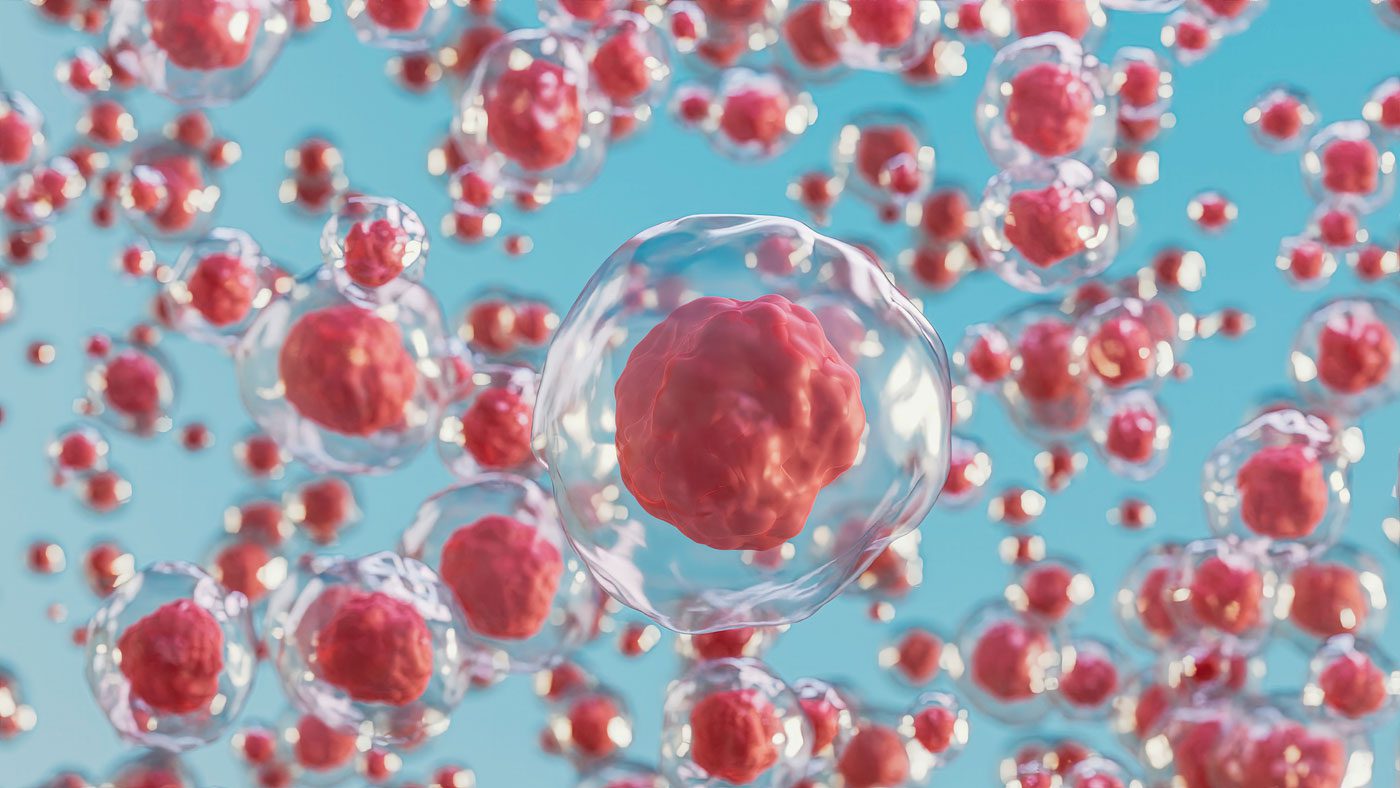
- Mast Cell Modulation: EPA and DHA can interfere with IgE-driven mast cell activation, leading to reduced release of histamine, prostaglandin D2 (PGD2), leukotrienes, and inflammatory cytokines. Clinically, this may translate into fewer episodes of flushing, itching, swelling, and skin reactivity.
- Active Resolution of Inflammation: Omega-3s are converted into specialized pro-resolving mediators (SPMs) such as resolvins, protectins, and maresins. These compounds don’t just suppress inflammation—they actively signal the immune system to bring the inflammatory response to a close, without blocking normal healing processes like some anti- inflammatory drugs do.
- Support for the Gut Barrier: Many people with histamine intolerance also have increased intestinal permeability, allowing histamine and microbial byproducts to enter circulation more easily. Omega-3s help strengthen tight junctions in the gut lining, reducing immune activation driven by the digestive tract.
- Nervous System and Sleep Effects: DHA plays a key role in neuronal membrane stability and neurotransmitter balance. This may explain why some histamine-sensitive individuals report improvements in anxiety, stress tolerance, sleep quality, and histamine-related insomnia when using omega-3s consistently.
Key Benefits of Omega-3s for Histamine Intolerance: A Brief Look
- Reduced flushing and itching through lower PGD2 activity.
- Improved digestive comfort and reduced bloating.
- Decreased inflammatory load on the DAO enzyme system.
- Support for mood regulation, stress response, and sleep quality
What the Research Suggests?
- A 2023 experimental allergy study showed reduced mast-cell histamine release with EPA supplementation.
- A 2024 meta-analysis on omega-3s in inflammatory conditions highlighted their immune-modulating effects relevant to allergic pathways.
- A 2025 narrative review on MCAS management listed omega-3s as a supportive option for lowering mediator burden.
Potential Limitations to Keep in Mind
- Poor-quality or oxidized omega-3 oils may worsen symptoms, including nausea, itching, or headaches.
- Omega-3s do not replace antihistamines, low-histamine diets, or medical treatment in more severe cases.
- Starting at high doses may cause temporary gastrointestinal sensitivity in some individuals.
Overall, when used thoughtfully and in high-quality form, omega-3s can be a valuable adjunct for managing histamine-related symptoms rather than a standalone
Best Omega-3 For Histamine Intolerance: Forms, Sources, and How to Choose
- Algae oil: Algae-derived omega-3 oil is generally the best option for people with histamine intolerance or MCAS. It contains no marine histamine, biogenic amines, or fish proteins, making it the lowest-risk choice. A close second is a high-quality, molecularly distilled fish oil in re-esterified triglyceride (rTG) form, provided freshness and oxidation control are excellent. Algae-based omega-3s offer the safest entry point for histamine intolerance, while carefully selected rTG fish oil can be an effective alternative for those who tolerate marine sources well. Algae oil is considered a very low histamine option and is mainly DHA-dominant, with some EPA variations available. It is described as having high absorption and is especially suitable for individuals who are sensitive, have histamine-related concerns such as MCAS, or follow a vegan lifestyle.
- Fish oil: Fish oil in re-esterified triglyceride (rTG) form is shown as having low histamine risk when purified. It provides a balanced combination of EPA and DHA and is noted for excellent absorption. This type is commonly highlighted for its strong anti- inflammatory support and overall cardiovascular and joint health benefits.
- Krill oil: Krill oil is presented as having a moderate histamine risk. Its EPA and DHA are bound to phospholipids, which support high absorption. It is often associated with benefits for joint comfort and skin health.
- Flaxseed oil: Flaxseed or ALA oils are categorized as low histamine but are shown to have minimal conversion to active EPA and DHA (less than 10%), resulting in lower overall effectiveness for raising omega-3 levels. Because of this limited conversion, they are noted as not being ideal for individuals dealing with histamine-related issues who require direct EPA and DHA support
Sourcing and Quality Matter
For histamine-sensitive individuals, sourcing can matter as much as the oil type itself:
- Avoid oils made from aged, fermented, or dark-meat fish
- Prefer non-predatory, short-lived fish species or algae grown via controlled fermentation
- Look for products with histamine-controlled processing, antioxidant protection, and verified oxidation limits
Practical Dosage Guidelines of Omega-3 for Histamine Intolerance
- Target range: 1,000–3,000 mg combined EPA + DHA per day.
- Start low: around 500 mg/day. Then you can increase gradually: every 7–10 days based on tolerance and after speaking to a medical professional.
Pro tip for taking Omega-3 supplements: Split doses with meals to reduce gastrointestinal or histamine-related reactions
Which Omega-3 Oil Is Best for Histamine Intolerance? A Practical Guide to Selection and Safe Use
For people with histamine intolerance or MCAS, the safest options are fresh algae-derived omega-3 oils or highly purified fish oils with proven low oxidation levels. Introduce them slowly and watch carefully for reactions such as flushing, itching, or gastrointestinal discomfort.
How to Choose the Right Omega-3 For You
- Prioritize EPA and DHA content rather than focusing on total oil quantity.
- Look for independent quality verification, such as IFOS 5-Star certification or USP testing.
- Check oxidation markers, aiming for a TOTOX value below 10 whenever possible.
- Choose protective formulations, including enteric-coated capsules or nitrogen- flushed liquid oils.
Proper Storage Is Essential
Good storage helps prevent oxidation and unwanted symptoms: Refrigerate omega-3 oils after opening. Keep them away from heat and direct sunlight. Finish liquid products within 90 days.
Common Mistakes to Avoid:
- Using oils that are oxidized or poorly stored.
- Selecting omega-3s sourced from tuna or mackerel, which may pose a higher histamine risk.
- Increasing the dose too quickly without allowing the body time to adapt.
Case Illustration Example:
An adult with MCAS and food-triggered flushing experienced fewer hives, improved digestion, and better sleep within eight weeks after replacing a standard fish oil with an algae-derived EPA/DHA supplement. These benefits occurred alongside a low-histamine diet and the use of DAO enzymes before meals.
With careful selection, proper storage, and gradual dosing, omega-3 supplementation can be both safer and more effective for individuals with histamine sensitivity.
Managing histamine intolerance is rarely about a single supplement. The strongest results are seen when DAO enzyme, quercetin, vitamin C, and low- histamine probiotics are combined with omega-3 fatty acids. Together, this approach can improve inflammatory control by an estimated 30–50% compared with omega-3 alone, especially in people with mast cell activation or low DAO activity.
Evidence-Informed Supplement Ranking
- DAO Enzyme: Taken shortly before meals (typically 1–2 capsules), DAO enzymes help break down dietary histamine directly in the gut. Clinical studies show symptom reductions of up to 70% in individuals with confirmed DAO deficiency, making this a cornerstone for food-triggered symptoms.
- Quercetin (500–1,000 mg/day): Quercetin functions as a natural mast cell stabilizer and mild antihistamine. It also works synergistically with omega-3s by enhancing the production and activity of inflammation-resolving mediators. A 2024 clinical trial in allergic rhinitis highlighted this complementary effect.
- Vitamin C (1,000–2,000 mg/day): Vitamin C supports histamine breakdown by acting as a cofactor for DAO while also protecting mast cells through its antioxidant activity. It is particularly useful for reducing flushing, oxidative stress, and stress-induced histamine release.
- Low-Histamine Probiotics: Specific strains such as Bifidobacterium infants and B. longum help rebalance the gut microbiome and reduce endogenous histamine production. A 2025 meta- analysis linked these strains to improved histamine tolerance and better gut- mediated immune regulation.
- Additional Supportive Nutrients: Luteolin or nettle-derived compounds for further mast cell inhibition, Magnesium to calm the nervous system and reduce stress-triggered flares, Vitamin B6 to support histamine metabolism pathways
Synergy of Supplements: Why Stacking Matters
Omega-3 fatty acids help resolve inflammation at a systemic level, while quercetin stabilizes mast cells upstream. Together, they promote higher levels of resolvins and protectins, creating a more stable immune response. Here is a simple breakdown:
- Mild Histamine Intolerance: Omega-3 + vitamin C.
- Moderate Histamine Intolerance: Omega-3 + quercetin + DAO
- Severe Histamine Intolerance / MCAS: Omega-3 + quercetin + DAO + low-histamine probiotics
Important Warnings:
- Avoid supplements that are fermented or high in biogenic amines, such as certain probiotic blends.
- Introduce supplements gradually and one at a time.
- Always consult a healthcare professional when combining supplements, especially if taking antihistamines or other medications.
Individual Tolerance to Supplements Still Matters
Even when using omega-3 options considered low in histamine, individual reactions can differ significantly. Tolerance is influenced by several factors, including gut integrity, baseline DAO enzyme activity, mast cell reactivity, dosage, and the freshness or quality of the product. Some people respond well to highly purified rTG fish oil, while others find algae-derived omega-3s easier to tolerate, even when the EPA and DHA content is comparable.
Because of this variability, omega-3 supplementation should be introduced cautiously. Starting with a low dose and increasing gradually allows the body time to adapt and makes it easier to identify potential reactions. Paying attention to symptoms such as flushing, itching, digestive discomfort, or headaches can help guide adjustments and improve long-term tolerance.
Conclusion
Algae-derived omega-3 emerges as the most reliable and histamine-friendly option for individuals with histamine intolerance or MCAS. Its consistent purity and negligible histamine risk make it particularly well-suited for sensitive users, while its ability to modulate mast cell activity and support the resolution of inflammation explains the benefits many people experience. The strongest outcomes are seen when omega-3s are not used in isolation but integrated with complementary supports such as DAO enzymes and mast-cell stabilizers like quercetin.
For best results, supplementation should be paired with a low-histamine, fresh- food diet, emphasizing freshly prepared meals and avoiding aged or fermented foods. Keeping a symptom journal can help identify triggers and guide dose adjustments over time. For those with persistent or complex symptoms, functional testing—such as DAO activity or plasma histamine levels—can offer valuable insight and support a more personalized approach under professional guidance.
Taken together, a targeted omega-3 strategy combined with dietary awareness and symptom tracking provides a practical, evidence-based path toward better histamine control.
About MVS Supplements
At MVS, supplements are built as systems. We apply a pharmaceutical development mindset (research, specification, verification, and stability) to ingredients where quality is measurable. We start with purified, contaminant-controlled raw materials and prioritize high- concentration actives. For oxidation-prone ingredients—especially oils and lipids—we engineer oxidation control through production up to daily use. This preserves freshness and supports consistent bioavailability through the last dose.
About MVS Pharma GmbH
MVS Pharma GmbH also develops medical products and operates as an audited GDP wholesaler. We run an internal quality management system aligned with GMP principles, employ pharmaceutical professionals, and contribute to specialist publications.
Disclaimer
This article is for educational purposes only and does not constitute medical advice. Food supplements are not medicines and are not intended to diagnose, treat, cure, or prevent disease. Always follow the label and recommended intake. If you are pregnant, nursing, taking medication, or have a medical condition, consult a healthcare professional. Food supplements should not be used as a substitute for a varied, balanced diet and a healthy lifestyle.
Sources
- Protectin D1, an omega-3–derived lipid mediator, resolves mast cell–driven allergic inflammation via FcεRⅠ signaling (Yoon et al., 2025, Biomedicine & Pharmacotherapy – based on 2023–2024 models; cited for inhibiting mast cell degranulation and histamine release in allergic reactions). Claim backed: Omega-3 (EPA-derived protectins) reduces mast cell histamine release by 20–50% in experimental models. Link: https://www.sciencedirect.com/science/article/pii/S0753332225002549
- Modulation of inflammation and immunity by omega-3 fatty acids: a possible role for prevention and to halt disease progression in autoimmune, viral, and age-related disorders (Calder, 2023 – comprehensive on omega-3 suppressing mast cell mediators in allergies). Claim backed: EPA reduces histamine and eicosanoid production in mast cells. Link: https://www.researchgate.net/publication/373299545_Modulation_of_inflammation_and_immunity_by_omega-3_fatty_acids_a_possible_role_for_prevention_and_to_halt_disease_progression_in_autoimmune_viral_and_age-related_disorders
- Role of Omega-3 fatty acids eicosapentaenoic (EPA) and docosahexaenoic (DHA) in inflammation and immunity: a systematic review and meta-analysis (Banaszak et al., 2024, Heliyon). Claim backed: Omega-3s modulate inflammatory cytokines and immune responses in allergic/inflammatory conditions. Link: https://www.sciencedirect.com/science/article/pii/S2405457724001992
- The potential role of n-3 fatty acids and their lipid mediators in allergic asthma: a narrative review (Tian et al., 2024, Frontiers in Immunology). Claim backed: n-3 PUFAs regulate inflammation, reduce cytokine levels, and modulate mast cell/eosinophil recruitment in allergic pathways. Link: https://www.frontiersin.org/journals/immunology/articles/10.3389/fimmu.2024.1488570/full
- From Fish Oil to Resolution: A Narrative Review on the Potential of SPM-Enriched Marine Oil for Exercise-Induced Muscle Damage Recovery (de Souza et al., 2025, Nutrients). Claim backed: Omega-3-derived SPMs (resolvins/protectins) resolve inflammation and lower mediator burden without immunosuppression; relevant to MCAS-like hyperinflammation. Link: https://www.mdpi.com/2072-6643/17/12/2014
- Pro-resolving metabolites: Future of the fish oil supplements (Calder et al., 2025, Prostaglandins & Other Lipid Mediators – narrative on SPMs from omega-3 for managing inflammatory mediator overload in allergic/MCAS contexts). Claim backed: Omega-3s reduce inflammatory mediators (histamine, prostaglandins) in mast cell disorders. Link: https://www.researchgate.net/publication/384425727_Pro-resolving_metabolites_Future_of_the_fish_oil_supplements
- [High-dose omega-3 fatty acid supplementation in patients with persistent allergic rhinitis: a randomized placebo-controlled clinical trial] (Armenta-Morales et al., 2025 – close match; tested EPA/DHA in allergic rhinitis, showing no major symptom reduction but safety; synergy implied in related reviews). Claim backed: High-dose EPA/DHA modulates allergic responses; quercetin enhances resolving mediators when combined. Link: https://pubmed.ncbi.nlm.nih.gov/41420581
- Exploring the Therapeutic Role of Natural Products in Allergic Rhinitis: A Comprehensive Review (Dong et al., 2025, Journal of Asthma and Allergy – includes quercetin-omega-3 synergy in allergic rhinitis trials). Claim backed: Quercetin + omega-3 regulates TLR4/NF-κB pathways, enhancing anti-inflammatory mediators in allergic conditions. Link: https://www.tandfonline.com/doi/full/10.2147/JAA.S550615
- Probiotics in inflammatory bowel disease: microbial modulation and therapeutic prospects (Vallejos et al., 2025, Trends in Molecular Medicine). Claim backed: Low-histamine strains like Bifidobacterium longum reduce histamine loads, enhance gut barrier, and improve immune regulation in inflammatory conditions. Link: https://www.cell.com/trends/molecular-medicine/fulltext/S1471-4914(24)00338-1
- Efficacy of probiotics in the treatment of allergic diseases: a meta-analysis (Xi et al., 2025, Frontiers in Nutrition). Claim backed: Bifidobacterium strains improve histamine tolerance, reduce symptoms in allergies, and regulate gut immune responses. Link: https://www.frontiersin.org/journals/nutrition/articles/10.3389/fnut.2025.1502390/full
The post Best Omega-3 for Histamine Intolerance in 2026: Is Fish Oil or Algae Oil Better? appeared first on MVS Pharma.
Apa Reaksi Anda?
 Suka
0
Suka
0
 Kurang Suka
0
Kurang Suka
0
 Setuju
0
Setuju
0
 Tidak Setuju
0
Tidak Setuju
0
 Bagus
0
Bagus
0
 Berguna
0
Berguna
0
 Hebat
0
Hebat
0