














































%20and%20Batch%20Production%20Records%20(BPR).png)
















The Ultimate 2026 Shelf Exam Guide: Step-by-Step Strategies for Every Rotation

This blog was originally published in October 2025 by Dylan Eiger and updated in April 2026 by Kala Frye Bourque.
NBME shelf exams have evolved. Today’s shelves are longer, more reasoning-focused, and often mirror Step 2 CK in style. They emphasize next-step management, guideline-based care, and outpatient medicine more than ever before. Whether you’re starting your first clerkship or heading into your last, mastering shelf strategy early will not only improve your rotation grades – it will set you up for Step 2 success.
At Elite Medical Prep, our tutors have worked with hundreds of students navigating these exact challenges. Below, we’ve compiled updated, high-yield strategies for each major shelf exam, reflecting the newest NBME trends and most effective study methods for 2026.
Universal Shelf Exam Strategies
Every rotation is different, but the habits that lead to consistent top scores are the same. Build these into your daily routine early:
- Questions First, Always
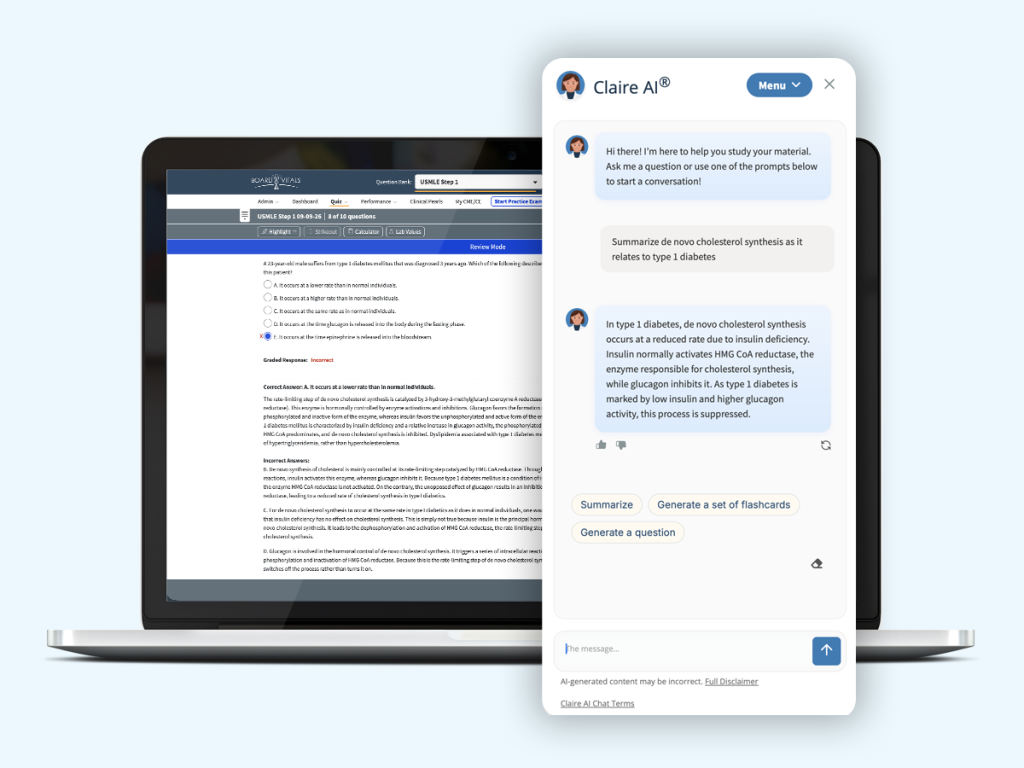
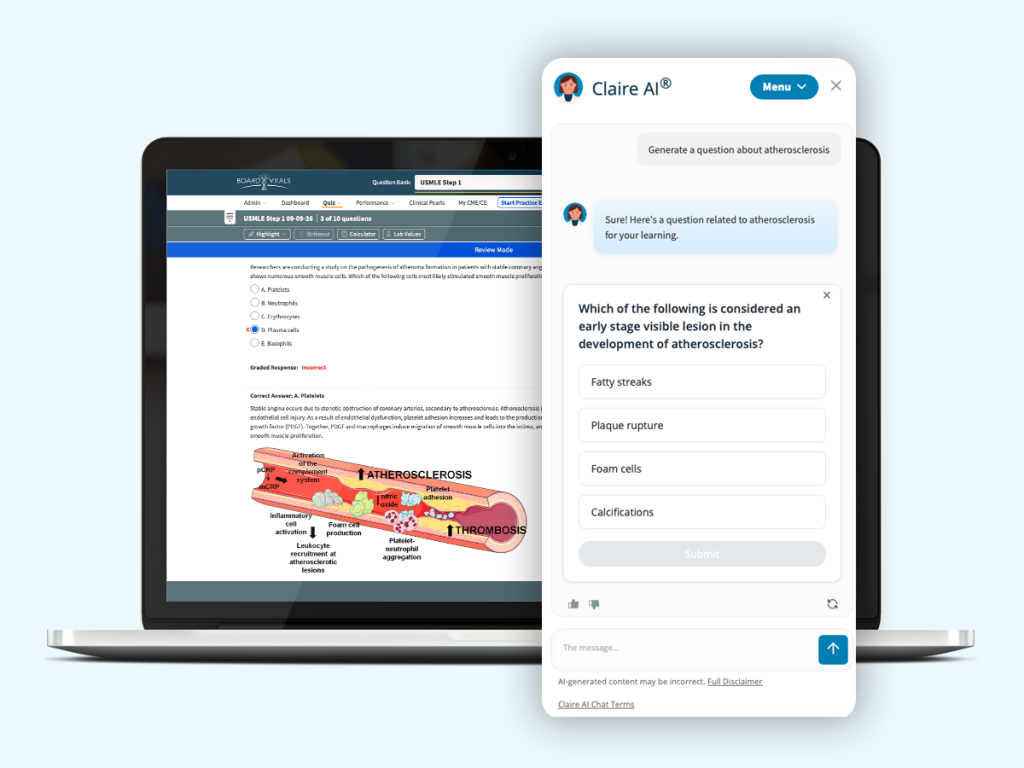
NBME shelves test clinical reasoning, not memorization. Your main prep should come from UWorld and AMBOSS, both of which now closely mirror NBME’s latest style of multi-step clinical vignettes. Treat every question as a mini-lesson – don’t just review why the right answer is correct, but why the wrong ones aren’t.
- Integrate Studying into Your Clinical Day
Make your patients your study partners. If you saw a child with bronchiolitis, review that topic the same night. This applied learning reinforces recall better than passive reading and keeps your studying clinically grounded.
- Stay Consistent
Ten to fifteen questions per day add up. It’s easier to study for 30 minutes daily than to cram for three days straight. Shelf prep is a marathon – steady effort wins.
- Practice Realistic Timing
NBME shelves demand stamina. Each exam runs 110 questions in 165 minutes – roughly 90 seconds per question. Regular timed blocks build endurance and pacing awareness.
- Use the Right Tools
- UWorld Step 2 CK – The gold standard for shelf prep. Focus on the rotation-specific blocks.
- AMBOSS – Excellent for quick lookups during rotations or when you want an alternate question style.
- NBME Self-Assessments – Closest predictor of shelf performance. Take one 1–2 weeks before the exam.
- Anki/Flashcards – Reinforce details you miss repeatedly.
- Case Files or OnlineMedEd – Ideal for quick conceptual refreshers.
Internal Medicine Shelf Exam: The Thinking Shelf
The internal medicine (IM) shelf is often considered the hardest shelf exam out there. It is extremely broad, covering everything from cardiology to infectious disease, and it rewards both depth and clinical reasoning.
Why it’s tough: Internal Medicine is the most comprehensive shelf and rewards clinical reasoning over recall. It’s also the foundation for Surgery, Family Medicine, and Step 2 CK.
Updated 2025 Insights: Recent NBME forms lean heavier on management sequences (next best step, diagnostic workups) and outpatient topics (hypertension, diabetes, lipid management). Expect fewer esoteric pathophysiology questions.
High-Yield Strategies:
- Focus on common inpatient and outpatient scenarios: chest pain, anemia, hyponatremia, and acute kidney injury.
- Review management algorithms for chest pain, shortness of breath, and fever.
- Track your missed UWorld topics and revisit them 3-4 days later.
Top Resources: UWorld IM, Step-Up to Medicine, NBME Self-Assessments, AMBOSS Articles.
Tutor Tip #1: Create a one-page “Next Step” chart for common conditions (ACS, pneumonia, DKA, COPD exacerbation). Review it the week before your shelf.
Tutor Tip #2: During your IM rotation, learn from your patients! It is much easier to remember a patient you treated rather than a UWorld/AMBOSS question. For every patient you encounter, think of all of the different topics that come to mind regarding their care. For example, if your patient has pneumonia, review the criteria for inpatient vs. outpatient therapy that night, the difference between community acquired and hospital acquired pneumonia, testing, follow up, etc. This practice will reinforce recall through real life experiences!
Surgery Shelf Exam: Medicine in a Surgical Mask
The funny thing about the surgery shelf exam, is that it really is not a “surgery exam.” About 75–80% of the questions are internal medicine-related – perioperative care, trauma resuscitation, fluids and electrolytes, and surgical complications. Therefore, it is often very challenging for students to balance studying with clinical care. You may stay up late learning the steps for a laparoscopic cholecystectomy; however, this is not going to be tested on the shelf examination. Rather, the indications and complications for a lap chole will. As you can see, there is A LOT of time and effort you will need to put into preparing for your surgery shelf, on top of balancing one of the busiest and most time consuming clinical rotations.
Why it’s tricky: The Surgery shelf is 70-80% Internal Medicine. Don’t waste hours memorizing instruments – focus on pre- and post-op care.
2025 Insights: Fluid resuscitation, trauma management, and complications dominate. Recent NBME updates emphasize postoperative infections and shock management over procedural detail.
High-Yield Strategies:
- Master the “Five W’s” of post-op fever.
- Review transfusion reactions, electrolyte disturbances, and trauma algorithms.
- Know initial management for burns, bowel obstructions, and surgical site infections.
Top Resources: UWorld Surgery + EM sections, Dr. Pestana’s Surgery Notes, NBME Forms.
Tutor Tip #1: Annotate Pestana’s Notes with UWorld pearls. It bridges rote memorization with practical reasoning.
Tutor Tip #2: As mentioned before, surgery overlaps heavily with IM, so reviewing Step-Up to Medicine chapters on GI and Cardiology can also boost your score as these two organ systems are tested heavily on Surgery.
Pediatrics Shelf Exam: Age, Milestones, and Management
Pediatrics, similar to IM, can feel overwhelming because it covers everything from neonatology to adolescent medicine. The scope of practice is extremely wide, and it takes place in a highly specific patient population (infants, children, and adolescents). Therefore, there is an added challenge of remembering normal developmental milestones and age-specific presentations. As most pediatricians say, “kids and not just little adults!”, this is very, very true and simply applying your IM knowledge to pediatrics will not suffice. Dive headfirst into learning about this specialty and treat it as its own, not just “IM in small adults”.
Why it’s unique: Peds questions test developmental reasoning, normal vs. abnormal, and safety.
2025 Insights: NBME has leaned into preventive care and developmental surveillance, expect vaccine schedules, screening, and anticipatory guidance.
High-Yield Strategies:
- Memorize growth and developmental milestones cold.
- Know vaccination schedules and contraindications.
- Review age-based vitals and common emergencies (bronchiolitis, epiglottitis, dehydration).
Top Resources: UWorld Peds, BRS Pediatrics (as reference), NBME Forms.
Tutor Tip #1: Create a “Milestone & Vaccine” flashcard deck and review daily. These are guaranteed questions and easy points.
Tutor Tip #2: Keep a milestone chart and vaccine schedule on your desk or in your Anki deck. Review it daily – it’s one of the highest yield memorization tasks you can do for this shelf and will get your easy points on test day! Also, make sure to get normal range for vital signs down early as this will make you move through practice questions faster.
Obstetrics & Gynecology Shelf Exam: Timing Is Everything
The OB-GYN shelf is tricky because it combines two disciplines. It is also a blend of both medicine and surgery. The key is mastering management algorithms – prenatal care, labor, postpartum complications, gynecologic malignancies, and contraception. Fortunately, the scope of practice is narrower than IM or pediatrics; however, the questions often will go a bit more in depth into each specific diagnosis.
Why it’s nuanced: OB/GYN blends medicine, surgery, and ethics. Timelines and screening algorithms are key.
2025 Insights: Prenatal screening, labor management, and contraception questions have increased. NBME now favors “What’s next?” management sequences over pure recall.
High-Yield Strategies:
- Know fetal heart rate patterns, labor stages, and shoulder dystocia steps.
- Learn prenatal screening timelines (first-trimester labs, 20-week anatomy scan, 28-week glucose test).
- Review gynecologic malignancy presentations and Pap/HPV guidelines.
Top Resources: UWorld OB/GYN, APGO uWISE questions, NBME Forms.
Tutor Tip #1: Build a simple trimester timeline chart. It’s the fastest way to lock down OB content.
Tutor Tip #2: Flashcards can be extremely helpful for prenatal care labs, fetal monitoring, and gynecologic screening – this can save you enormous time. These details are easy points if memorized in advance and will make it easier and faster to read through questions.
Psychiatry Shelf Exam: Pattern Recognition and Precision
Psychiatry tends to feel easier than others, but do not underestimate it. Many students lose points on subtle differentiations between specific conditions (e.g., schizoaffective vs. bipolar with psychotic features). The scope/depth of the psychiatry shelf is one of the most narrow you will encounter during your clinical year which does make preparing for this shelf exam easier than others. However, some students will put off studying until the end which ultimately is asking for trouble – like all shelf exams, start early and be thorough.
Why it’s deceptively simple: The shelf is narrow but detail-sensitive. Many students lose points distinguishing similar disorders.
2025 Insights: Expect longer, nuanced vignettes with integrated ethics or comorbidity components (e.g., medical causes of psychiatric symptoms).
High-Yield Strategies:
- Focus on diagnostic criteria and timeframes.
- Know first-line treatments and side effects (especially lithium, SSRIs, and antipsychotics).
- Memorize differentiators: schizoaffective vs. bipolar, PTSD vs. adjustment disorder.
Top Resources: UWorld Psych, NBME Forms, First Aid for Psychiatry.
Tutor Tip#1: Create comparison tables for look-alike disorders, these visual anchors save points on test day.
Tutor Tip #2: Timeline flashcards (acute stress disorder vs. PTSD, brief psychotic disorder vs. schizophrenia) are low-effort, high-yield. Make flashcards that highlight the differences between seemingly similar conditions or pharmacology questions.
Family Medicine Shelf Exam: The Integrator Shelf
Family medicine is a unique challenge because it is extremely broad and often overlaps/integrates components of every other clerkship, just in the outpatient setting. It integrates content from internal medicine, pediatrics, OB-GYN, and psych. Many students feel unprepared because it does not go deep into one specialty. Additionally, there is A LOT to memorize, specifically the screening guidelines and vaccination schedules.
Why it’s broad: FM is every specialty’s greatest hits, focused on prevention and outpatient care.
2025 Insights: Preventive medicine and chronic disease management now dominate. Many NBME forms feature multi-step questions mirroring clinic visits.
High-Yield Strategies:
- Memorize USPSTF screening recommendations (breast, cervical, colon, lung, diabetes, lipid).
- Know vaccination schedules for adults and children.
- Review common outpatient management: hypertension, diabetes, thyroid, asthma, depression.
Top Resources: UWorld FM, AAFP Questions (for advanced learners), NBME Forms.
Tutor Tip #1: Build a “Screening by Age” one-pager. You’ll reference it in both FM and IM shelves.
Tutor Tip #2: Think “primary care” mindset. If you are debating between ordering a test or offering counseling, the latter is often the NBME answer unless there is a red flag in the history or physical exam.
Neurology Shelf Exam: Localize, Then Manage
Not all schools require a neurology shelf, but where offered, it is one of the most challenging exams. It emphasizes localization of neurologic lesions, vascular syndromes, and acute management. Neurology rotations tend to be short (~4 weeks), so there is a lot to cram in in a short amount of time!
Why it’s challenging: Neurology requires synthesis – anatomy, localization, and acute management.
2025 Insights: The newest NBME neuro questions mirror real-life stroke and emergency scenarios, with emphasis on initial imaging and treatment choices.
High-Yield Strategies:
- Learn lesion localization patterns (cortex, brainstem, spinal cord).
- Know stroke syndromes and acute management protocols (tPA windows, blood pressure control).
- Review common chronic conditions (MS, Parkinson’s, dementia) and their treatments.
Top Resources: UWorld Neuro, Case Files Neurology, Clinical Neuroanatomy Made Ridiculously Simple.
Tutor Tip #1: Practice localization exercises – verbalize your reasoning out loud. It cements neuroanatomy faster than memorization.
Tutor Tip #2: In addition to localizing the lesion, there are some specific neurologic conditions that have pathognomonic presentations. Make a “neurologic syndromes” one-pager that highlights the classic presentations and lesion locations, and review it daily during the rotation. These questions show up often and are quite challenging.
High-Yield Cross-Rotation Resources
- UWorld Step 2 CK/AMBOSS QBank: The single most important resource for every shelf – you should aim to complete ALL questions before your shelf exam. This is non-negotioable for anyone who wants to “honors” a rotation.
- NBME Self-Assessments: Predictive and NBME-style. Always take at least one, but we recommend taking them all.
- OnlineMedEd: Best for those who like videos and are looking for a more comprehensive and clinically oriented presentation of the material
- Textbooks (First Aid, Case Files Series, Pretest): These are supplemental resources that can provide written reviews of the highest yield material (again, not comprehensive), or more practice questions if you finish UWorld or AMBOSS.
Timing and Scheduling Advice
During Each Rotation
- Aim for 10-15 UWorld/AMBOSS questions daily in the relevant subject (use the weekends to catch up if you are busy)
- Aim to finish all practice questions one to two weeks before your shelf exam
- Watch OnlineMedEd videos for upcoming patient encounters.
- Focus on patient care! Even though you need to ace your shelf, you went to medical school to become a doctor. The only way to learn how to do this is to do it in real life! Not through some written test.
Final Two Weeks: How to Peak on Test Day
- Take an NBME form under timed conditions. Use it to identify weak topics and pacing issues.
- Consolidate missed UWorld/AMBOSS concepts. Revisit your tagged questions.
- Memorize your charts: vaccines, screenings, and management algorithms.
- Rest and routine: Sleep and hydration improve recall more than last-minute cramming.
Common Mistakes to Avoid
- Leaving questions until the end. Shelf prep is cumulative. Daily questions beat cramming. Use your weekends to catch up if needed.
- Ignoring ambulatory/outpatient medicine. Shelf exams test preventive care heavily – although most of your clinical year will be inpatient, most health care in this country is delivered in the outpatient setting.
- Over-focusing on rare diseases. Bread-and-butter conditions will be tested more commonly on shelf exams and Step 2 CK.
- Neglecting practice pacing. Many students run out of time. Simulate test conditions on a regular basis (especially when taking your practice exams the week leading up to your actual shelf exam).
Final Thoughts
Shelf exams can feel like a never-ending gauntlet, but they are also an incredible learning opportunity. With a strategic approach – grounded in UWorld/AMBOSS, NBME practice tests, high-yield clerkship resources, and active integration with patient care – you can consistently score at the top of your class. Remember: the goal is not just to ace the shelves. It’s to build the knowledge and reasoning skills that will carry you through Step 2 CK, residency, and beyond.
The post The Ultimate 2026 Shelf Exam Guide: Step-by-Step Strategies for Every Rotation appeared first on Elite Medical Prep.
Apa Reaksi Anda?
 Suka
0
Suka
0
 Kurang Suka
0
Kurang Suka
0
 Setuju
0
Setuju
0
 Tidak Setuju
0
Tidak Setuju
0
 Bagus
0
Bagus
0
 Berguna
0
Berguna
0
 Hebat
0
Hebat
0