




































%20and%20Batch%20Production%20Records%20(BPR).png)













What’s causing the physician shortage and how to fix it: The Permanente Journal panel

The idea of a physician shortage in the United States is nothing new. First identified in the 1960s, the problem has been studied and debated ever since, and a wide range of causes pinpointed, including medical education training availability, growing elderly populations, and a retiring workforce.
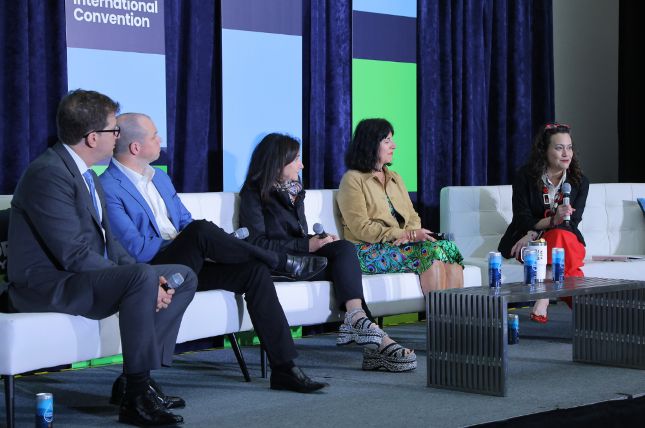
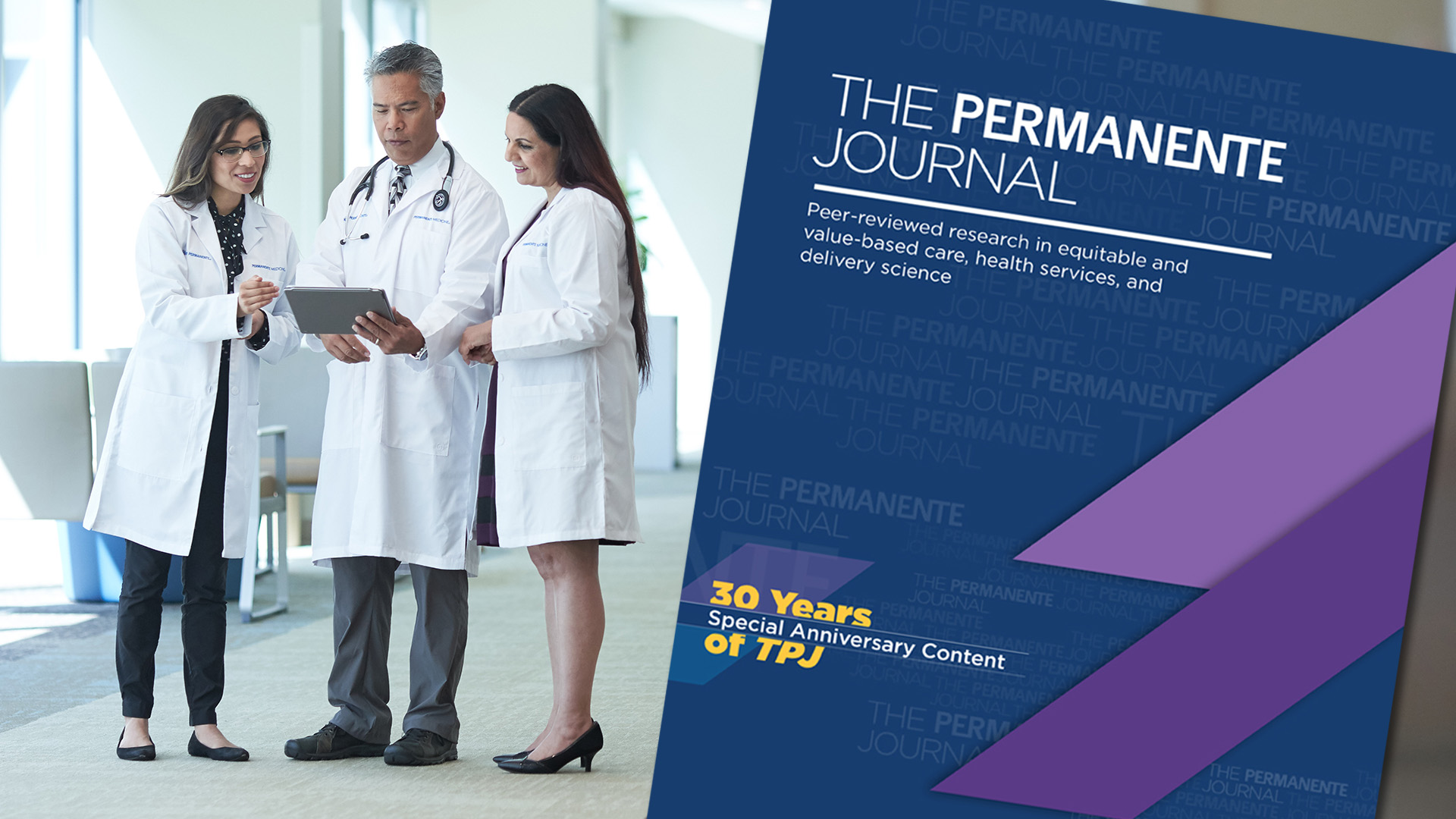
In a recent panel discussion published in The Permanente Journal, industry experts unpacked causes for the shortage, the places and specialties most impacted, and ways to expand the pipeline for future physicians.
Most importantly, the panel examined how the shortage could impede the provision of and access to high-quality care. The discussion was moderated by Ted O’Connell, MD, FAAFP, national medical director of Permanente’s Institute of Medical Education, professor at University of California San Francisco School of Medicine, and family medicine physician at The Permanente Medical Group.
Dr. O’Connell was joined by Lupe Alonzo-Diaz, MPA; Theresa Azevedo-Rousso, MPA; Julie Byerley, MD, MPH; Alexa McKinley Abel, JD; Michael B. Rothberg, MD, MPH; and Kevin Smith, MD, FACOG.
Related podcast: Preparing the next generation of physician leaders
What’s causing the physician shortage
Panelists agreed the limited number of residency slots is a factor in the United States’ ability to field enough physicians into the workforce. As the nation’s population ages, many patients could be unable to access the quality care they need. “The fact remains that nobody can become a practicing physician without completing a residency, and we cannot create new residency slots,” said Dr. Rothberg, vice chair for research at the Primary Care Institute at Cleveland Clinic.
Rural regions are among the hardest hit by the physician shortage. “Physicians may be leaving rural areas to pursue practice elsewhere because they don’t feel supported in their rural communities,” said , government affairs and policy director at the National Rural Health Association, citing smaller care teams and a reduced ability to refer for specialty care as meaningful reasons. McKinley Abel also pointed out that students who come from and train in rural areas are more likely to enter clinical practice in rural settings. However, she added that the federal student loan caps introduced in 2025 will be an impediment for such students considering medical school.
Financing medical education also remains a big challenge among underserved communities, said Alonzo-Diaz, president and CEO of Physicians for a Healthy California and vice president of medical education for the California Medical Association. . “This … [reinforces] what we know about communities that do not have the same level of affluence or access to assets and resources,” Alonzo-Diaz said.
Related story: Experts discuss benefits, challenges of anti-obesity drugs in The Permanente Journal
For certain medical specialties, the physician shortage is even more pronounced. “The pediatric workforce is challenged more now than it was before,” said Dr. Byerley, president of Geisinger College of Health Sciences, dean at Geisinger Commonwealth School of Medicine, and executive vice president and chief academic officer at Geisinger. Subspecialty areas within pediatrics face a greater shortage than primary care pediatrics, she explained, stating that it “often has inherent financial disincentives” regarding nonprocedural specialties in particular.
Potential solutions to closing the physician workforce gap
Expanding training and responsibilities among allied health professions and enabling them to practice at the top of their license is often hailed as a path to reducing access challenges. “As physicians, we have created these barriers that are essentially protectionist,” said Dr. Rothberg. “We could also be a lot more creative in terms of letting other allied health care professionals do things that physicians do,” suggesting that others on the care team could be trained in certain procedures, such as colonoscopies, to free up physician availability.
Despite the ongoing challenges, panelists agreed there has been progress in the last decade, particularly on the graduate medical education (GME) front. “We at the California Medical Association are proud of taking this conversation to voters,” said Alonzo-Diaz, noting that California’s proposition 56 and 35 have raised nearly $340 million combined for direct investment into GME programs. “Finding these kinds of opportunities is certainly part of the long-term solution,” she said.
Read the full expert panel discussion Online First in The Permanente Journal.
The post What’s causing the physician shortage and how to fix it: The Permanente Journal panel appeared first on Permanente Medicine.
Apa Reaksi Anda?
 Suka
0
Suka
0
 Kurang Suka
0
Kurang Suka
0
 Setuju
0
Setuju
0
 Tidak Setuju
0
Tidak Setuju
0
 Bagus
0
Bagus
0
 Berguna
0
Berguna
0
 Hebat
0
Hebat
0