




















How to Choose the Right Munchie Sticks for Puppies

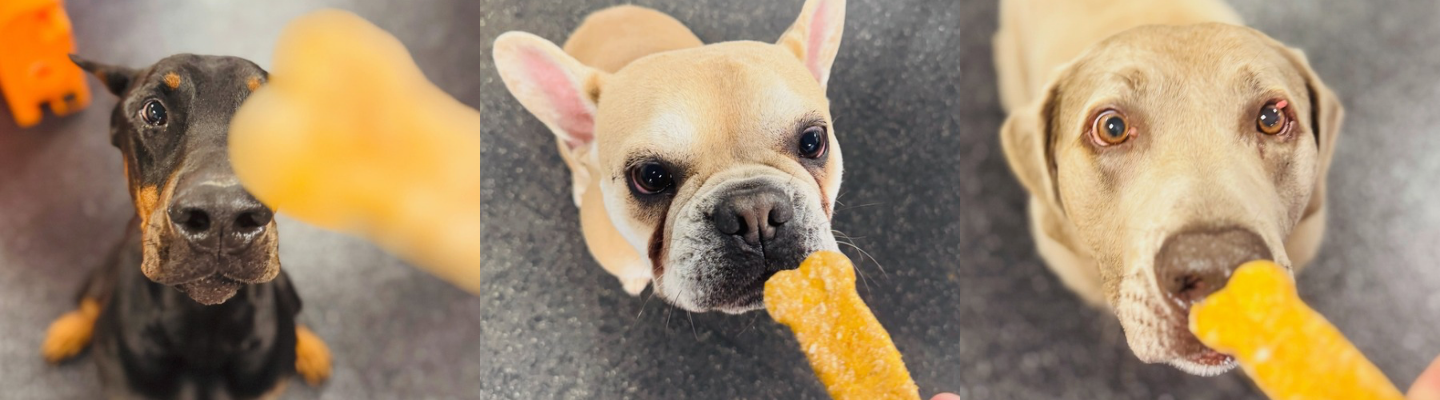
A puppy's first few months are a whirlwind of teething, chewing, and curious taste-testing of everything in sight. Munchie sticks are one of the most popular treats for this stage in India, loved by both puppies and pet parents. They are soft, chewy, palatable, and easy to carry in your pocket during training sessions.
But not every munchie stick on the shelf is right for a young puppy. Some contain ingredients that are too rich, too salty, or too tough for developing jaws. This guide walks through exactly how to choose the right munchie sticks for your puppy, what to check on the label, and what to avoid.
What Are Munchie Sticks?
Munchie sticks are soft, chewy, bite-sized treats shaped like thin sticks or small bones. Most are meat flavoured, often chicken, mutton, or liver, and made with rawhide, collagen, or starch-based binders. They hold their shape well, stay soft for easy chewing, and release strong meaty aromas that drive puppies wild.
You will find munchie sticks under many brand names in Indian pet stores. The most common types include chicken munchies, mutton munchies, milk-flavoured puppy sticks, and liver-flavoured training sticks. Sizes range from short 2-inch pieces designed for toy breeds to longer sticks for medium puppies.
Think of munchies as a middle-ground treat: softer than biscuits, less messy than raw meat, and far easier to portion than large chews like yak cheese or bully sticks.
Why Munchie Sticks Work for Puppies
Puppies are not miniature adult dogs. They have softer teeth, smaller jaws, and more delicate stomachs. Munchie sticks suit them for a few specific reasons:
-
Soft texture: Gentle on teething gums and young teeth
-
Small size: Easy to break into training-sized bites
-
Strong smell: Grabs attention during training and early socialisation
-
Short chew time: A quick reward, not a marathon chew that ties up the puppy
-
Easy digestion: Lower fat and softer ingredients suit sensitive puppy stomachs
-
Affordability: Cheaper than most single-ingredient natural chews
-
Builds chew habits: Teaches puppies to chew appropriate items, not your shoes
Munchie sticks also make excellent training rewards. Their strong flavour works better than kibble when teaching recall or basic obedience in busy Indian parks and homes with plenty of distractions.
When to Introduce Munchie Sticks
Most vets recommend introducing soft treats like munchie sticks once a puppy is at least 8 weeks old and fully weaned onto solid food. By 10 to 12 weeks, most puppies can handle small munchie pieces without digestive issues.
Watch for these readiness signs:
-
Puppy is eating solid kibble or puppy food consistently
-
No diarrhoea or vomiting in the past week
-
Baby teeth have come in or are starting to emerge
-
Shows interest in textured, flavourful foods
Start with half a stick, broken into tiny pieces. Observe stool and appetite over the next 24 hours before making munchie sticks a daily routine.
What to Look For in Munchie Sticks
Not all munchie sticks are equal. The ingredients, sourcing, and processing make a huge difference for puppies.
Ingredients to check
-
Real meat listed as the first ingredient, not meat meal or animal digest
-
No artificial colours like Red 40 or Yellow 6
-
No added sugar, corn syrup, or caramel colour
-
No BHA, BHT, or ethoxyquin preservatives
-
Low salt content, ideally under 1 percent
-
No onion powder, garlic powder, or xylitol
Texture and size
-
Soft enough that your nails can dent it slightly
-
Thin enough for a puppy's small jaws
-
Breakable by hand into 3 or 4 pieces
-
Slightly moist, not bone dry or oily
Packaging and suitability
-
Sealed packs with clear expiry dates and batch numbers
-
Labelled as safe for puppies, not just adult dogs
-
Matches your puppy's breed size (small, medium, or large)
The American Kennel Club advises checking ingredient lists carefully for puppies, as young dogs cannot tolerate the same additive load as adult dogs.
Types of Munchie Sticks
Indian pet stores stock several munchie varieties. Each serves a slightly different purpose:
-
Chicken Munchie Sticks: The most popular option. High in flavour, palatable, and widely available. Great for picky eaters.
-
Mutton Munchie Sticks: Higher in iron and richer in taste. Ideal for puppies losing interest in chicken or needing variety.
-
Liver-Flavoured Sticks: Strong smelling and super effective as training treats. Use sparingly, as liver is calorie dense.
-
Milk Munchies: Mild flavoured and gentle on the stomach. Suitable for young puppies just starting on treats, unless lactose sensitive.
-
Multigrain Vegetable Sticks: Made with oats, ragi, and vegetables. A lighter option for puppies needing lower calorie intake.
-
Dental Munchie Sticks: Textured for chewing benefits. Useful once adult teeth start coming in at around 4 months of age.
-
Single-Ingredient Air-Dried Sticks: Made from one type of meat, air dried and shaped into stick form. The cleanest category on the market.
-
Soft Training Sticks: Small, soft, easy-to-break versions designed specifically for reward-based training sessions.
Rotate two or three types through the week. This prevents taste fatigue, spreads out calorie sources, and reduces the risk of food sensitivities developing. Store all munchie sticks in airtight jars during the Indian monsoon, because humidity quickly softens and spoils them.
Red Flags and What to Avoid
Some munchie stick brands cut corners that can hurt your puppy. Watch for these warning signs:
-
Bright unnatural colours: Red, orange, or yellow shades usually mean artificial dyes
-
Overpowering chemical smell: Strong artificial aromas signal flavour enhancers or masking agents
-
Greasy residue: Oily hands after handling suggest low-quality fats or fat-coated fillers
-
Hidden ingredient lists: Brands that hide their formula are usually hiding something unwanted
-
Suspiciously cheap pricing: Low prices often mean cheap fillers and synthetic preservatives
-
Unknown origin: If the country and manufacturer are unclear, skip the pack
The ASPCA warns that certain additives, particularly xylitol and excessive onion or garlic powder, are toxic to dogs. Cheap munchies sometimes sneak these in as flavour boosters.
How to Serve Munchie Sticks Safely
Munchie sticks are generally safe, but safe feeding practices matter, especially for puppies:
-
Break sticks into 3 or 4 small pieces before giving
-
Limit to 2 to 3 small pieces per day, depending on puppy size
-
Offer only when your puppy is calm, not panting heavily after play
-
Keep fresh water close by, since munchies can feel dry
-
Supervise young puppies to prevent gulping
-
Include munchie calories in the daily 10 percent treat limit
-
Stop immediately if you notice loose stools, vomiting, or rashes
FAQs
At what age can puppies eat munchie sticks?
Most puppies can start with soft munchie sticks from 8 to 10 weeks of age, once they are fully weaned and eating solid food comfortably. Start with half a stick broken into tiny pieces, and watch for any stomach upset over the next 24 hours.
How many munchie sticks can I give my puppy daily?
Two to three small pieces per day is a good limit for a medium puppy. Total treat calories should not exceed 10 percent of your puppy's daily food intake. Smaller puppies need even less, while large breed puppies may handle slightly more.
Are munchie sticks healthy for puppies?
It depends on the brand. Clean munchie sticks made with real meat, no artificial colours, and minimal preservatives are a healthy choice. Cheap, additive-heavy versions can cause stomach upsets and should be avoided.
Can munchie sticks replace puppy meals?
No. Munchie sticks are treats, not meals. Puppies need a complete, balanced puppy food as their main diet. Munchies should be used only for training rewards or occasional snacks.
Which munchie sticks are safest for Indian puppies?
Look for Indian-made munchies with real chicken or mutton as the first ingredient, no artificial colours, and short ingredient lists. Brands that disclose manufacturing details and ingredient sources clearly are usually the safest choices.
Final Thoughts
The right munchie sticks can make puppyhood smoother, from teething relief to training breakthroughs. Pick soft, clean, single-meat options, keep portions small, and rotate flavours through the week. Always check labels carefully and avoid anything with artificial colours or hidden additives.
Browse PetsWorld's dog treats and chews collection to find puppy-safe munchie sticks and other gentle treats for your growing pup.
Apa Reaksi Anda?
 Suka
0
Suka
0
 Kurang Suka
0
Kurang Suka
0
 Setuju
0
Setuju
0
 Tidak Setuju
0
Tidak Setuju
0
 Bagus
0
Bagus
0
 Berguna
0
Berguna
0
 Hebat
0
Hebat
0