




















Natural vs Processed Dog Treats: What You Need to Know

Walk into any pet store in India and the treat aisle can feel overwhelming. Bright packaging, exciting flavours, and dozens of label claims compete for attention. Some packs scream natural and organic. Others promise meaty rewards or vet-approved goodness. The truth is, most pet parents have no idea what these terms actually mean, or whether the treat inside is genuinely good for their dog.
This guide breaks down the real difference between natural and processed dog treats. You will learn what each term means, how they affect your dog's health, and how to spot marketing tricks on labels. By the end, you will shop smarter and feed better.
What Are Natural Dog Treats?
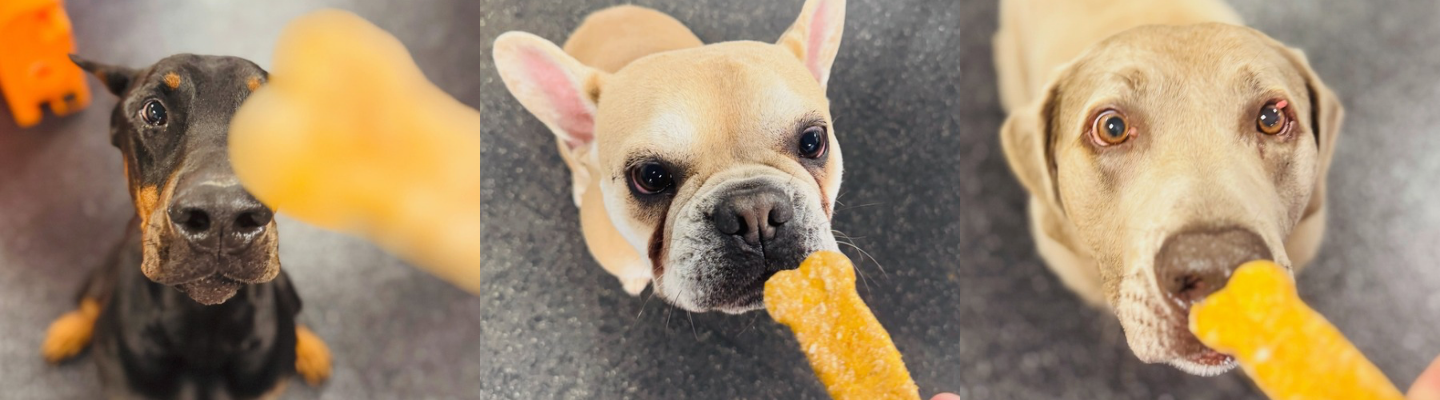
Natural dog treats are made from whole, minimally processed ingredients. Think dried meat strips, dehydrated fish, air-dried vegetables, or single-ingredient chews like bully sticks and yak cheese. The ingredient list is short, recognisable, and usually under five items.
The key markers of a truly natural treat are:
-
Real meat, fish, or vegetable as the first ingredient
-
No artificial colours, flavours, or preservatives
-
No corn syrup, refined flour, or hydrogenated oils
-
Minimal processing such as dehydration, air drying, or gentle baking
-
Recognisable ingredients you could find in your own kitchen
Natural does not automatically mean organic or grain free. It simply means the product is closer to its original form. Look for single-ingredient treats when possible, because they offer the cleanest nutrition and fewer risks for dogs with sensitivities.
What Are Processed Dog Treats?
Processed dog treats go through significant industrial transformation. Ingredients are broken down, cooked, mixed with additives, reshaped, flavoured, and preserved to extend shelf life. Popular examples include shaped biscuits, coloured chewy strips, meaty sticks with long ingredient lists, and imported flavour-coated chews.
Common signs of heavy processing include:
-
Long ingredient lists, often 15 or more items
-
Artificial colours like Red 40 or Yellow 5
-
Preservatives such as BHA, BHT, or ethoxyquin
-
Flavour enhancers and artificial smoke flavouring
-
Added sugar, salt, corn syrup, or refined flour
-
Meat by-products or unnamed meat sources like animal digest
Processed treats are not inherently unsafe. Many reputable brands make processed treats that dogs love. But cheaper versions often cut corners with low-quality fillers and additives that can affect your dog's health over time.
Key Differences at a Glance
Ingredients: Natural treats use whole foods. Processed treats rely on flours, fats, additives, and flavour enhancers.
Protein quality: Natural treats usually contain real, named meat. Processed treats may list generic meat meal or by-products.
Shelf life: Processed treats last longer due to preservatives. Natural treats spoil faster, especially in Indian humidity.
Digestibility: Natural treats digest more smoothly. Processed ones with artificial ingredients can cause stomach upsets.
Allergy friendliness: Single-ingredient natural treats make allergy management simpler. Processed treats often hide triggers.
Price: Processed treats are cheaper on the shelf. Natural treats cost more but offer better value per nutritional gram.
For most dogs, a mix of both types works best, with natural treats forming the bulk of the daily intake.
Benefits of Natural Dog Treats
The advantages of natural dog treats go beyond clean labels:
-
Better digestion: Fewer additives mean fewer stomach upsets over time
-
Stronger coat and skin: Real animal protein and omega-rich fish improve coat shine
-
Allergy control: Single ingredients help you identify and avoid triggers
-
Stable energy: No sugar crashes after snacking sessions
-
Dental benefits: Many natural chews double as teeth scrapers
-
Weight management: Lower calorie density per treat
The American Kennel Club recommends focusing on clean, single-ingredient treats for dogs with food sensitivities. Many veterinary nutritionists suggest the same for senior dogs, whose digestive systems become more delicate with age.
Risks of Heavily Processed Treats
Not all processed treats are dangerous, but heavily processed products carry real risks you should know about:
-
Artificial preservatives: BHA and BHT have been linked to health concerns in long-term animal studies
-
Excess salt and sugar: Can contribute to obesity, diabetes, and kidney issues
-
Artificial colours: Offer no nutritional value and may trigger hyperactivity in some dogs
-
Low-quality protein: By-products and animal digest offer poor protein the body struggles to use
-
Hidden allergens: Wheat, corn, and soy fillers can trigger itching, ear infections, and digestive flare-ups
The ASPCA warns that some additives, particularly xylitol and excessive onion or garlic powders, can be toxic to dogs. Always check imported treats carefully, as regulations vary widely by country.
When Processed Treats Still Work
Processed treats are not the enemy. They have genuine uses in daily life:
-
Training: Soft, shelf-stable processed treats are easier to carry in a training pouch
-
Travel: Longer shelf life suits road trips and airport days
-
Affordability: Budget-friendly processed options help pet parents on tight budgets
-
Dental sticks: Many clinically tested dental chews are technically processed
Aim for an 80 to 20 split: 80 percent natural, 20 percent processed, adjusted for your dog's specific needs.
How to Read a Dog Treat Label
Labels can be confusing by design. Here is how to decode them quickly:
-
Check the first three ingredients, which make up the bulk of the product
-
Look for named proteins. Chicken is good, meat meal is not ideal.
-
Avoid long chemical names. If you cannot pronounce it, your dog probably does not need it.
-
Watch for hidden sugars like corn syrup, molasses, or caramel colour
-
Scan for fillers such as wheat middlings, corn gluten, and soy meal
-
Check the source country and manufacturing date, especially during Indian monsoon
How to Switch to Natural Treats
A sudden switch can upset your dog's stomach. Make the transition gradually over 7 to 10 days:
-
Days 1 to 3: Replace 25 percent of old treats with natural options
-
Days 4 to 6: Increase to 50 percent
-
Days 7 to 9: Move to 75 percent natural
-
Day 10 onwards: Complete the switch to natural treats
Store natural treats in airtight containers in a cool, dry place, especially during monsoon months.
FAQs
Are natural dog treats better than processed treats?
For most dogs, yes. Natural treats offer cleaner nutrition, fewer additives, and easier digestion. However, they cost more and spoil faster. A mix of both often works best, with the majority being natural.
What are the healthiest natural dog treats available in India?
Himalayan yak cheese chews, bully sticks, dehydrated fish, air-dried chicken strips, and freeze-dried liver are among the healthiest natural options. Single-ingredient treats are the safest starting point for any dog.
Do processed treats cause allergies in dogs?
They can. Wheat, corn, soy, artificial colours, and certain preservatives are common triggers. If your dog shows signs like itchy ears, paw licking, or recurring stomach upsets, check the ingredient list of recent treats first.
Is grain free the same as natural?
No. Grain free simply means no wheat, rice, or corn. A treat can be grain free but still heavily processed with artificial additives. Always read the full ingredient list, not just front-of-pack claims.
How do I store natural dog treats in Indian humidity?
Keep natural treats in airtight jars or zip-lock pouches with a silica gel packet. Refrigerate meat-based treats during monsoon. Buy smaller packs more often rather than stockpiling, as natural treats spoil faster than processed ones.
Final Thoughts
Natural and processed dog treats both have a place in your dog's life, but what you pick and how often matters. Focus on clean, single-ingredient natural treats as the base, use processed treats sparingly for training or travel, and read every label carefully. Your dog's coat, digestion, and long-term energy will show the difference within weeks.
Browse PetsWorld's dog treats and chews collection for trustworthy natural options and clean processed picks.
Apa Reaksi Anda?
 Suka
0
Suka
0
 Kurang Suka
0
Kurang Suka
0
 Setuju
0
Setuju
0
 Tidak Setuju
0
Tidak Setuju
0
 Bagus
0
Bagus
0
 Berguna
0
Berguna
0
 Hebat
0
Hebat
0


