







































Strategies for poultry producers to combat insecticide resistance
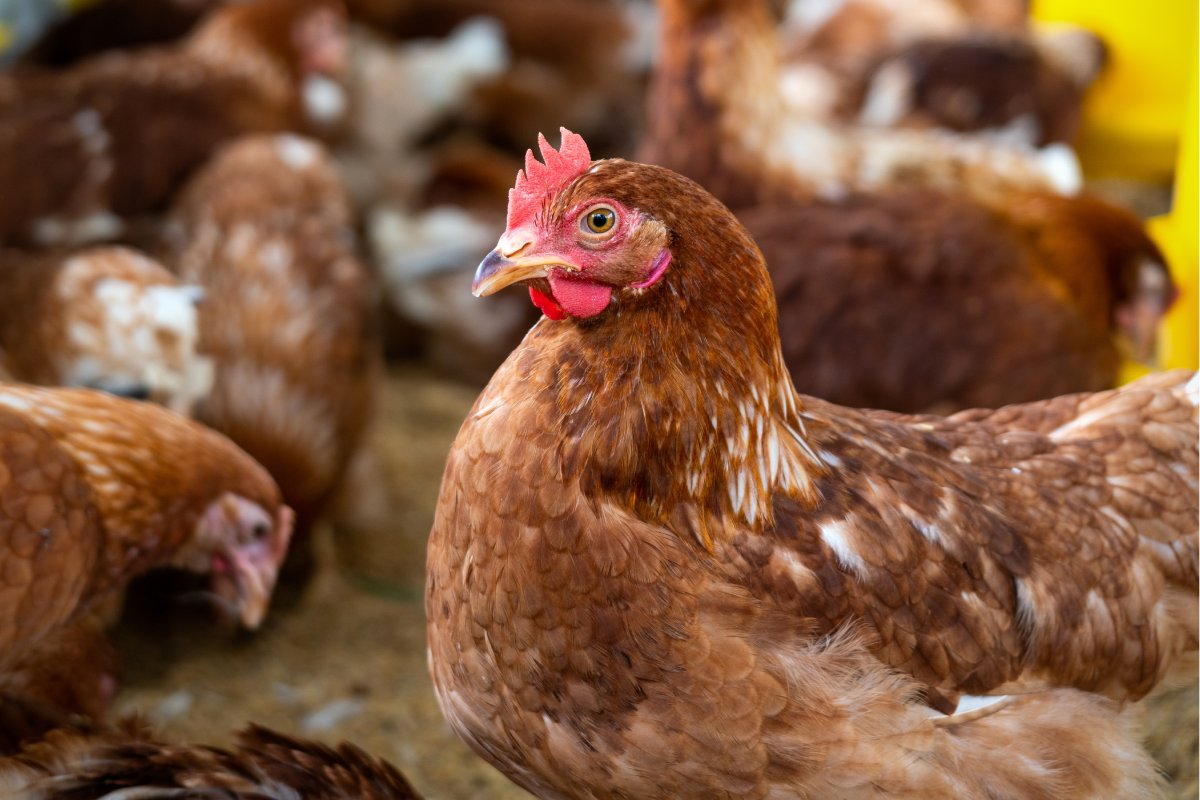
Poultry producers can combat insecticide resistance by rotating insecticides based on their mode of action, implementing resistance monitoring programs, and integrating non-chemical pest management strategies. These proactive measures help maintain long-term control and reduce the risk of resistant pest populations.
Understanding insecticide resistance
Insecticide resistance occurs when insect populations are repeatedly exposed to the same active ingredient, leading to genetic adaptations that reduce the effectiveness of treatments. In poultry production, pests such as darkling beetles can quickly develop resistance, undermining biosecurity and flock health. Resistance is not tied to brand names but to the chemical group and mode of action of the insecticide.
Key strategies for combating resistance
- Rotate modes of action
Insecticides are classified by group numbers based on their mode of action. Producers should rotate between these groups rather than simply switching brands.
For example, alternating between pyrethroids and organophosphates reduces the likelihood of pests adapting to one chemical family.
- Monitor resistance levels
Regular monitoring of pest populations helps detect early signs of resistance.
Field tests and laboratory assays can identify reduced sensitivity, allowing producers to adjust control strategies before resistance becomes widespread.
Integrate non-chemical controls
Sanitation and litter management reduce pest breeding grounds.
Physical barriers, improved ventilation, and moisture control limit insect survival.
Biological controls, such as introducing natural predators, can complement chemical treatments.
- Apply correct dosages and timing
Under-dosing or irregular application accelerates resistance development.
Following label instructions and applying insecticides at recommended intervals ensures maximum effectiveness.
Benefits of proactive resistance management
- Sustained effectiveness of insecticides over time.
Reduced production costs by avoiding repeated ineffective treatments.
Improved flock health and biosecurity, as pests are vectors for disease.
Compliance with regulatory standards and consumer expectations for sustainable production.
Risks of ignoring resistance
- Rapid pest population growth due to ineffective treatments.
- Increased disease transmission within poultry houses.
- Higher operational costs from repeated chemical applications.
- Potential regulatory scrutiny if misuse of insecticides is detected.
Conclusion
Combating insecticide resistance in poultry production requires a proactive, integrated approach. By rotating insecticides based on mode of action, monitoring resistance, and combining chemical with non-chemical strategies, producers can safeguard flock health and maintain effective pest control. Resistance management is not just a technical necessity—it is a cornerstone of sustainable poultry production.
Sources can be provided upon request
Apa Reaksi Anda?
 Suka
0
Suka
0
 Kurang Suka
0
Kurang Suka
0
 Setuju
0
Setuju
0
 Tidak Setuju
0
Tidak Setuju
0
 Bagus
0
Bagus
0
 Berguna
0
Berguna
0
 Hebat
0
Hebat
0