
















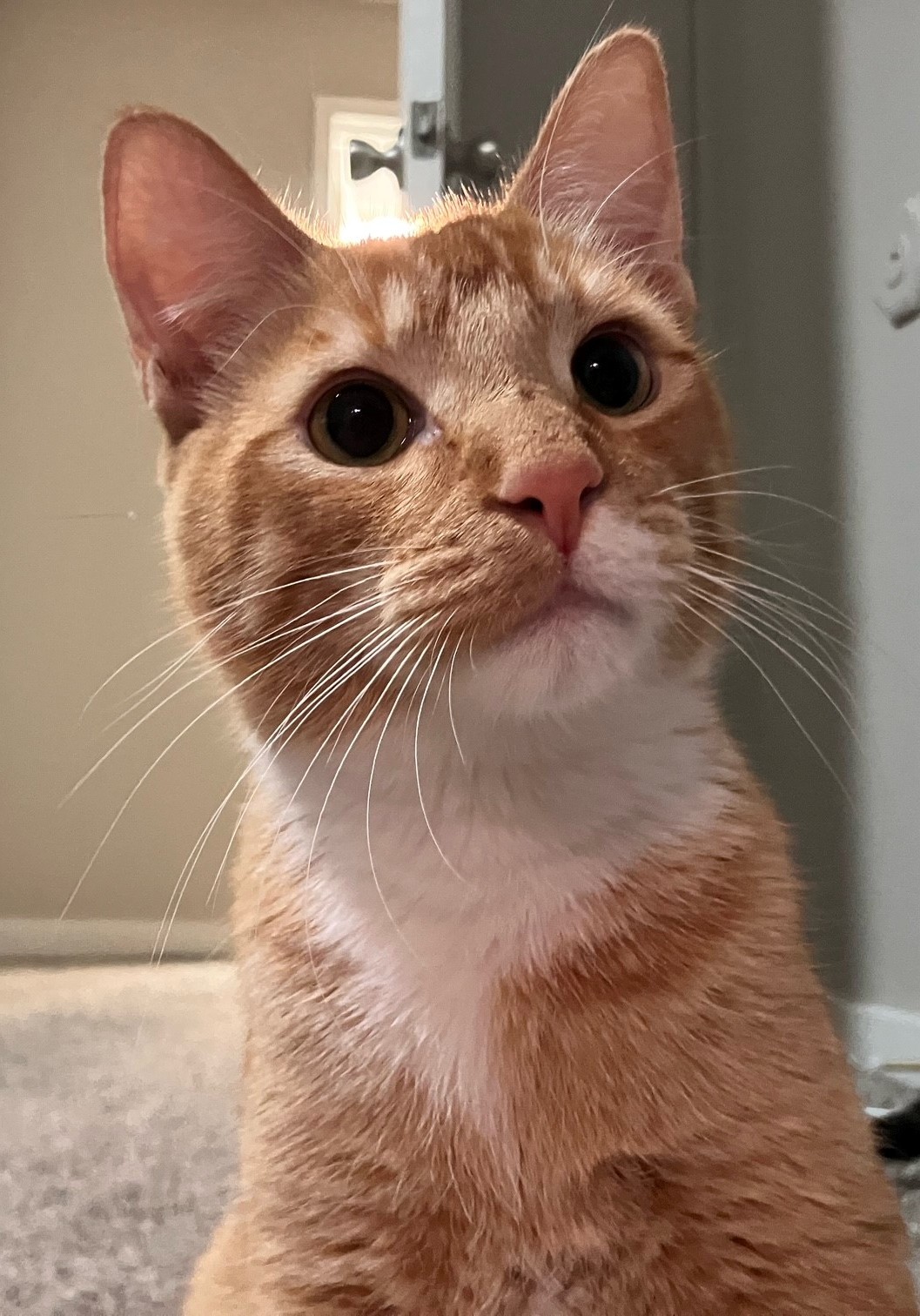
























How to Train a Cat to Use a Litter Box

One of the most underappreciated miracles of cat behaviour—and what makes living with cats so wonderfully easy—is their natural instinct to use a litter box. While dogs often require weeks (or months) of house training, cats usually walk right into a home and know exactly what to do. No praise, no treats, no training sessions needed.
This instinct isn’t just convenient—it’s one of the key reasons cats were able to domesticate themselves and integrate into human homes so seamlessly.
Why Cats Are So Easy to Live With
There are specific criteria that animals must meet to be considered domesticated and truly compatible with human life. One of the most important? The animal must be easy to keep. That means they can live closely with us without causing daily chaos, danger, or excessive mess. Cats fill this requirement with their built-in elimination behaviour. No accidents on the carpet (in most cases). Just give them a clean box with the right substrate, and they’ll take it from there.
If cats didn’t come equipped with this trait, they wouldn’t be living inside with us. It’s that simple. Unlike dogs, who can be trained to “go potty” in the right place, cats already have the instinct to find soft, diggable material—dig, eliminate, and cover it up. This behaviour developed in the wild to avoid leaving scent trails for predators or rivals. We humans have simply provided a tidy, indoor version of what they already know.
Fact: In nature, cats do not hide behind a bush when eliminating.
Litter Box Use: Instinct-Driven, But Still Needs Our Support
Because this behaviour is hardwired, cats don’t typically need to be specifically “trained” to use the litter box. But we can definitely sabotage their success—or support it—based on how we set up and maintain the box.

Andrey_Kuzmin/Bigstock
Best Practices for Litter Training Success
Choose the right box and litter.
Cats prefer large, open litter boxes with plenty of room to turn, dig, and see their surroundings. Covered boxes might seem like a tidy solution for humans, but they can make cats feel trapped with only one way in and out. Open boxes give them multiple exits and a clear view of their territory—just like they’d want in the wild.
When it comes to litter, go with an unscented, clumping variety. Avoid scented litter (which can be overwhelming to a cat’s sensitive nose) and aim for a depth of three to four inches. Most cats appreciate the ability to dig deeply and cover thoroughly.
Keep it clean.
Even instinct can’t overcome a dirty bathroom. Cats are fastidious animals, and many will avoid a box that isn’t scooped regularly. Scoop at least once or twice a day and wash the box with mild soap about once a month. Replace litter entirely every 30 days—even if it looks clean to you.
Offer the right number of litter boxes.
The rule of thumb is simple: one box per cat, plus one extra. In multi-level homes, place boxes on each floor. Accessibility matters—especially for senior cats or those with mobility issues.
In my book The Cat Whisperer, I explain how putting all your cats’ resources (litter boxes, food, water, toys, beds) in one room creates unnecessary competition and stress in multi-cat homes. Think of how these resources would be scattered in the wild. Space them out—north, south, east, and west.
Place boxes in calm, safe spots.
Cats don’t like surprises in the bathroom. Avoid placing litter boxes near loud appliances, busy entryways, or areas where your cat might feel cornered. Their “instinct to escape” is strong—even when they’re doing their business.
Also, avoid hiding boxes in closets or behind furniture. While it may seem like a good idea, cats prefer to see their surroundings while eliminating. It’s a matter of survival instinct—even in a cozy living room.
Never punish accidents.
Accidents aren’t disobedience or a spiteful act—they’re a red flag. Punishing a cat for missing the litter box doesn’t work and is inhumane. It only creates fear and stress, which can actually make the problem worse. Instead, focus on uncovering what’s wrong with the litter box setup or check for underlying medical issues with your veterinarian.

New Africa/Bigstock
Temporary Guided Training for Cats Who Need a Little Help: Litter Training for Kittens, Strays, Rescues, and Cats Having “Accidents”
While most cats use the litter box naturally, some—especially kittens, new rescues, or cats recovering from trauma—may need extra support. This is where guided training comes in.
This method involves temporarily confining your cat to a small, comfortable space like a bathroom or quiet bedroom. Make sure the room includes food, water, a cozy bed, toys, and two clean, uncovered litter boxes.
You’re not locking them up—you’re creating a space for success. Let’s say your cat uses the litter box around 2 p.m. You can confidently give them access to the rest of the house for several hours. After meals or naps (common times for elimination), return them to the room for another box opportunity. Follow this method for one to two weeks, depending on the severity of the issue.
Guided litter box training does a few key things:
- Increases the frequency with which you cat uses the litter box, creating the habits we want.
- Interrupts inappropriate elimination behaviour breaking the patterns we don’t want (or avoiding them in the first place).
- Helps you monitor for possible medical issues like UTIs.

New Africa/Bigstock
A Perfect Balance of Instinct and Support
The fact that cats instinctively use a litter box is more than just convenient—it’s a marvel of natural design. It’s one of the reasons cats have lived alongside us for thousands of years without much fuss. But instinct alone isn’t enough. As cat guardians, it’s our job to meet them halfway and make their environment work with their natural behaviour—not against it.
As cat guardians, it’s our job to meet them halfway and make their environment work with their natural behaviour—not against it.
At the end of the day, litter box success isn’t about traditional training. It’s about understanding your cat’s instincts, offering the right support, and setting them up to succeed. Your cat brings the behaviour. You bring the setup. And together, you create a home that works for both of you.
This article originally appeared in the award-winning Modern Cat magazine.
Subscribe today!
The post How to Train a Cat to Use a Litter Box appeared first on Modern Cat.
Apa Reaksi Anda?
 Suka
0
Suka
0
 Kurang Suka
0
Kurang Suka
0
 Setuju
0
Setuju
0
 Tidak Setuju
0
Tidak Setuju
0
 Bagus
0
Bagus
0
 Berguna
0
Berguna
0
 Hebat
0
Hebat
0