


























How Transportation Networks Help Keep Aquaculture Businesses Running
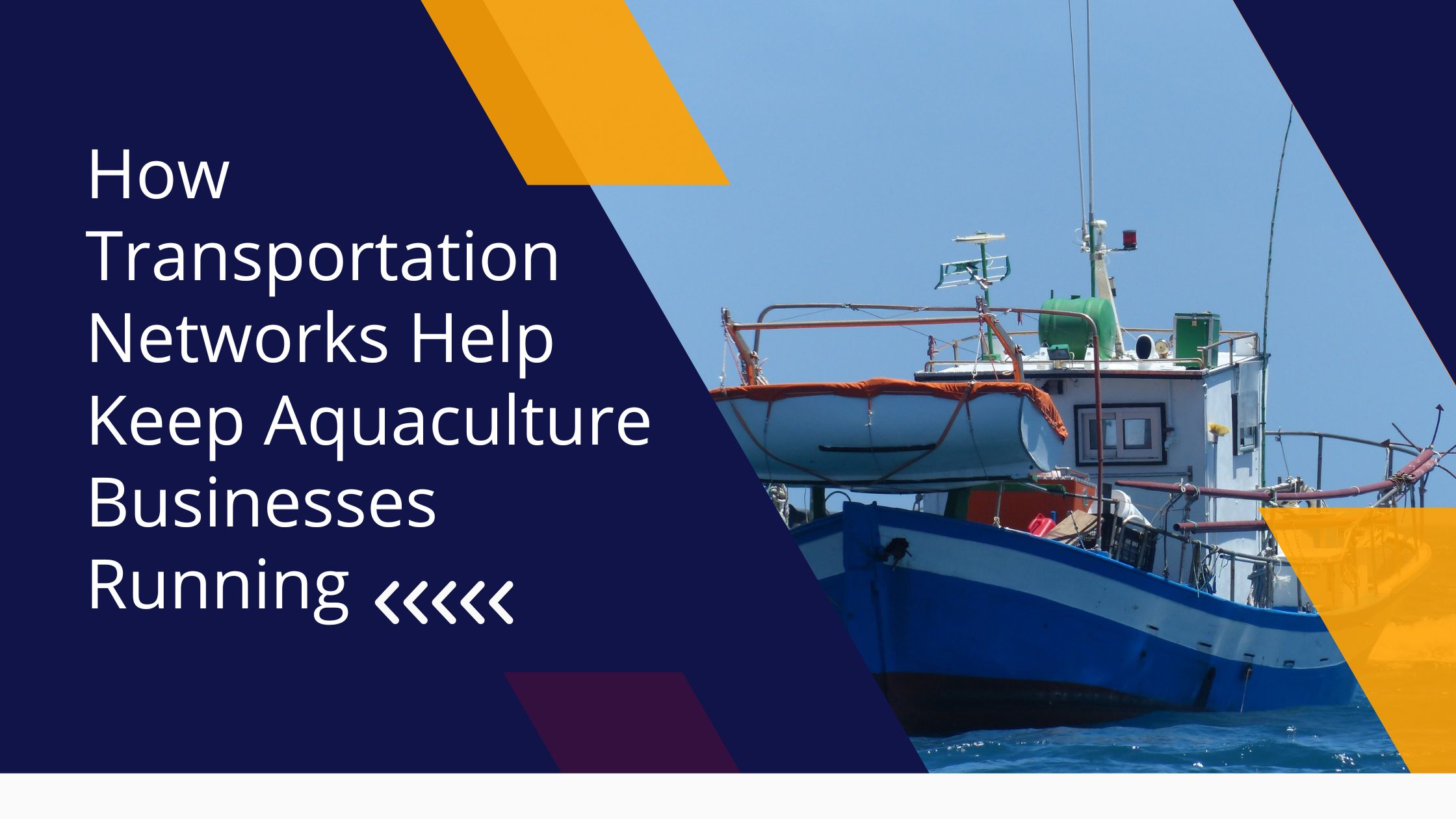
Aquaculture has become one of the fastest-growing sectors in global food production. From fish farms and shellfish operations to aquatic plant cultivation, aquaculture businesses play a major role in supplying seafood to restaurants, grocery stores, and consumers around the world.
While farming methods and sustainability often receive the most attention, transportation networks are just as important to the success of the industry. Without reliable logistics systems, aquaculture businesses would struggle to move equipment, supplies, harvested seafood, and maintenance materials efficiently between locations.
Strong transportation infrastructure helps these businesses maintain production schedules, protect product quality, and meet increasing consumer demand in competitive markets.
- Moving Fresh Seafood Quickly
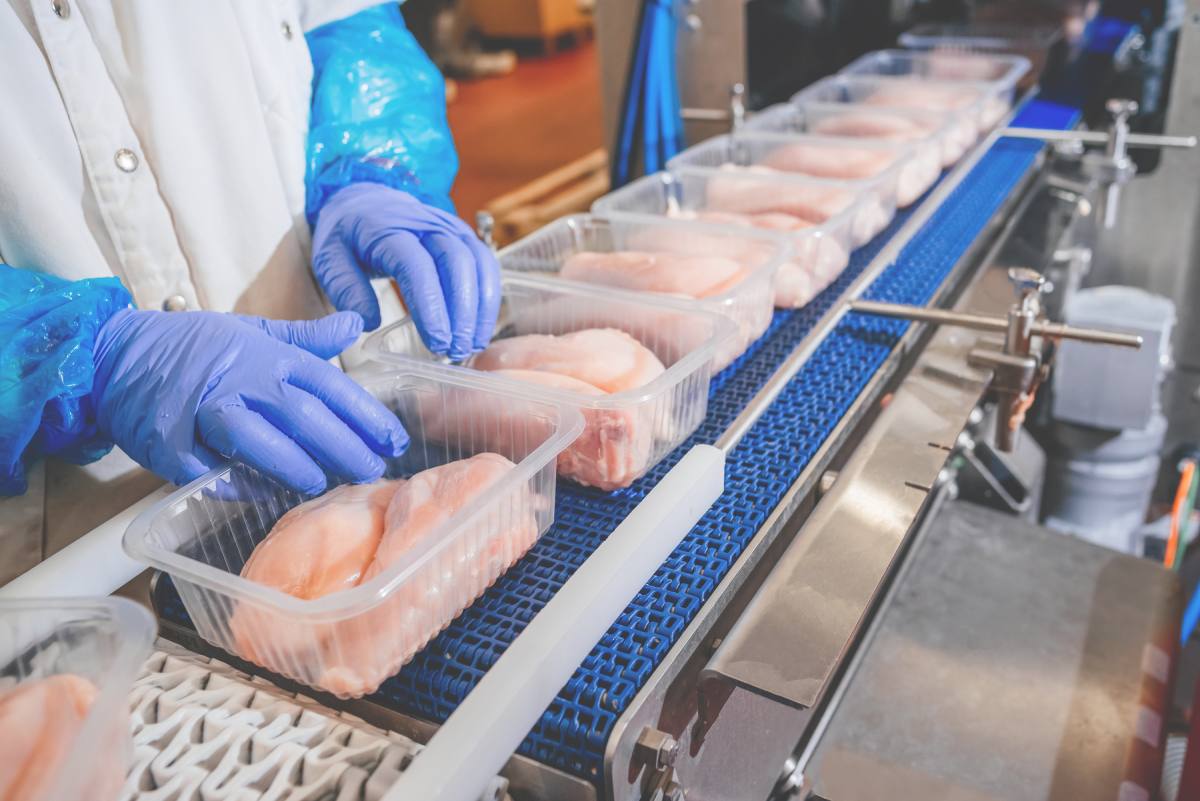
Fresh seafood needs to reach markets within strict timeframes to maintain quality and safety standards. Fish, oysters, shrimp, and other products often travel through several stages before reaching consumers, making efficient logistics essential throughout the process.
Transportation providers help maintain freshness by using refrigerated vehicles, coordinated shipping schedules, and carefully planned delivery routes. Temperature-controlled logistics systems are especially important because even small disruptions during transport can affect product quality.
Reliable transportation not only reduces waste but also helps aquaculture businesses maintain customer trust and deliver consistent products to retailers and restaurants.
- Supporting Remote Aquaculture Operations
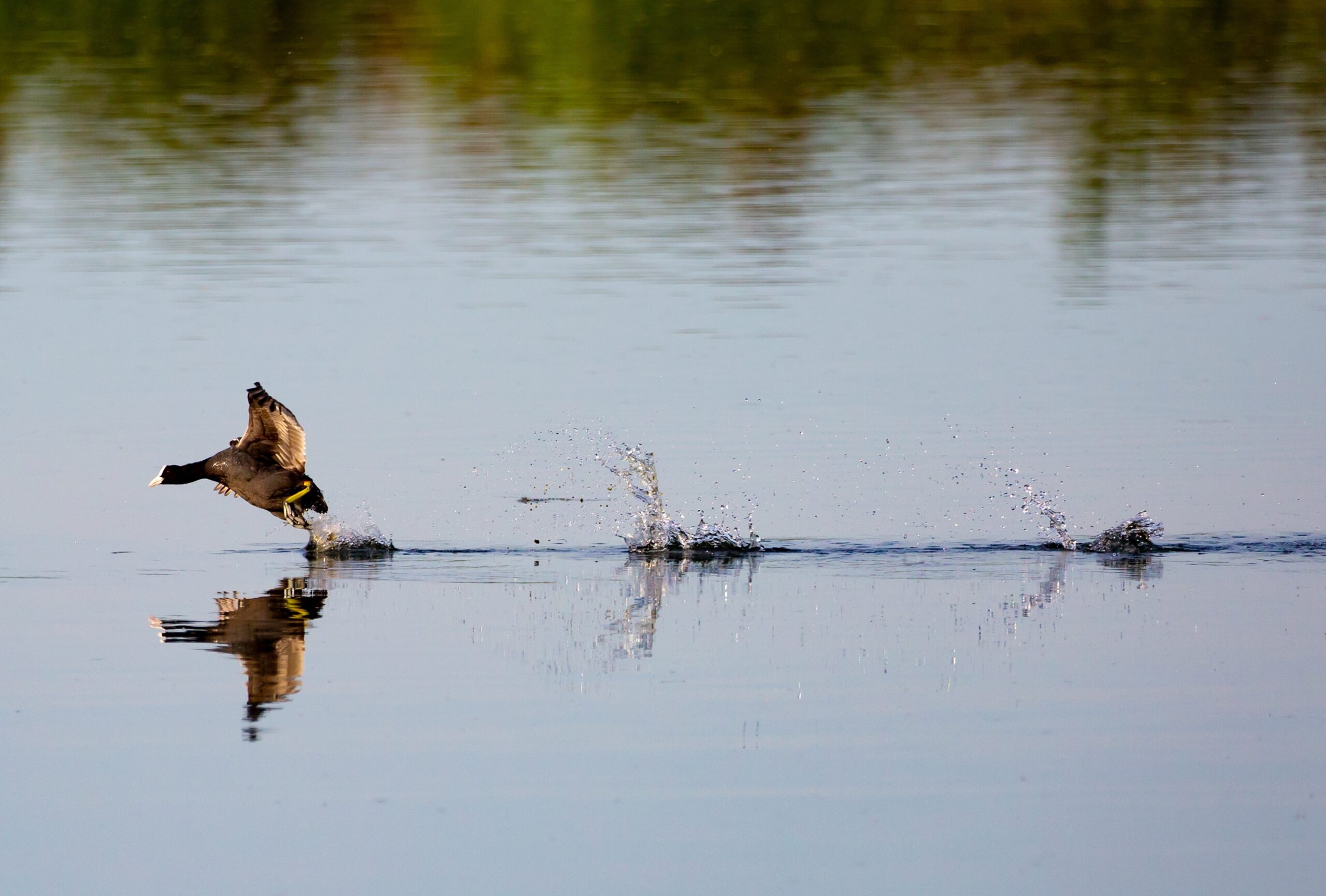
Many aquaculture farms are located in coastal or rural areas where infrastructure may be more limited. These remote locations often depend heavily on transportation services to stay connected with suppliers, distributors, and processing facilities.
Regular deliveries are essential for keeping operations running smoothly. Farms need consistent access to feed, water filtration supplies, nets, cages, fuel, and maintenance equipment. Delays in receiving these materials can affect production schedules and create operational challenges. Transportation networks allow remote aquaculture businesses to remain competitive despite geographic limitations.
- Transporting Specialized Equipment
Modern aquaculture operations use a wide range of specialized equipment to maintain water quality, feeding systems, harvesting operations, and environmental monitoring.
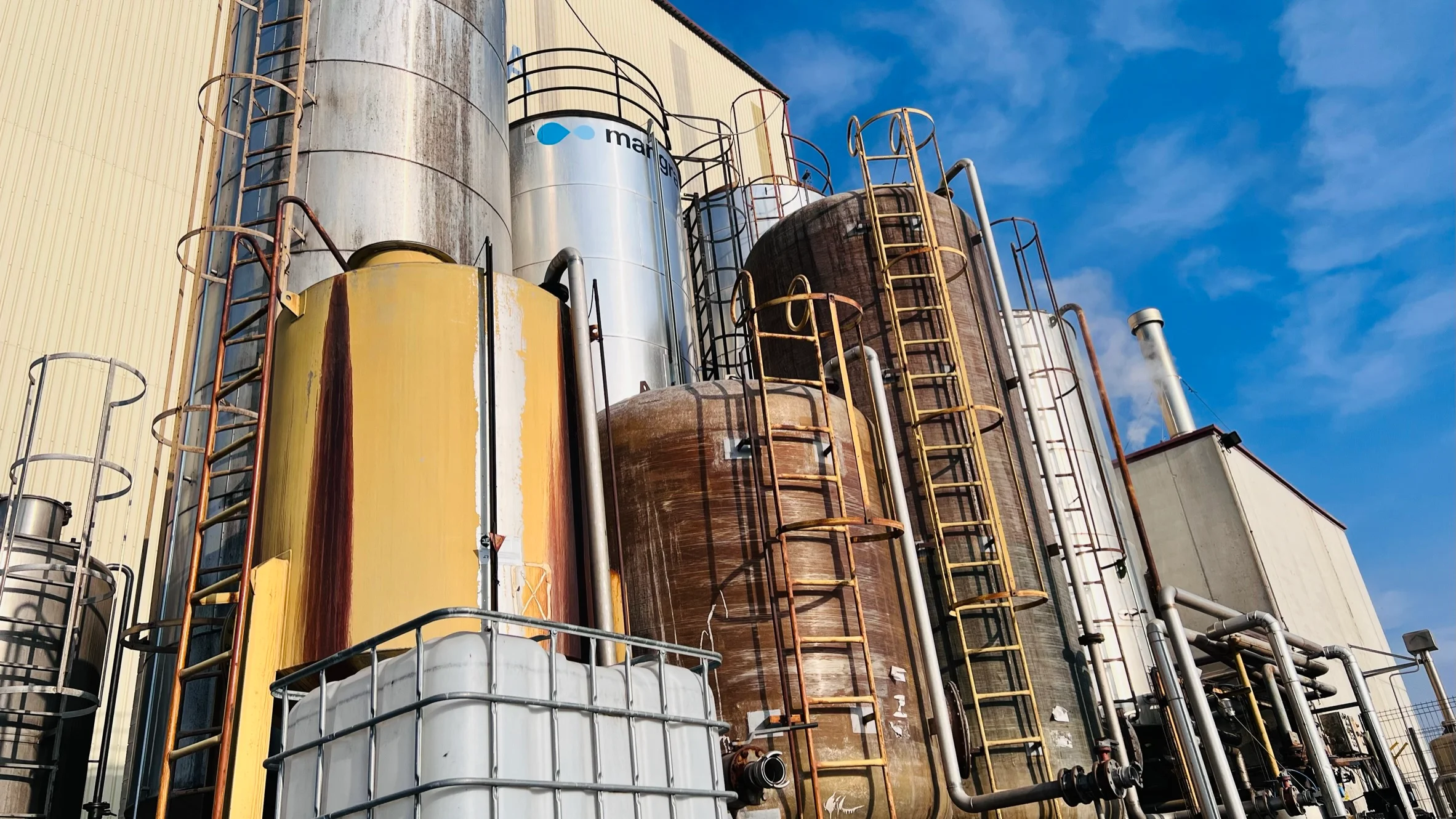
Some of this equipment can be expensive, fragile, or difficult to transport, requiring careful logistical coordination. Pumps, filtration systems, storage tanks, and harvesting machinery may all need to be moved between facilities or delivered to remote farming sites.
Commercial transportation providers help businesses manage these logistical demands efficiently. Even industries outside seafood production contribute to broader transportation capacity, with services such as Sacramento car transporters supporting commercial logistics systems across multiple sectors.
- Maintaining Cold Chain Integrity
Cold chain logistics are one of the most important parts of seafood transportation. Because seafood products spoil quickly when temperatures are not properly controlled, transportation companies play a major role in maintaining quality throughout delivery routes. Proper refrigerated transport systems help businesses meet food safety standards while reducing product loss and protecting brand reputation. Consistent temperature management also extends shelf life, allowing seafood to reach wider markets without sacrificing quality.
- Helping Businesses Reach Larger Markets
Reliable transportation networks allow aquaculture businesses to expand beyond local markets and supply seafood to regional, national, and international customers. Without efficient logistics systems, many farms would struggle to compete on a larger scale. Transportation infrastructure supports export operations, wholesale distribution, restaurant supply chains, and grocery deliveries, helping businesses reach more consumers while growing their operations. Access to broader markets also increases seafood availability for consumers and helps support the continued growth of the aquaculture industry.
Final Thoughts
Transportation networks are essential to the success of modern aquaculture businesses. From moving equipment and supplies to delivering fresh seafood safely and efficiently, logistics systems support nearly every part of the industry.
Reliable transportation helps aquaculture companies maintain product quality, reduce delays, expand into larger markets, and improve operational efficiency. As global seafood demand continues to grow, strong transportation infrastructure will remain one of the key factors keeping aquaculture businesses productive, competitive, and connected to consumers around the world.

The post How Transportation Networks Help Keep Aquaculture Businesses Running first appeared on WorldWide Aquaculture.
Apa Reaksi Anda?
 Suka
0
Suka
0
 Kurang Suka
0
Kurang Suka
0
 Setuju
0
Setuju
0
 Tidak Setuju
0
Tidak Setuju
0
 Bagus
0
Bagus
0
 Berguna
0
Berguna
0
 Hebat
0
Hebat
0