























Regulatory Pathways and the Road to Commercialization of Genome Editing in Aquaculture: A Conversation with Debbie Plouffe of CAT

As global demand for seafood continues to climb, the aquaculture industry faces a familiar yet intensifying challenge: how to produce more nutritious protein while reducing environmental impacts and biological risks. Innovation is no longer optional; it is foundational. Among emerging solutions, genome editing is rapidly gaining attention as a powerful, practical tool for modern breeding programs.
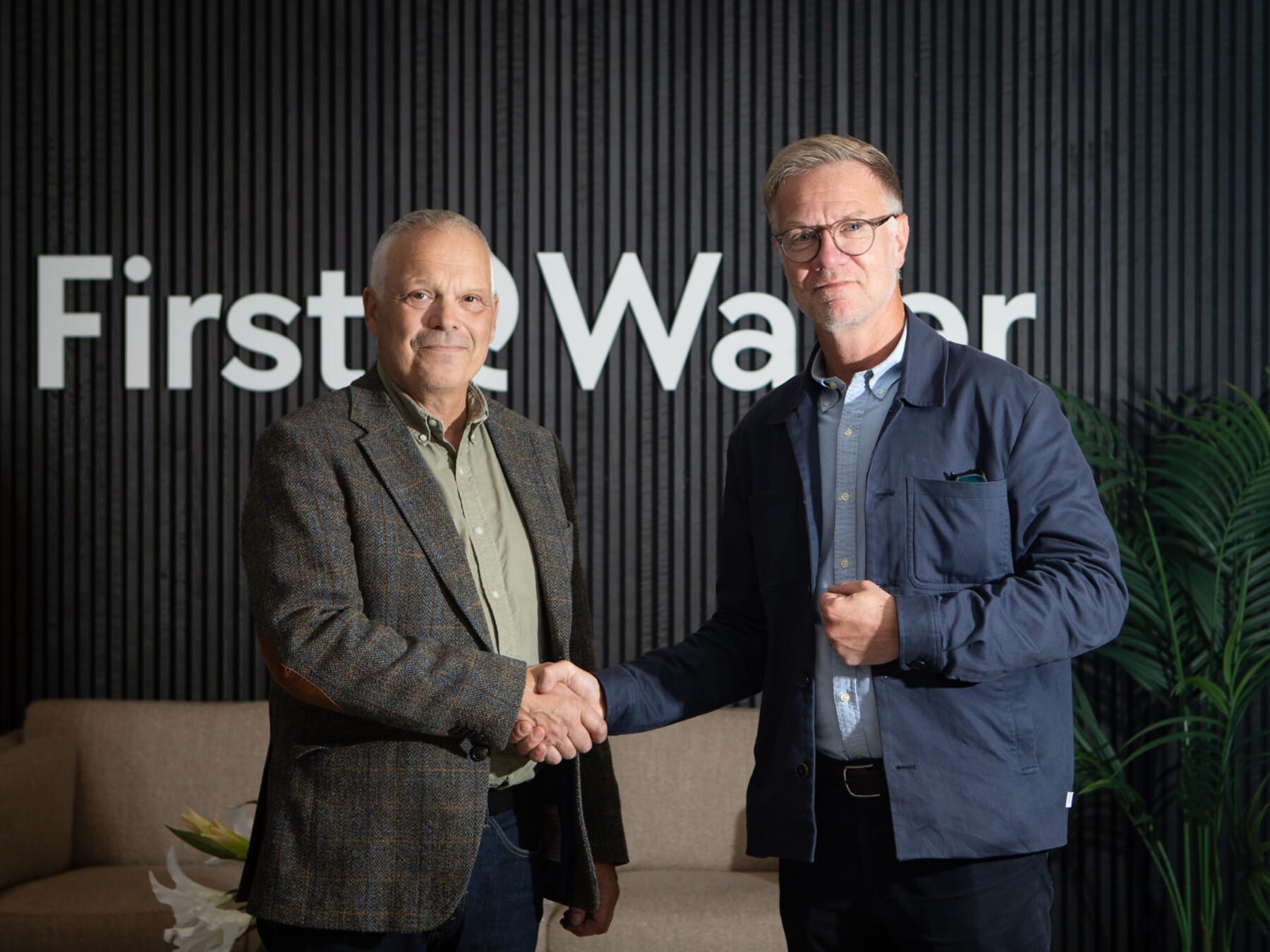
To explore its commercial potential and evolving regulatory landscape, we spoke with Debbie Plouffe, Vice President of Business Development at the Centre for Aquaculture Technologies (CAT). A leader in genetic innovation in aquaculture, CAT is already working with commercial producers to integrate genome editing into breeding programs. In her role, Debbie provides regulatory guidance, supporting CAT clients to navigate and accelerate the responsible commercialization of genome editing in farmed aquatic species.
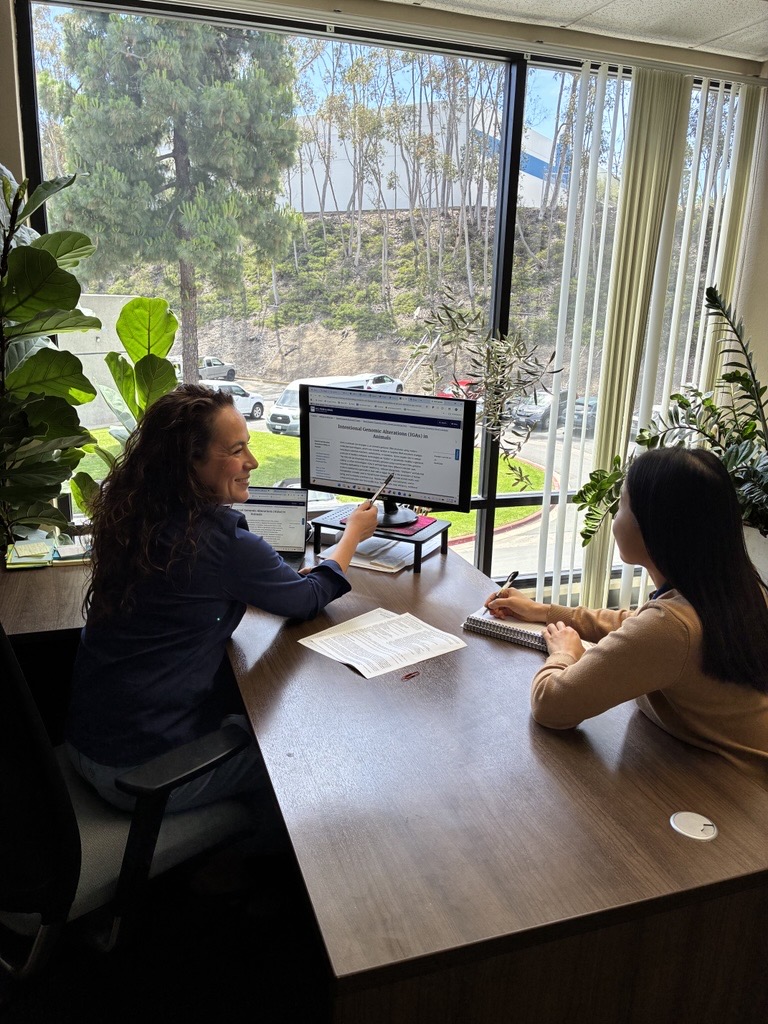
Q: Debbie, let’s start with a fundamental question. What is the difference between genetic modification and genome editing?
Plouffe: It’s an important distinction in the regulatory framework and a great place to start. Genetic modified organism, or GMO, typically refers to introducing new DNA, creating changes in a genetic sequence that wouldn’t occur naturally. Genome editing, on the other hand, is about making precise changes within an organism’s existing DNA.
With genome editing, and specifically in the scenario CAT will use the technology, no new DNA is added. We are creating changes that could happen through natural reproduction or conventional selective breeding in a shorter timeframe. It is precision breeding, not the creation of transgenics.
Q: Why have many regulators treated genome editing differently from GMOs?
Plouffe: Because the outcomes can be fundamentally different. In many genome editing applications, particularly SDN-1, the changes are indistinguishable from those that could occur naturally or through conventional breeding. No new DNA is present in the final organism.
As a result, many regulators are shifting toward risk-based frameworks that focus on the characteristics of the final product, rather than the technology used to create it. Countries such as the United States, Canada, Brazil, Japan, and Australia are already moving in this direction, which is helping open the door for responsible innovation.
We’re already seeing this approach in practice. Genome editing is being used commercially across agriculture and aquaculture, from crops like canola, banana, and rice to livestock such as pigs, cattle, and fish, demonstrating that these frameworks can support safe, real-world deployment.
This shift is important not just from a regulatory perspective, but also for building confidence more broadly, as regulatory clarity is often the foundation for acceptance of new technologies.
Q: You mentioned SDN-1. Can you explain what that means?
Plouffe: SDN-1, or Site-Directed Nuclease-1, is a form of genome editing that makes very small, precise changes to an organism’s existing DNA without adding any new genetic material. It works by creating a targeted cut in the DNA, which the cell then repairs naturally, resulting in a small change. These edits are similar to variations that could occur naturally or through conventional breeding, just achieved with greater precision and much faster.
Q: What does this all mean for commercial aquaculture operations?
Plouffe: It’s a game-changer. The key advantages of genome editing are precision and speed. In many aquaculture species, where generation times can span several years, conventional breeding delivers progress in relatively small, incremental steps across generations. Genome editing allows us to make significant improvements in a single generation, dramatically accelerating the pace of genetic gain.
Genome editing allows producers to target specific traits that are advantageous for farming such as growth efficiency and yield, disease resistance, or environmental tolerance, and achieve results in a fraction of the time required by conventional breeding alone.
Importantly, it also opens the door to traits that are difficult, slow, or even impossible to achieve through traditional breeding, including traits with low heritability, single-sex populations without hormone use, and reproductive sterility.
At CAT, our genome editing solutions include our Sterility+ technology, which delivers 100% sterility in aquaculture species. This acts as a robust biological containment measure, helping protect wild populations and ecosystems, while also supporting regulatory confidence that environmental risks, particularly those associated with enhanced production traits, are effectively managed.
In short, the benefits are clear: improved productivity and resilience for farmers, sustainable innovation for the industry, and consistent access to high-quality, affordable seafood for consumers, delivered more efficiently, with fewer resources, less waste, and reduced pressure on wild fisheries.
Q: What does the typical regulatory pathway look like for genome-edited products today?
Plouffe: As I mentioned, the regulatory process is becoming more structured and predictable in many jurisdictions, though it still varies by region. At CAT, we start by developing a regulatory strategy for each product based on where the animals are produced and, if applicable, where they will be sold. This may involve preparing a scientific dossier for submission, followed by agency review and, in some cases, post-approval compliance.
Importantly, seafood producers and breeders no longer have to navigate this alone. Clearer frameworks are emerging, and that’s critical for accelerating commercial adoption; something CAT actively supports.
Q: So, how is CAT supporting clients through this advancing landscape?
Plouffe: Our role goes beyond the technical skill of integrating genome editing into practical breeding programs. We often hear that our partners and their stakeholders are concerned about acceptance of genome editing in food production, and regulatory approval is really the foundation of that acceptance. So, we partner closely with our clients to define and execute clear regulatory strategies and achieve regulatory determinations.
Ultimately, our focus is on creating a clear and efficient path to market.
Q: Looking ahead, where do you see genome editing in aquaculture over the next five years?
Plouffe: Over the next five years, genome editing, particularly SDN-1 approaches, will move from innovation to implementation. As regulatory frameworks continue to align, these technologies will be integrated into breeding programs and deliver products at commercial scale.
This isn’t about replacing traditional breeding, but enhancing it; adding precision and speed to existing programs. The opportunity is clear, but timing matters. Companies that invest now in regulatory strategy and stakeholder engagement will be best positioned as the market continues to open.
Debbie concluded, “Genome editing has moved beyond research; it now has a clear path to commercialization. As regulatory clarity improves, it is becoming a practical tool to help aquaculture scale sustainably. For an industry facing real resource constraints, this is going to be an important part of the solution.”
The post Regulatory Pathways and the Road to Commercialization of Genome Editing in Aquaculture: A Conversation with Debbie Plouffe of CAT appeared first on CAT-Center for Aquaculture Technologies.
Apa Reaksi Anda?
 Suka
0
Suka
0
 Kurang Suka
0
Kurang Suka
0
 Setuju
0
Setuju
0
 Tidak Setuju
0
Tidak Setuju
0
 Bagus
0
Bagus
0
 Berguna
0
Berguna
0
 Hebat
0
Hebat
0