































The people factor: Why better hatchery management still drives flock performance

Improving hatchery management can deliver measurable gains across broiler production systems, from stronger early chick health to better flock performance and more predictable production outcomes, according to a hatchery expert.
Rodney Johnson, hatchery specialist with Boehringer Ingelheim, says managers who prioritize strong communication, well-defined processes and consistent monitoring of key indicators often see improvements not just in hatchability and early livability, but also in team morale and operational efficiency.
At a time when many hatcheries are working with older equipment, limited labor pools and increasing management demands, Johnson says focusing on the fundamentals of hatchery management — from incubation to sanitation, vaccination and management style — is vital.
“The hatchery is where it all begins. It’s where flock performance starts,” he says. “If birds have issues during incubation that affect chick quality or embryonic development, if they’re dehydrated or they don’t go to feed and water immediately when they get to the house, they’re not going to live and perform well.”
Bird performance in the first week after placement is especially important in terms of growth rates, as performance lost during this early stage can be difficult to recover later in the production cycle, Johnson explains. A well-run hatchery, therefore, reduces pressure on the rest of the production chain.
“If the hatchery does its job and does a really good job, it makes it easier on everyone in live production — from the farmer out in the field to the live production management team trying to manage that flock.”
Defining chick quality
In practical terms, Johnson says chick quality is the major indicator of hatchery performance.
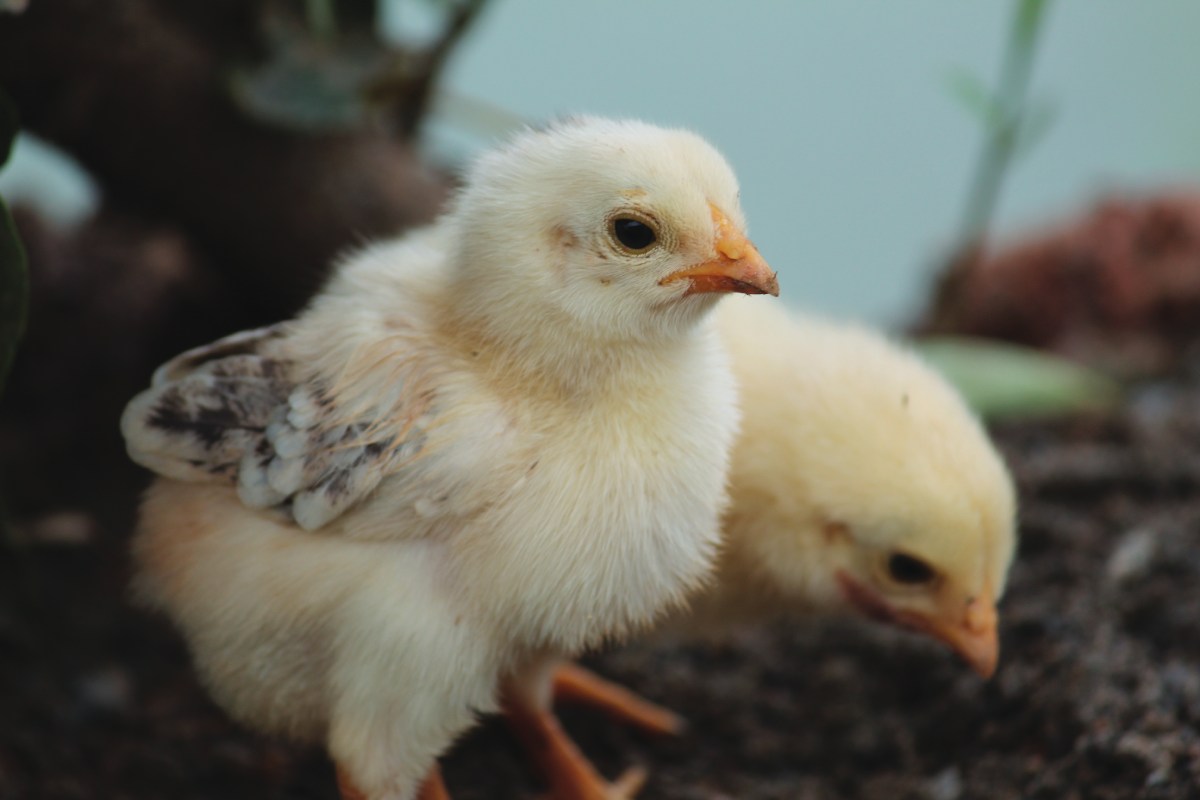
“To me, a high-quality chick will be one that isn’t dehydrated, doesn’t have red hocks and doesn’t have any navel issues or bacterial infection,” he says. “It’s basically a very healthy chick without major issues caused by sanitation problems or poor incubation in the hatchery.”
Egg management during incubation plays a major role in achieving that outcome, with careful control of the incubation environment and consistent adherence to quality assurance (QA) programs being key to protecting embryo development.
“The incubation process is vital,” he says. “You need good QA programs, sanitation programs and maintenance in the hatchery.”
Embryos can be particularly sensitive to environmental stress, and Johnson says that problems during incubation may not become visible until well after chicks have been placed on the farm.
“You can stress an embryo at 14 days and then see the effects once it gets on the farm a week and a half later,” he explains.
Several factors can trigger those stressors, including high heat in the incubator, improper turning, lack of humidity or incorrect humidity levels. However, Johnson says it’s important not to assume that one standard set of conditions will work for every hatchery, or to assume that the same conditions will suit a hatchery year-round.
“There’s no golden rule temperature that works everywhere,” Johnson says. “It depends on the type of incubator and the environment you’re operating in.
“Look at the manufacturer’s recommendations first. Then look at the chicks when they hatch. Let the chicks tell you what temperature and humidity you need, because they’ll tell you pretty quick.”
Eggshell temperatures can also provide valuable feedback, he adds.
“On Chick Master multi-stage machines, I like to see eggshell temperatures around 100.5 to 102°F (38.1 to 38.9°C). On Jamesway machines, crossbar temperatures should be around 100.3 to 100.5°F (37.9 to 38.1°C).”
Sanitation and vaccination
Beyond incubation management, Johnson says sanitation and vaccination programs are two of the most important tools hatcheries have to protect chick health.
“Biosecurity and cleanliness are huge,” he says. “You almost have to think of the hatchery like a hospital environment.”
Routine microbial monitoring can help managers identify sanitation problems early, and Johnson suggests conducting plating tests every week until a baseline is established, after which testing can be carried out each month to ensure standards are maintained.
Particular attention should be paid to hatch trays, which come into contact with multiple areas of the hatchery environment. Because newly hatched chicks often have slightly open navels, contaminated surfaces can introduce bacteria directly into the chick’s system.
Vaccination programs are equally critical, particularly given the substantial investments integrators make in disease prevention.
“Making sure the vaccine actually gets into the birds is key,” Johnson says.
“If a bird faces a disease challenge without that protection, it will struggle. Effective hatchery vaccination gives chicks time to develop immunity before facing those challenges in the field.”
Monitoring performance
When it comes to evaluating hatchery performance, Johnson says hatchability and 7-day mortality provide the clearest feedback.
“Right now, our industry average is about 79% hatchability. If I go to a hatchery and they’re at 82% or 83%, they’re doing well,” he says.
Seven-day mortality provides an equally important measure of chick quality and early flock health. Although figures have increased slightly over the past 2 decades, Johnson says hatcheries achieving mortality rates between 1% and 1.3% are performing strongly by today’s standards.
Tracking these metrics over time can also help hatchery teams identify improvements and maintain motivation.
“A lot of places now put their goals in the break room,” Johnson says. “Then, as they hatch every day, their hatch percentage goes on the whiteboard so the staff can see where they stand.”
The workforce challenge
Despite the importance of technical factors, Johnson says the most significant challenge facing hatcheries today is labor.
“It’s incredibly hard to find people who want to work in a hatchery, and it’s incredibly hard to retain them once you do,” he says. “It runs 24 hours a day, 7 days a week. Someone has to work every holiday. And the environment can be tough — hot and dusty one minute, damp and wet the next because you’re constantly cleaning.”
Because of these challenges, Johnson says effective leadership and team engagement are essential.
“You have to make them feel like a team,” he says. “When things are going well, share the wins with them. Let them know they were part of the success.
“Sometimes management has a catered lunch or small prizes when they reach a goal. Those kinds of things don’t cost much, but they can really improve morale.”
Providing training opportunities and clear career pathways can also help employees remain engaged with the industry.
“When you train people, there should be a path for them to move up,” Johnson adds. “If someone feels like they’ll be doing the same entry-level job forever, morale can drop very quickly.”
Leadership and communication
Across the many hatcheries he visits, Johnson says strong communication and leadership are key traits among the most successful operations.
“The best hatchery managers incorporate themselves into the team rather than acting like the boss. They spend time on the production floor each day to really understand what’s happening.
“When you arrive in the morning, don’t go straight to your office,” he adds. “Go to the back of the hatchery first. Talk to your employees, ask what they’re seeing and check with maintenance about what’s happening with the incubators, hatchers, HVAC and chick processing equipment.”
As well as strengthening trust with staff, this approach is particularly important in hatcheries operating with older equipment, where effective maintenance planning and communication can help extend equipment life and maintain performance.
Building a resilient hatchery
Looking ahead, Johnson believes successful hatcheries will continue to depend on three core principles: consistent communication with staff, well-maintained equipment and rigorous sanitation and quality assurance programs.
These fundamentals may not be new, but Johnson says they offer the most reliable approach to improving hatchery performance and supporting the wider production system.
“The overall goal is simple,” he says. “More chicks and healthy chicks.
“And for hatcheries aiming to improve performance, the foundation is always the same — the hatcheries that have a stable workforce and good teamwork almost always perform better.”
The post The people factor: Why better hatchery management still drives flock performance appeared first on Modern Poultry.
Apa Reaksi Anda?
 Suka
0
Suka
0
 Kurang Suka
0
Kurang Suka
0
 Setuju
0
Setuju
0
 Tidak Setuju
0
Tidak Setuju
0
 Bagus
0
Bagus
0
 Berguna
0
Berguna
0
 Hebat
0
Hebat
0