
































The Role of Chews in Managing Dog Anxiety

Anxious dogs are more common than most Indian pet parents realise. Thunderstorms, Diwali fireworks, apartment chaos, and long hours home alone can all leave your dog pacing, panting, or destroying cushions. Chews are one of the simplest, most natural tools you can use to help.
Chewing is not just a habit. It is a calming activity that actually changes your dog's brain chemistry. This guide covers how chews help with dog anxiety, which types work best, when to offer them, and how to build a routine that keeps your pet calm through stressful moments.
Understanding Dog Anxiety
Dog anxiety shows up in many ways. Some signs are loud and obvious. Others are easy to miss.
Common signs include:
-
Excessive barking or whining
-
Pacing, trembling, or restlessness
-
Destructive chewing on furniture, shoes, or walls
-
Loss of appetite or sudden hunger
-
Hiding, clinging, or shadowing you everywhere
-
Excessive panting, drooling, or shedding
-
Soiling indoors despite being house trained
Typical anxiety triggers for Indian dogs include fireworks during Diwali and weddings, thunderstorms through monsoon, long crate time during work hours, new environments, vet visits, loud construction, and even the arrival of guests.
Anxiety is not bad behaviour. It is your dog trying to cope with something overwhelming. The American Veterinary Medical Association notes that unmanaged anxiety can lead to chronic stress, weakened immunity, and behavioural issues that worsen with age. Addressing it early with simple tools like chews makes a real difference.
How Chewing Calms the Canine Brain
Chewing works on a dog's anxiety at a biological level.
-
Releases endorphins: Steady chewing triggers calming brain chemicals, similar to how humans feel relaxed after exercise.
-
Lowers cortisol: Chewing helps reduce cortisol, the stress hormone that spikes during fear or overstimulation.
-
Provides focus: Gnawing keeps the mind busy on a single task, cutting through the scattered energy of anxiety.
-
Satisfies instinct: Dogs are hardwired to chew. When they cannot, stress builds. A safe chew releases that natural drive.
-
Acts as a sensory anchor: The texture and smell of a good chew give an anxious dog something familiar to focus on during chaotic moments.
-
Supports self-soothing: Like humans who fidget during stress, dogs self-regulate through repetitive actions.
PetMD notes that chewing is one of the most recommended behavioural management tools for mild to moderate anxiety. Combined with training and environmental changes, chews can meaningfully reduce stress levels over time.
Best Types of Chews for Anxiety Relief
Not all chews work the same way for anxious dogs. Look for options that last long enough to sustain focus.
-
Himalayan Yak Cheese Chews: Long lasting and fully digestible. A single chew can hold an anxious dog's attention for hours, perfect for thunderstorm evenings.
-
Bully Sticks: Single-ingredient, high-protein chews dogs find irresistible. The steady rhythm settles many anxious pups within minutes.
-
Natural Rubber Chew Toys: Stuffable rubber toys let you freeze treats inside for a longer focus session. Great for separation anxiety during work hours.
-
Frozen Lick Mats: Smearing curd, peanut butter, or pumpkin on a textured mat creates a licking activity that is deeply calming.
-
Beef Tendons and Trachea: Softer natural chews that work well for senior dogs or those with dental sensitivity.
-
Long-Lasting Dental Chews: Textured daily chews that double as a calming routine after walks or before bedtime.
-
Coffee Wood Chews: Calorie free and long lasting. Ideal for weight-conscious dogs with anxiety.
-
Treat-Dispensing Puzzle Chews: Combine chewing with mental work. Perfect for high-energy anxious breeds like Border Collies, Beagles, and Indies.
-
Calming Supplement Chews: Treats infused with natural calming ingredients like chamomile, L-theanine, or hemp. Use under vet guidance.
Rotate two or three types across the week to keep your dog engaged. Store chews in airtight jars during Indian monsoon to keep them fresh.
When to Offer Anxiety-Calming Chews
Timing matters as much as the chew itself. Offer chews just before or during anxiety triggers, not after your dog is already panicking.
Ideal moments to offer a calming chew:
-
Before a thunderstorm starts building in the monsoon sky
-
During Diwali evenings, 30 minutes before the fireworks begin
-
When you leave for work, as part of a departure routine
-
Before guests arrive at the house
-
During car rides to the vet or groomer
-
Before bedtime as part of a wind-down ritual
Giving a chew after full-blown panic rarely works because the anxious brain cannot refocus. Prevention through routine works much better. Combine chews with soft music, a familiar blanket, and a calm voice for the best effect.
How to Build a Calming Chew Routine
Consistency is what turns chews into a true calming tool.
-
Offer chews at the same time every day, ideally paired with predictable triggers
-
Create a dedicated safe space where your dog goes to chew, like a bed or crate
-
Dim lights and lower household noise during anxiety-focused chew sessions
-
Pair chews with a calm tone and gentle praise
-
Keep fresh water nearby, especially with dry chews
-
Track which chews calm your dog fastest and stick with those
Over a few weeks, your dog will associate certain chews with calm. The chew itself becomes a signal that stress is manageable.
Chews to Avoid for Anxious Dogs
Some popular chew options can worsen anxiety or cause safety issues:
-
Cheap rawhide: Risk of choking and stomach upset, which only worsens stress
-
Whole antlers: Too hard for anxious gulpers and may crack teeth
-
Cooked bones: Splinter risk and emergency visits
-
Artificial coloured chews: Additives can worsen hyperactivity in sensitive dogs
-
Small chews for large dogs: Choking hazards during stressful moments
-
Treats with sugar or caffeine: Never calming, always stimulating
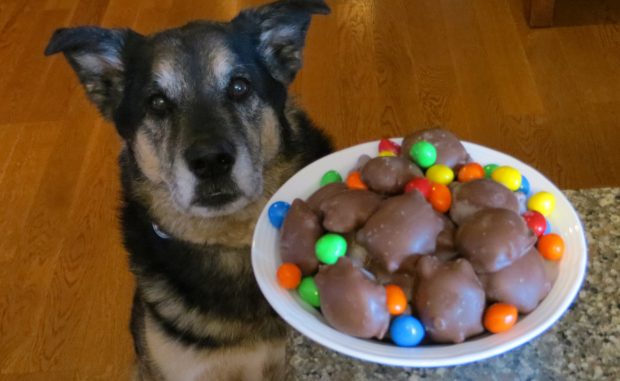
The ASPCA warns that certain additives and human foods like chocolate, xylitol, and onion powder are toxic to dogs. Always read labels carefully.
When Chews Are Not Enough
Chews are helpful but not a cure-all. Some dogs need more support than a chew alone can offer.
Consider professional help if your dog:
-
Panics during every trigger, not just occasionally
-
Destroys the home when left alone
-
Self-harms by excessive licking or pacing
-
Shows aggression or sudden behaviour changes during stress
-
Has anxiety that worsens over time
A certified dog trainer or veterinary behaviourist can create a plan that combines training, environment changes, chews, and, when necessary, medication. Your vet is a great first stop for a proper evaluation.
FAQs
Do chews really help with dog anxiety?
Yes. Chewing releases calming brain chemicals and lowers cortisol, the stress hormone. Regular, supervised chewing helps dogs self-soothe during stressful moments like thunderstorms, fireworks, or alone time. Chews work best alongside training and a calm environment.
What is the best chew for a dog with separation anxiety?
Frozen stuffed rubber toys, Himalayan yak cheese chews, and lick mats with curd or peanut butter are among the best options. These chews last long enough to distract your dog through the first 30 to 60 minutes, which is usually when separation anxiety peaks.
Can calming chews replace vet-prescribed anxiety medication?
No. Calming chews help with mild to moderate anxiety. Severe cases, such as dogs that panic every time you leave or react violently to storms, need professional guidance. Chews can support, but not replace, medical care.
How long do calming chews take to work?
Regular chews start calming most dogs within 5 to 10 minutes of chewing. Calming supplement chews containing ingredients like L-theanine or chamomile may take 20 to 40 minutes to take effect.
Can I use calming chews for puppies with anxiety?
Yes, but choose soft, digestible options. Bully sticks, beef tendons, and rubber teething toys stuffed with curd work well for anxious puppies. Avoid hard antlers or nylon bones for young dogs.
Final Thoughts
Chews are one of the simplest, most accessible tools for managing dog anxiety. They work with your dog's biology, not against it, and fit easily into daily life. Build a calming chew routine around predictable triggers, rotate safe options, and pair chews with a stable environment.
Browse PetsWorld's dog treats and chews collection to find long-lasting, anxiety-friendly options for your pet.
Apa Reaksi Anda?
 Suka
0
Suka
0
 Kurang Suka
0
Kurang Suka
0
 Setuju
0
Setuju
0
 Tidak Setuju
0
Tidak Setuju
0
 Bagus
0
Bagus
0
 Berguna
0
Berguna
0
 Hebat
0
Hebat
0