




















































%20and%20Batch%20Production%20Records%20(BPR).png)
















AI-Designed Synthetic CRISPR-Like Nucleases Show Activity in Cells

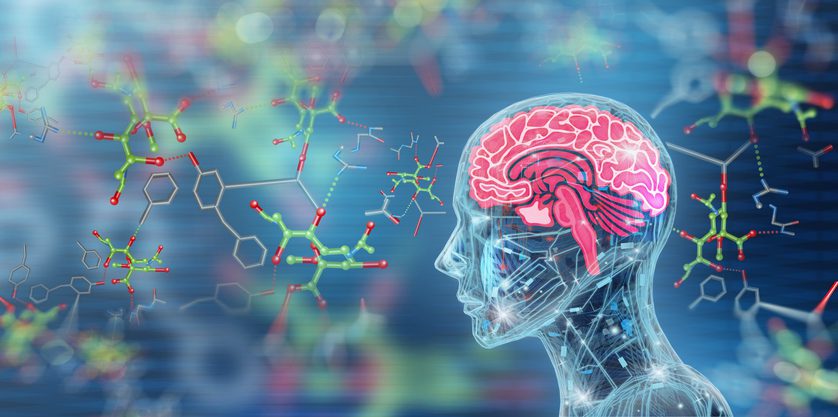
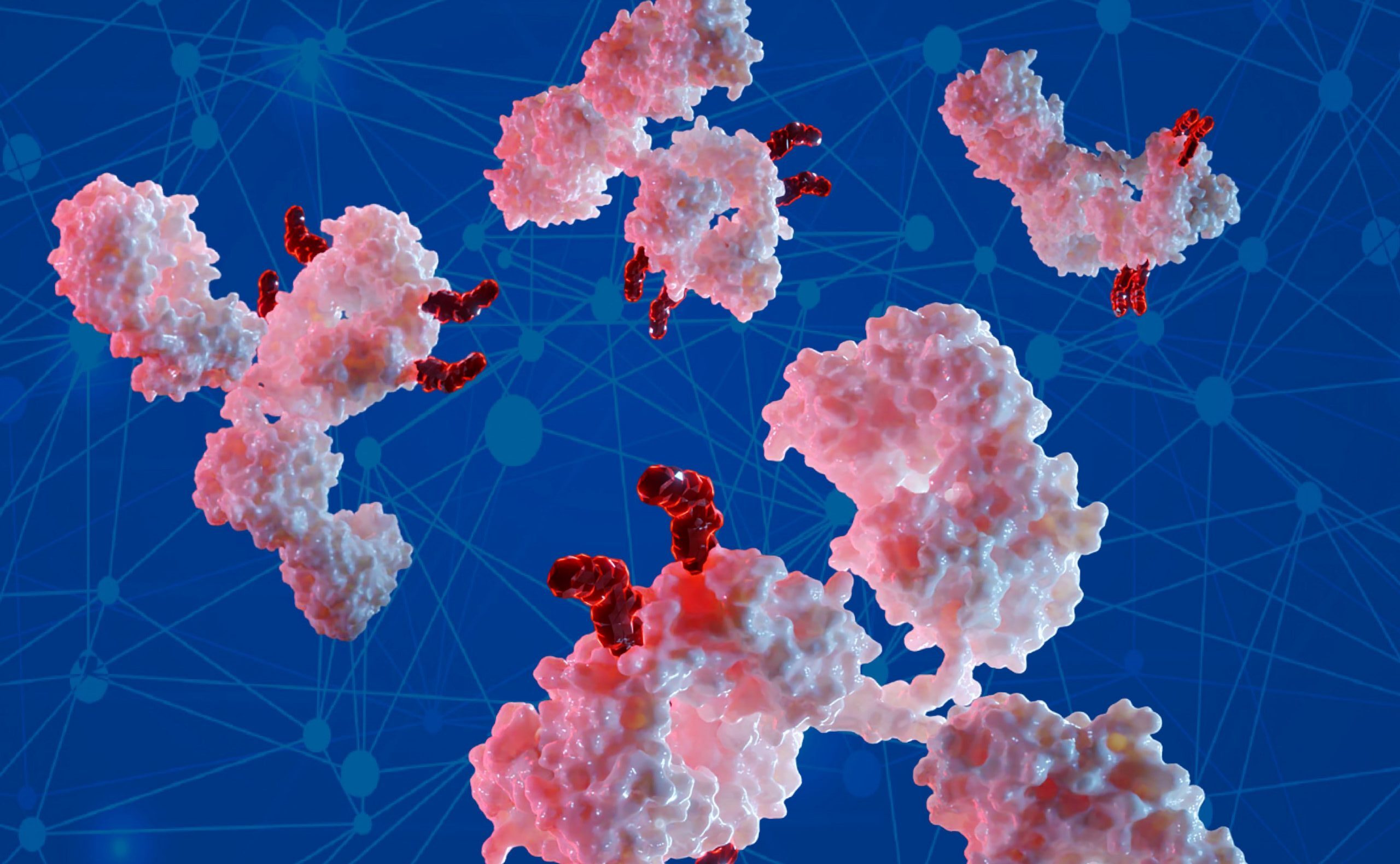
A new paper published in Science describes using artificial intelligence (AI) to design functional synthetic RNA-guided nucleases whose activity matches or exceeds that of natural enzymes. In the paper, titled “Structure and evolution-guided design of minimal RNA-guided nucleases,” the scientists wrote that the results “establish a strategy for creating non-natural RNA-guided nucleases and conformationally active nucleic acid binders, enlarging the designable protein space.”
The team includes scientists from Innovative Genomics Institute and the California Institute for Quantitative Bioscience, both at the University of California, Berkeley, and collaborators at other institutions.The findings highlight AI’s ability to expand the CRISPR toolbox to include RNA-guided nucleases with novel properties beyond those found in nature. It is a task that has been challenging for protein design methods because of the complexity of multi-domain proteins, “whose activity depends on coordinated RNA and DNA recognition, activation, and cleavage by distinct conformational states,” the scientists wrote. As such, seemingly small changes can disrupt enzyme activity.
Sequence-based biological language models have been used to successfully design new nucleases by inferring sequence-function relationships, but they often produce versions of these proteins that closely resemble the reference sequences used to train them. Meanwhile, structure-guided rational design approaches, which “offer a robust strategy to sample highly divergent protein sequences” as well as “structures not found in nature” have been used to generate things like dynamic switches and DNA binders. However, designing complex proteins like RNA-guided nucleases with multiple functional domains and conformations has remained challenging for these methods.
In the Science paper, the scientists present an alternate strategy for generating novel functional proteins that combines the ESM Inverse Folding (ESM-IF1) model with evolution-informed residue constraints. As a test case, they used it to generate new variants for TnpB, a family of CRISPR-cas12-like nucleases that mediate RNA-guided DNA cleavage and regulate transcription among other tasks. Members of this enzyme family are “an attractive target for protein design because they couple programmable DNA targeting and a variety of natural functions to a minimal architecture,” the scientists explained in the paper.
The results showed that compared to sequence-based biological language models which generated proteins with binding domains with over 99% identity to natural homology, their approach created “DNA- and RNA-interacting lobes with AI-generated contacts that had 83% and 72% identity to their closest counterparts in nature.”
As part of the study, the scientists screened the activity of the designed proteins, dubbed SynTnpBs, first in the bacterial cells and then selected the most active ones for further testing in plant and human cells. They also used cryo-electron microscopy to determine the structures of the most divergent variants. Their analysis showed that many AI-designed nucleases either retained or surpassed the activity of natural TnpB in multiple cell types. Microscopy studies further revealed that the engineered proteins formed new electrostatic and hydrogen-bonding networks that stabilize interactions at the RNA-DNA interface across different conformations.
The post AI-Designed Synthetic CRISPR-Like Nucleases Show Activity in Cells appeared first on GEN - Genetic Engineering and Biotechnology News.
Apa Reaksi Anda?
 Suka
0
Suka
0
 Kurang Suka
0
Kurang Suka
0
 Setuju
0
Setuju
0
 Tidak Setuju
0
Tidak Setuju
0
 Bagus
0
Bagus
0
 Berguna
0
Berguna
0
 Hebat
0
Hebat
0