








































%20and%20Batch%20Production%20Records%20(BPR).png)















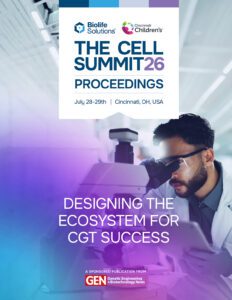
Designing the Ecosystem for CGT Success

Preserving the Promise: Insights from The Cell Summit ’26
In July 2026, BioLife Solutions welcomed leaders from across the cell and gene therapy (CGT) space to Cincinnati, Ohio for the second annual Cell Summit. Once again, our goal was simple: bring together people with different perspectives, from across the CGT ecosystem, to create an environment where we could speak openly about the challenges standing between scientific innovation and successful patient treatment.
Cell and gene therapy has already demonstrated what is scientifically possible. CAR T therapies, gene therapies, and other advanced medicines have delivered outcomes that would have been unimaginable only a generation ago.
The next challenge is scale.
Mature healthcare industries demonstrate what coordinated scale can look like. Vaccines can be manufactured and distributed globally at enormous volumes. Insulin is produced continuously and reliably for millions of patients. These industries did not reach that scale through manufacturing capacity alone. They developed interconnected systems of production, supply, distribution, clinical delivery, reimbursement, infrastructure, standards, and oversight that work together repeatedly and predictably.
CGT is still building that system.
As Steven Thompson challenged attendees with his welcome address at The Cell Summit, the question is no longer simply whether these therapies can work. The question is whether the industry can build a system that reliably converts scientific proof into patient access, delivered doses, durable outcomes, and ultimately a sustainable commercial model.
That question became the foundation for the conversations that followed.
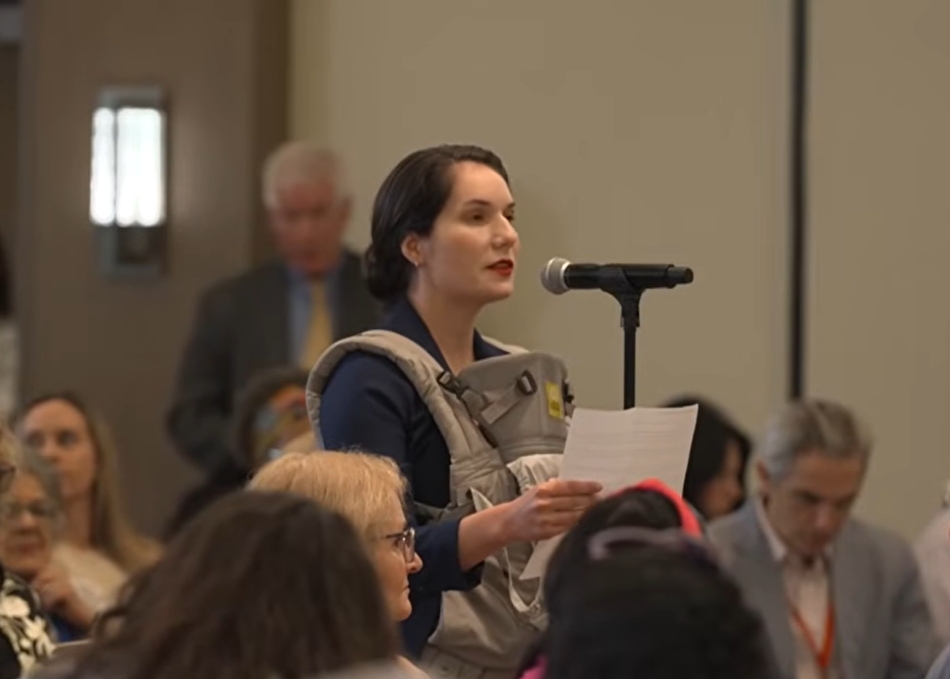
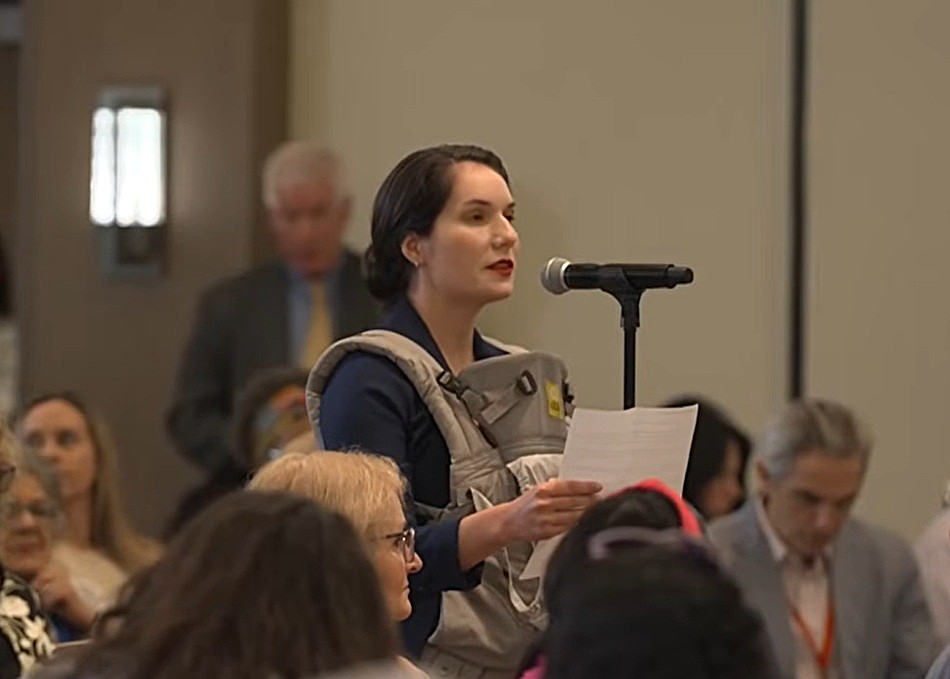
Scientists, therapy developers, clinicians, treatment centers, technology providers, manufacturing experts, and other industry leaders examined the CGT pathway from multiple angles. On the second day of the meeting, eight roundtable groups explored real-world challenges spanning scale-up, scale-out, logistics, manufacturing readiness, CDMO partnerships, commercialization strategy, rare disease reimbursement, and public perception.
Although each group approached their problems from different perspectives, the discussion repeatedly arrived at the same conclusion: scale is an operating system, not a single workstream.
Manufacturing, reimbursement, care delivery, logistics, partnerships, data, governance, evidence, and trust are interdependent. An eligible patient must be identified and referred. A product must be collected or manufactured. A dose must reach the treatment center at the right time and in the right condition. The patient must be able to receive treatment. The therapy must deliver the intended outcome. And the economics must support doing it again for the next patient.
If one link breaks, patients wait and the commercial model weakens.
A manufacturer may successfully release a product, but if the treatment center is not ready, the patient still waits. A treatment center may be prepared, but if reimbursement is unresolved, treatment may not proceed. A therapy may demonstrate remarkable clinical benefit, but if manufacturing, logistics, infrastructure, or economics cannot support repeatable delivery, that scientific success will struggle to reach its full potential.
The opposite is equally true.
When the links connect, more appropriate patients can receive treatment, delivery becomes more predictable, resources are used more efficiently, and the commercial model becomes sustainable.
This is the opportunity in front of CGT: not simply to optimize each individual function, but to design the interfaces between them.
This proceedings eBook, developed in partnership with GEN (Genetic Engineering & Biotechnology News) and Cincinnati Children’s Hospital Applied Gene and Cell Therapy Center, captures perspectives and lessons from The Cell Summit ’26 and extends the conversation beyond the meeting itself. It brings together scientific, clinical, manufacturing, and operational viewpoints around a common question: What must be true for CGT to move from scientific possibility to repeatable, sustainable delivery?
The first Cell Summit (in 2025) asked how we could work together to improve the development and delivery of cell therapies. This year reinforced that collaboration is not simply beneficial to CGT advancement; it is fundamental to it.
A therapy is not successful when it leaves the manufacturing site. It is successful when it reaches and helps the patient, as intended.
We hope these proceedings encourage continued discussion, challenge conventional thinking, and help our community design the CGT ecosystem as deliberately as we design the therapies themselves.
Thank you to our speakers, roundtable leads, attendees, and partners who shared their expertise, challenged assumptions, and made The Cell Summit ’26 possible.
The post Designing the Ecosystem for CGT Success appeared first on GEN - Genetic Engineering and Biotechnology News.
Apa Reaksi Anda?
 Suka
0
Suka
0
 Kurang Suka
0
Kurang Suka
0
 Setuju
0
Setuju
0
 Tidak Setuju
0
Tidak Setuju
0
 Bagus
0
Bagus
0
 Berguna
0
Berguna
0
 Hebat
0
Hebat
0