























































%20and%20Batch%20Production%20Records%20(BPR).png)
















Intraoperative use of Indocyanine Green Fluorescence Reduces Anastomotic Leaks during colorectal surgery: Study


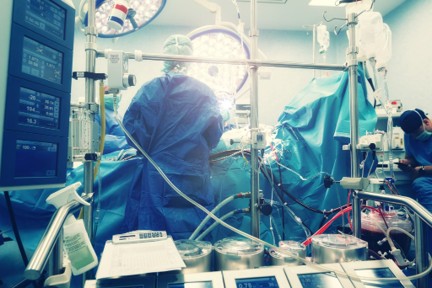
A recent systematic review and meta-analysis published in The Lancet Gastroenterology & Hepatology found that intraoperative use of indocyanine green (ICG) fluorescence angiography during colorectal surgery is associated with a reduced risk of anastomotic leaks, particularly in rectal and left-sided resections.
Surgical connection between two sections of the bowel could fail, which leads to leakage of intestinal contents. This complication can result in severe infection, prolonged hospitalization, and even death. Traditionally, surgeons rely on visual inspection and clinical judgment to assess blood flow to the bowel before completing the connection. However, ICGFA offers a more objective, real-time method by using fluorescent dye to visualize tissue perfusion intraoperatively.
This research analyzed data exclusively from randomized controlled trials and included 9 trials involving a total of 4,754 patients undergoing colorectal resection with primary anastomosis. Databases such as PubMed, Embase, and the Cochrane Library were searched up to July 2025, following rigorous PRISMA guidelines.
The patients whose surgeries incorporated the imaging technique experienced a 34% reduction in overall anastomotic leak rates when compared to those assessed with standard methods alone. The number needed to treat (NNT) revealed that for every 24 patients treated with ICGFA, one leak could be prevented.
Further analysis showed that ICGFA reduced both severe leaks requiring intervention and less severe leaks not requiring additional procedures. The benefits were especially pronounced in left-sided colorectal surgeries, rectal resections, and low anterior resections, the procedures which were traditionally associated with higher leak risks. Here, the NNT dropped as low as 13, which indicated even greater clinical impact.
This study found no significant benefit for right-sided resections. Also, a meta-regression analysis identified patient body mass index (BMI) as a key factor influencing outcomes. The protective effect of ICGFA increased with higher BMI, highlighting that patients with obesity may benefit most from the technology.
Through trial sequential analysis, this study was confirmed to be robust with sufficient data to draw firm conclusions. Overall, this study suggest that the routine use of ICGFA in left-sided and rectal colorectal surgeries should now be strongly considered. Further research on proving benefit and more on optimizing implementation and identifying specific patient groups who stand to gain the most is needed.
Source:
Ryan, É. J., Ryan, O. K., Corrigan, N., Ainsworth, G., Hilling, D. E., Vahrmeijer, A. L., Kössi, J., Watanabe, J., Jayne, D., & Cahill, R. A. (2026). Indocyanine green fluorescence angiography for anastomotic perfusion assessment in colorectal surgery: a systematic review with meta-analysis, meta-regression, and trial sequential analyses. The Lancet. Gastroenterology & Hepatology. https://doi.org/10.1016/S2468-1253(25)00373-5
Apa Reaksi Anda?
 Suka
0
Suka
0
 Kurang Suka
0
Kurang Suka
0
 Setuju
0
Setuju
0
 Tidak Setuju
0
Tidak Setuju
0
 Bagus
0
Bagus
0
 Berguna
0
Berguna
0
 Hebat
0
Hebat
0