





































%20and%20Batch%20Production%20Records%20(BPR).png)















Why antibiotics often fail in peri-implantitis treatment
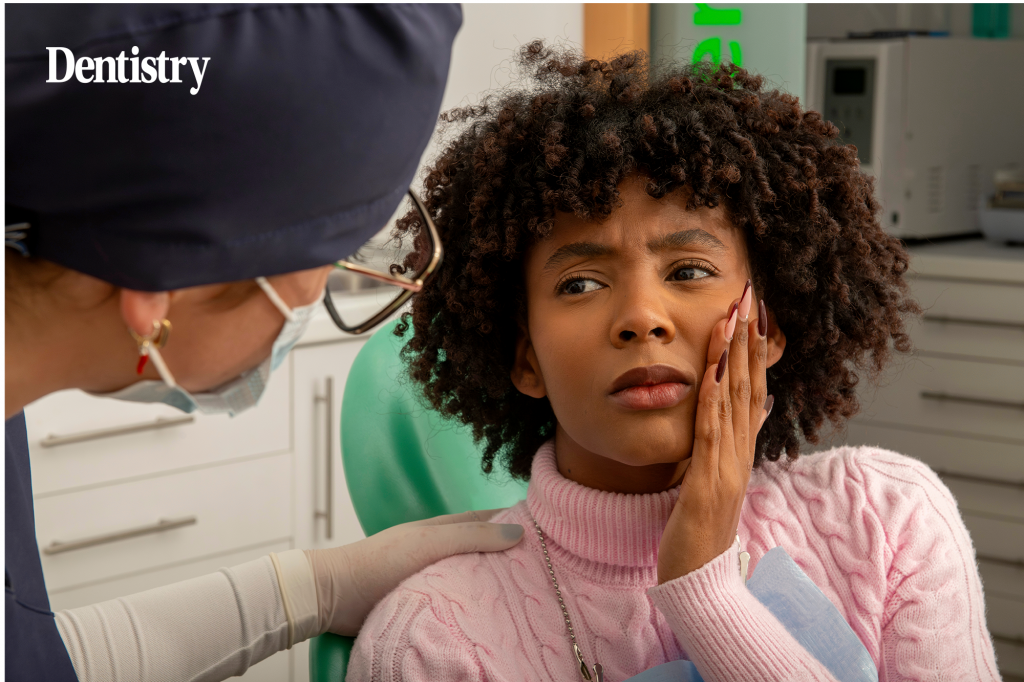
Researchers have identified a specific immune mechanism that could help explain why peri-implantitis treatment with antibiotics often fails, pointing to a potential drug target for a condition affecting up to one in five implant patients.
The study, published in PNAS Nexus by researchers at Rutgers School of Dental Medicine in the United States, found that bacteria corrode implant surfaces, causing them to shed microscopic titanium particles into surrounding tissue.
Those particles then interfere with the immune cells sent to clear the infection, locking them into a state of chronic inflammation that destroys the jawbone they are meant to protect.
‘For the first time, we show why all the antibiotic treatments that work around teeth do not work around implants,’ said Georgios Kotsakis, the study’s senior author and assistant dean for clinical research at Rutgers School of Dental Medicine. ‘Now that we know the cause, we can start developing therapeutics.’
The mechanism
Peri-implantitis has long presented a clinical puzzle. It begins with the same oral bacteria as periodontitis, yet treatments that resolve infection around natural teeth succeed less than half the time around implants, while bone loss continues.
Previous research focused largely on the bacteria themselves, the Rutgers team said. So they looked instead at the implants.
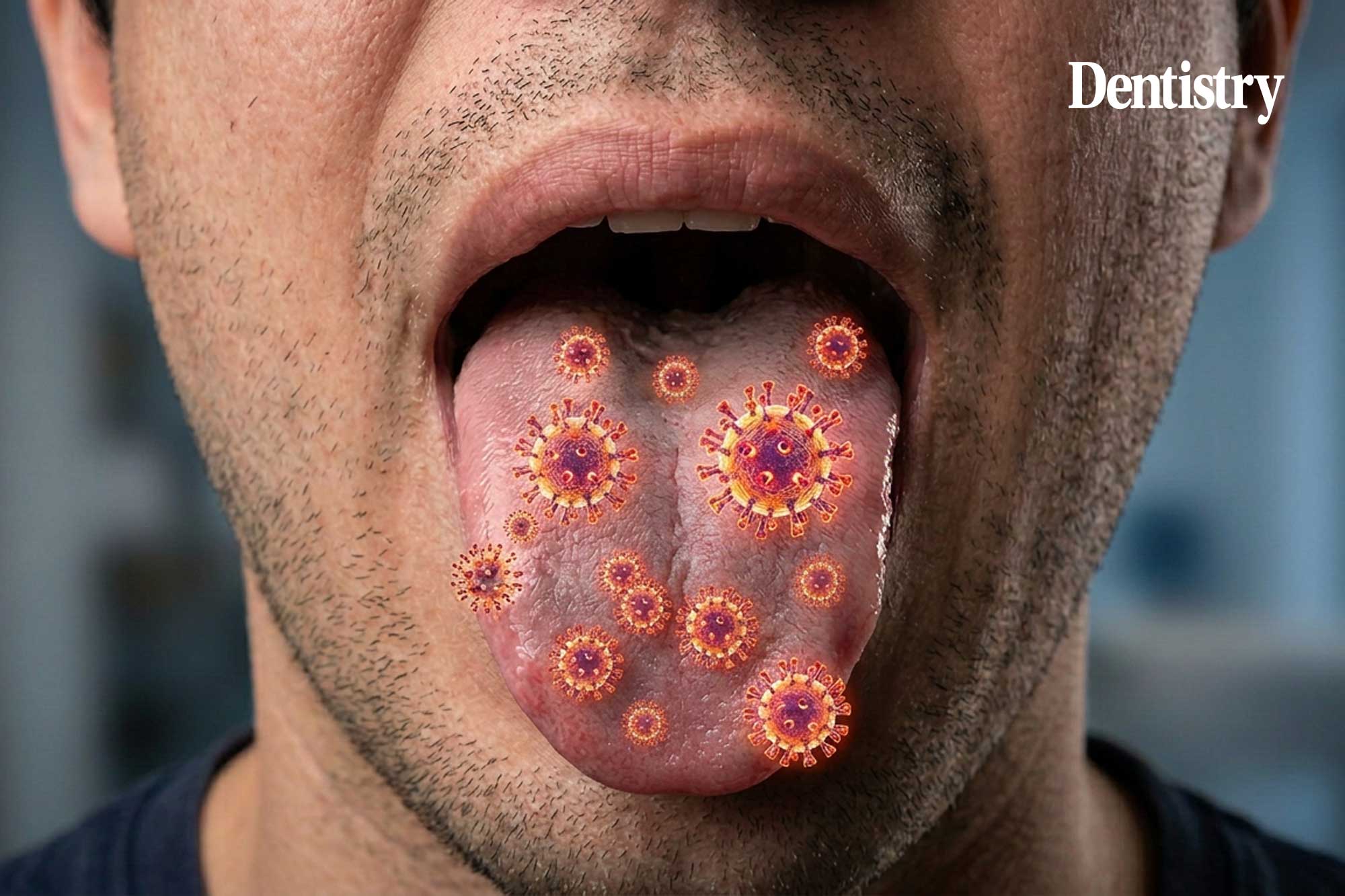
Bacteria living on implant surfaces produce acidic biofilms that corrode the titanium, releasing billions of particles smaller than a red blood cell. Those particles become coated with lipopolysaccharide, a bacterial toxin, causing them to resemble oversized, indigestible bacteria to the immune system.
Macrophages – white blood cells that surround and destroy microorganisms – engulf the particles but cannot digest metal. The cells become trapped in a hyperinflammatory state, producing signalling molecules including interleukin-1 beta, an inflammatory protein also implicated in rheumatoid arthritis and Alzheimer’s disease.
At the same time, their ability to clear the original bacterial infection is severely compromised. In the lab, macrophages exposed to titanium particles took up fewer than half as many bacteria as unexposed cells.
‘These particles are little magnets that attract the bacterial toxin, and they hijack the immune system, preventing it from clearing bacteria,’ said Kotsakis. ‘You have a perfect storm that defies antibiotics.’
A potential drug target
Working with human tissue samples, cultured human immune cells and a genetically engineered mouse model, the team traced the inflammatory cascade to a calcium channel called transient receptor potential canonical 1 (TRPC1).
In mice without it, immune cells handled the same titanium-plus-bacteria challenge normally. Abscesses were significantly smaller, inflammatory markers dropped and bacterial clearance was restored.
Funded by the National Institutes of Health, the team is now testing drug candidates targeting the same pathway in human cells in the laboratory.
What this means in the clinic now
For clinicians managing implant patients, the most immediately relevant finding concerns cleaning technique.
The findings support the move away from metal scalers for implant maintenance, after this study and previous research has shown they can corrode implant surfaces and accelerate particle shedding. Non-abrasive techniques are now considered standard, and the research provides a clearer mechanistic rationale for that shift.
Peri-implantitis affects an estimated 10% to 20% of implant patients and costs the global health system more than US$1 billion a year.
Follow Dentistry.co.uk on Instagram to keep up with all the latest dental news and trends.
Apa Reaksi Anda?
 Suka
0
Suka
0
 Kurang Suka
0
Kurang Suka
0
 Setuju
0
Setuju
0
 Tidak Setuju
0
Tidak Setuju
0
 Bagus
0
Bagus
0
 Berguna
0
Berguna
0
 Hebat
0
Hebat
0