
































%20and%20Batch%20Production%20Records%20(BPR).png)










More than a cosmetic issue: why aligner hygiene matters for oral and overall health
Clear aligners have transformed modern orthodontics, providing patients with a discreet and effective alternative to fixed appliances. As treatment continues to grow in popularity, clinicians are placing increasing emphasis on treatment planning, staging and clinical outcomes. However, one aspect of aligner therapy that can be more difficult to manage consistently is appliance hygiene at home.
Many patients regard aligners as cosmetic devices rather than medical appliances. As a result, cleaning routines can be inconsistent, with some patients simply rinsing aligners under tap water or brushing them occasionally with toothpaste. While this may appear sufficient to patients, evidence suggests that inadequate cleaning allows microbial accumulation, increasing the risk of oral health problems.
For dental teams, the challenge is helping patients understand why appliance hygiene matters and how to build effective cleaning into their daily routine throughout treatment.
A reservoir for microbial growth
Aligners are typically worn for between 20 and 22 hours each day. This creates a warm, moist environment that can encourage bacterial colonisation. Unlike fixed orthodontic appliances, aligners are removed regularly, which may create the misconception for some patients that they require minimal maintenance.
Research has demonstrated that bacterial counts remain significantly higher on aligners cleaned only with water compared with dedicated cleaning methods (Ryokawa et al, 2026). Other studies have shown that removable orthodontic appliances can become colonised with bacteria within only a few days when cleaning is inadequate (Klaus et al, 2008).
These microbial deposits can include plaque biofilm, bacteria and fungal organisms that remain in prolonged contact with the teeth and gingival tissues throughout the day.
Oral health consequences
The presence of biofilm within an aligner creates conditions that favour the growth of cariogenic bacteria. When fermentable carbohydrates are introduced, these microorganisms metabolise sugars and produce acids that contribute to enamel demineralisation and increase the risk of white spot lesions and dental caries.
Poor aligner hygiene is also associated with increased plaque accumulation around the gingival margins. Persistent biofilm may contribute to gingival inflammation and, if left unmanaged, increase the risk of progression towards periodontal disease (Türkkahraman et al, 2010).
Another common consequence is persistent halitosis. Bacterial metabolism within contaminated aligners produces volatile sulphur compounds that can result in unpleasant oral odour despite otherwise satisfactory toothbrushing.
Patients frequently assume that because aligners are removable, they present fewer oral hygiene challenges than fixed appliances. In reality, inadequate appliance cleaning can undermine otherwise effective home care routines.
Looking beyond the oral cavity
Increasing evidence supports the relationship between oral health and systemic wellbeing. Oral microorganisms are no longer viewed as being confined to the mouth, with research demonstrating associations between oral dysbiosis, systemic inflammation and several chronic conditions.
This wider context should be communicated carefully. The evidence is strongest when appliance hygiene is discussed as part of overall oral hygiene, plaque control and prevention. Contaminated appliances may contribute to microbial build-up and gingival inflammation, which form part of the broader oral health picture.
Emerging research suggests disruption of the oral microbiome may influence the gut microbiome and immune function, although further investigation continues in this area (Marsh, 2006). Oral bacteria have also been implicated in respiratory infections, particularly among older adults and immunocompromised patients. Dental appliances that are inadequately cleaned may act as reservoirs for microorganisms (Scannapieco et al, 2003).
Chronic gingival inflammation has also been associated with cardiovascular disease through systemic inflammatory pathways. Poor appliance hygiene that contributes to gingival inflammation may therefore be relevant within this broader preventive context (Tonetti et al, 2007).
Improving patient compliance
Perhaps the greatest challenge for clinicians is patient compliance.
Many patients are diligent about wearing their aligners, but considerably less consistent when cleaning them. Busy lifestyles, travel and lack of clear instruction can all contribute to poor appliance maintenance.
This presents an opportunity for the whole dental team to reinforce the message that aligners should be regarded as medical devices requiring appropriate daily care. Clear advice, supported by practical demonstrations and written instructions, can improve compliance throughout treatment.
Clinicians may wish to remind patients to rinse aligners whenever they are removed, clean them daily using an appropriate method, avoid hot water that could distort the material, avoid abrasive toothpaste that may scratch the surface and store aligners in a clean case when not in use.
Review appointments also provide an opportunity to ask patients how they are cleaning their aligners, whether they have noticed odour or staining, and whether their current routine is realistic for work, travel and social situations.
Choosing appropriate cleaning products
As awareness of aligner hygiene increases, cleaning products can play an important role in supporting preventive care and patient compliance. Product recommendations are most useful when they are linked to clinical need, appliance compatibility and ease of use.
Compared with conventional toothbrushes or general cleaning tablets, products designed for aligners, retainers and removable appliances may help patients manage bacterial build-up, deposits and odour while reducing the risk of damaging appliance materials.
Dental teams can support patients by explaining what to look for in an effective cleaning routine. Useful features may include compatibility with aligner materials, the ability to clean grooves and difficult-to-reach surfaces, portability for use away from home and suitability for daily use.
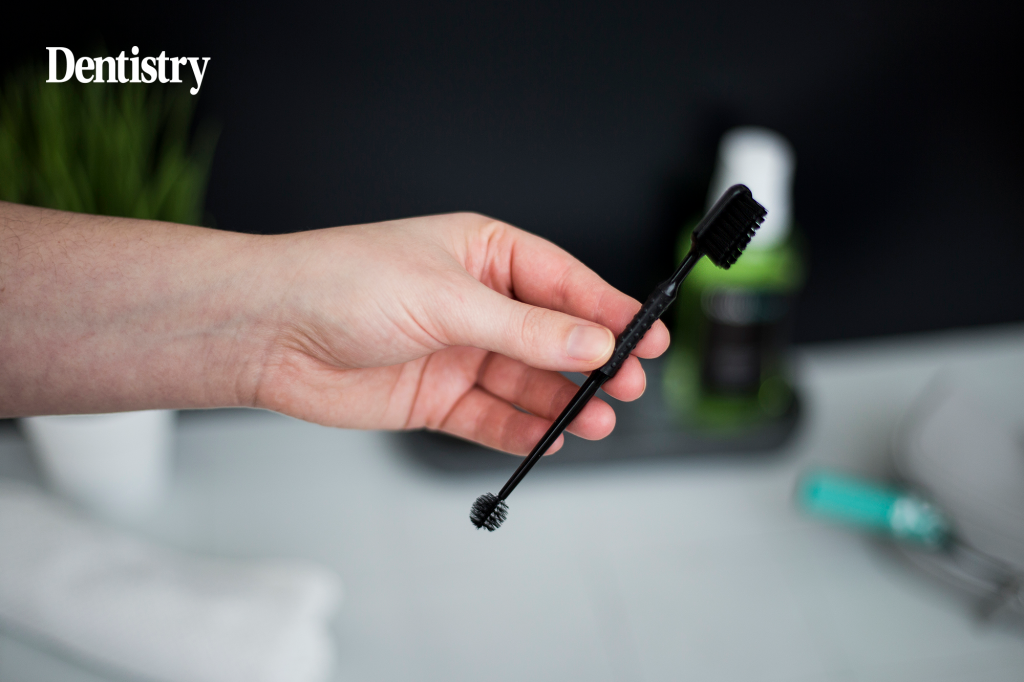
This is the focus behind BlakMint’s aligner and retainer cleaning range, which includes cleaning solutions, specialist brushes and portable accessories designed to help patients maintain appliances more consistently as part of their daily routine. Some products may also be suitable for use with ultrasonic cleaning systems, depending on the appliance and manufacturer guidance.
A preventive opportunity
Aligner hygiene should be viewed as an integral component of orthodontic care. By educating patients about the importance of effective appliance cleaning and recommending appropriate hygiene routines, clinicians can help reduce plaque accumulation, minimise gingival inflammation, improve patient comfort and support treatment compliance.
As patient expectations continue to evolve and preventive dentistry remains central to clinical practice, effective aligner hygiene is becoming an increasingly important aspect of successful orthodontic treatment.
References
- Ryokawa H, et al. Effects of mechanical cleaning on bacteria attached to clear retainers. American Journal of Orthodontics and Dentofacial Orthopedics. 2006.
- Klaus K, et al. Bacterial colonisation of removable orthodontic appliances. Clinical Oral Investigations. 2008.
- Türkkahraman H, et al. Effects of intraoral appliances on periodontal health. American Journal of Orthodontics and Dentofacial Orthopedics. 2010.
- Marsh PD. Dental plaque as a biofilm and a microbial community: implications for health and disease. BMC Oral Health. 2006.
- Scannapieco FA, et al. Role of oral bacteria in respiratory infection. Journal of Periodontology. 2003.
- Tonetti MS, et al. Periodontitis and atherosclerotic cardiovascular disease. Journal of Clinical Periodontology. 2007.
About the author
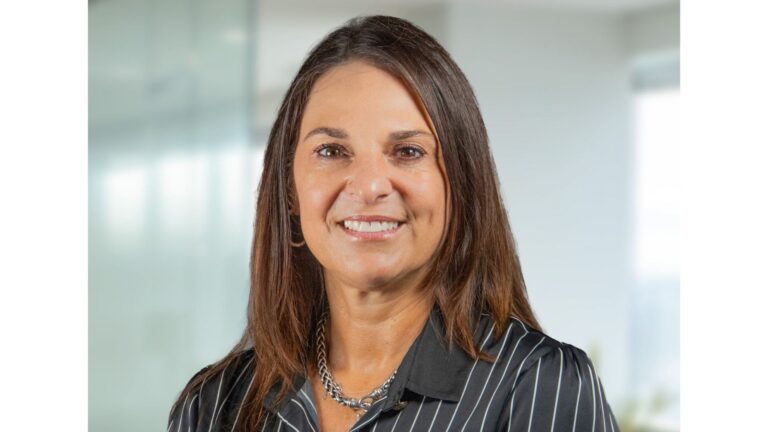
Stacey Greslow is chief executive officer of BlakMint, a provider of cleaning solutions for aligners, retainers and removable orthodontic appliances.
Follow Dentistry.co.uk on Instagram to keep up with all the latest dental news and trends.
Apa Reaksi Anda?
 Suka
0
Suka
0
 Kurang Suka
0
Kurang Suka
0
 Setuju
0
Setuju
0
 Tidak Setuju
0
Tidak Setuju
0
 Bagus
0
Bagus
0
 Berguna
0
Berguna
0
 Hebat
0
Hebat
0