






































Dog Chocolate Toxicity Calculator
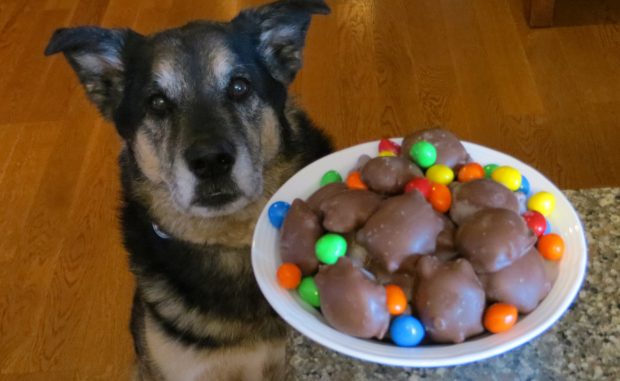
If your dog ate chocolate, our chocolate toxicity calculator for pets can help you understand the risk and know exactly what to do next. Select dog or cat and the type of chocolate to get more information about your pet’s exposure. . If your pet ingested chocolate, do not wait for symptoms to appear.Call Pet Poison Helpline at (855) 764-7661 now .Our team of toxicology experts are ready 24/7 to help and guide you on next steps.


Chocolate & Your Pet
Select your pet and the type of chocolate to learn what you need to know, and the right next step to take.


If this is an emergency, please call your veterinarian or Pet Poison Helpline at 855-764-7661 right away.

Pet Poison Helpline, 24/7 | One $89 fee per case includes unlimited follow-up calls
A note from our team: This guide provides general educational information about chocolate and pets. It is not a substitute for professional veterinary advice or a toxicity assessment. Every pet and every situation is unique. The type of chocolate, the amount consumed, your pet's size, health history, and other factors all play a role. Please contact Pet Poison Helpline or your veterinarian for guidance specific to your pet.

-
LEARN
-
ABOUT
-
HELP
- Medical Assistance:
- (855) 764-7661
- Non-medical Assistance:
- info@petpoisonhelpline.com
- media@petpoisonhelpline.com
-
STAY CONNECTED

How Much Chocolate Is Poisonous to Dogs?
Chocolate contains two compounds that are poisonous to dogs: theobromine and caffeine. Dogs process both substances far more slowly than humans, which allows them to build up to dangerous levels in the body. How much chocolate is poisonous to your dog depends on three things: the type of chocolate, the amount eaten, and your dog’s weight.
Different types of chocolate contain very different concentrations of theobromine. As a general rule, the darker and more concentrated the chocolate, the greater the concern:
- White chocolate: Very low theobromine content
- Milk chocolate: Moderate theobromine content
- Dark chocolate: High theobromine content
- Semi-sweet / bittersweet chocolate: High theobromine content
- Baker’s chocolate: Very high theobromine content
- Cocoa powder or cacao: Extremely high theobromine content
Even white chocolate, which poses the lowest theobromine risk, can still cause pancreatitis in dogs due to its high fat content. The safest approach is always to contact a professional regardless of the chocolate type involved.
How Much Chocolate Can Kill a Dog?
This is one of the most common questions pet owners search for, and it is an important one. There is no single answer, because the risk depends on the type of chocolate, the amount consumed, and your dog’s size. A small dog who eats even a small amount of baker’s chocolate or cocoa powder faces a much more serious risk than a large dog who gets into a piece of milk chocolate.
What is important to understand is this: chocolate poisoning can become life-threatening, and symptoms do not always appear right away. A dog who seems fine in the hours after eating chocolate may still be at risk. Do not wait for symptoms to appear before seeking guidance. The sooner a chocolate exposure is assessed by a veterinary professional, the more options there are for keeping your dog safe and healthy. Seeking help from a trusted veterinarian or Pet Poison Helpline at (855) 764-7661 is always the right next step if your pet ingested chocolate.
Signs of Chocolate Poisoning in Dogs
Symptoms of chocolate poisoning can appear within a few hours of ingestion, though the timing varies. Common signs include:
- Vomiting and/or diarrhea, often among the first signs pet parents notice
- Increased thirst and urination
- Restlessness, hyperactivity, or agitation
- Rapid breathing or panting
- Elevated heart rate or abnormal heart rhythm
- Muscle tremors
- Seizures in more serious cases
- Pancreatitis, which can develop from the high fat content in many chocolate products, regardless of the amount eaten
It is important to know that a dog who seems normal after eating chocolate is not necessarily safe. Some dogs do not show symptoms right away, which is why a professional assessment matters even when your dog appears okay at the moment.
What to Do If Your Dog Ate Chocolate
Acting quickly is the best step you can take to support your dog after a chocolate ingestion. Here is what to do right now:
- Remain calm & know that help is available. Chocolate exposure can happen to pet parents with the best of intentions. Take a deep breath and know that resources like Pet Poison Helpline are available to help you.
- Do not wait for symptoms. The sooner a chocolate exposure is addressed, the safer, less stressful, and less costly the treatment tends to be.
- Gather the packaging or any remaining product. Knowing the exact type and brand helps our team or your veterinarian assess the situation accurately.
- Note the time your dog may have eaten the chocolate, if possible.
- Do not try to induce vomiting at home unless specifically instructed by a veterinary professional. It is not always safe or appropriate.
- Call Pet Poison Helpline at (855) 764-7661 or contact your veterinarian right away.
Other Harmful Ingredients to Check For
Some chocolate products contain additional ingredients that can be poisonous to dogs. When you call, check the chocolate packaging and let our team know if the chocolate ingested contained any of the following:
- Xylitol (birch sugar): Found in some chocolates, candies, and baked goods. Can cause a life-threatening drop in blood sugar and liver failure in dogs.
- Macadamia nuts: Can cause weakness, vomiting, tremors, and elevated body temperature in dogs.
- Raisins or grapes: Can cause kidney failure in dogs.
- Coffee beans or espresso: Add additional caffeine, which compounds the effects of theobromine already present in chocolate.
- Alcohol: Found in some liquor-filled chocolates. Can cause dangerous drops in blood sugar, blood pressure, and body temperature.
Chocolate and Cats
While dogs are far more likely to eat chocolate, cats are not immune to its effects. Theobromine is poisonous to cats as well. If your cat has eaten chocolate, call Pet Poison Helpline at (855) 764-7661 for support and guidance specific to your pet.
About Pet Poison Helpline
Pet Poison Helpline is a 24/7 animal poison center staffed by board-certified veterinary toxicologists, licensed veterinarians, and trained toxicology professionals. With over 20 years of experience and more than 2 million cases managed, we are the most trusted resource for animal poisoning guidance in North America.
When you call, our team assesses your pet’s unique situation and provides guidance tailored to your specific animal. If your pet needs to visit a veterinarian, we also consult directly with the treating veterinary team at no additional charge, helping guide your pet’s care from start to finish.
One $89 fee per case includes unlimited follow-up calls.
Frequently Asked Questions
How much chocolate is poisonous to a dog?
The amount that poses a risk depends on the type of chocolate, amount eaten, and your dog’s weight. Darker, more concentrated chocolate such as baker’s chocolate and cocoa powder are a much greater concern than milk chocolate, and smaller dogs face higher risk than larger dogs with the same amount. Use the chocolate toxicity calculator above to get more information on your dog’s specific exposure. The next best thing you can do is call a trusted veterinarian or Pet Poison Helpline for professional guidance and assessment.
My dog ate chocolate but seems fine. Should I worry?
While it’s easy to stop worrying if your pet seems normal and ‘fine’, it’s important to know that the dangers of chocolate poisoning haven’t completely passed yet. Symptoms of chocolate poisoning do not always appear right away, and a dog who appears normal in the hours after eating chocolate may still be at risk. It is always better to call and get a professional assessment than to wait and see if symptoms appear. Contact Pet Poison Helpline at (855) 764-7661 for guidance specific to your pet’s exposure.
Can dogs have white chocolate?
White chocolate contains very little theobromine, so the risk of chocolate poisoning from theobromine is low. However, white chocolate is very high in fat and sugar, which can cause gastrointestinal upset and potentially trigger pancreatitis in dogs. If your dog ate white chocolate, it is still worth reaching out to a professional, particularly if your dog is small or has a history of digestive issues.
How long after eating chocolate will a dog show symptoms?
Symptoms of chocolate poisoning can appear within a few hours of ingestion, though the timing varies depending on the type and amount of chocolate and your dog’s size and health. Because signs can be delayed, it is important not to wait for symptoms before seeking help.
How much does it cost to call Pet Poison Helpline?
One $89 consultation fee covers your pet’s entire case, including unlimited follow-up calls. Our veterinary toxicology experts are available 24 hours a day, 7 days a week, 365 days a year.
Get Expert Help 24/7
Our chocolate toxicity calculator is a helpful starting point, but it cannot replace professional guidance. If your dog ate chocolate, call Pet Poison Helpline at (855) 764-7661 right away. Our veterinary toxicology experts are available 24/7 to provide support and guidance specifically tailored to your pet and their exposure
Call Pet Poison Helpline if:
- You are uncertain about the type or amount of chocolate consumed
- Your dog is showing any symptoms
- Your dog has underlying health conditions
- You simply want reassurance from a toxicology expert
A note from our team: This guide provides general educational information about chocolate and pets. It is not a substitute for professional veterinary advice or a poisoning assessment. Every pet and every situation is unique. The type of chocolate, the amount consumed, your pet’s size, health history, and other factors all play a role that require assessment by a veterinary professional to be able to provide treatment guidance. Please contact Pet Poison Helpline or your veterinarian for guidance specific to your pet.
The post Dog Chocolate Toxicity Calculator appeared first on Pet Poison Helpline.
Apa Reaksi Anda?
 Suka
0
Suka
0
 Kurang Suka
0
Kurang Suka
0
 Setuju
0
Setuju
0
 Tidak Setuju
0
Tidak Setuju
0
 Bagus
0
Bagus
0
 Berguna
0
Berguna
0
 Hebat
0
Hebat
0