




















Heat stress is the trigger: Oxidative damage is the real threat

Heat stress is often seen as a temperature problem — but the real damage happens at the cellular level. When thermal load increases, oxidative stress builds faster than the animal’s natural defenses can respond, quietly undermining gut integrity, immunity and overall performance. Addressing this requires more than cooling systems. Trace minerals — copper, zinc, manganese and selenium — are the essential building blocks of the antioxidant enzyme network that protects animals from the inside out.

Global Solution Manager – Mineral Nutrition
Orffa Additives BV
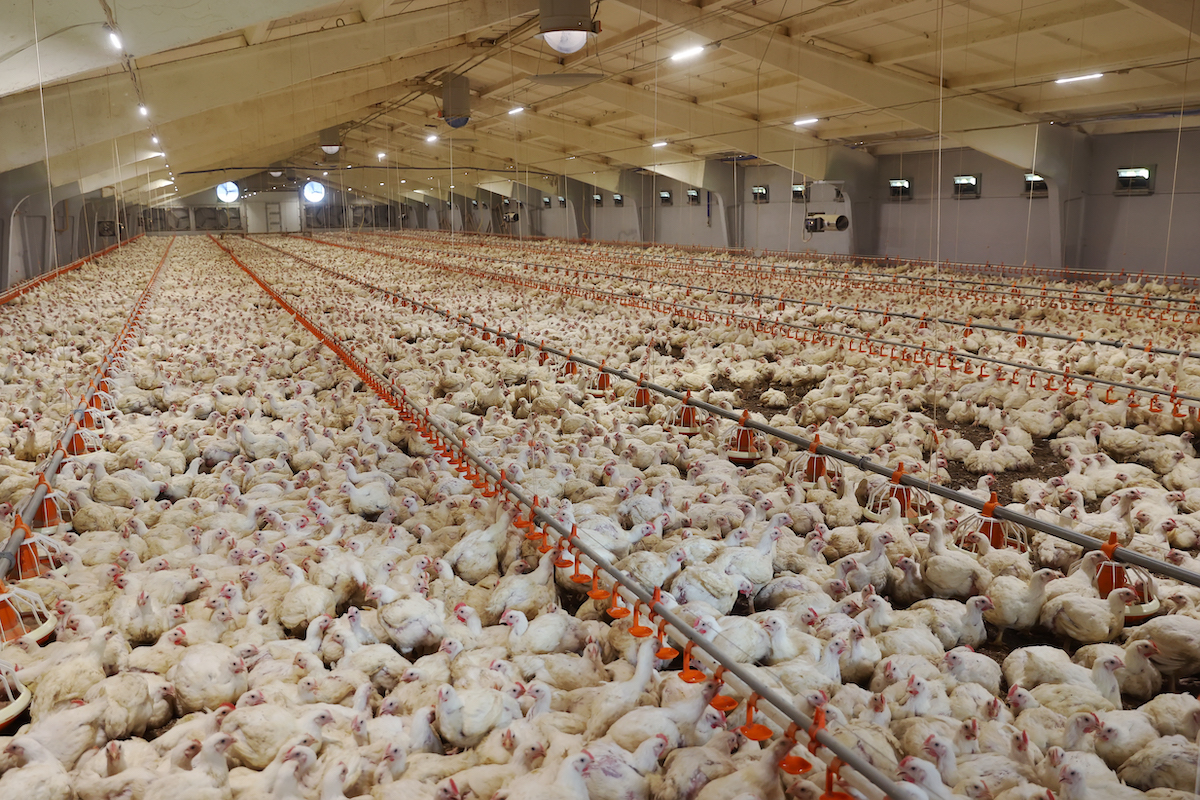
Heat stress does not destroy performance directly. It destroys the cellular infrastructure that makes performance possible. Behind every measurable outcome, declining growth, fragile gut integrity, compromised fertility, reduced egg quality, lies a common mechanism: oxidative damage. When thermal load rises, reactive oxygen species accumulate faster than the animal’s antioxidant defenses can neutralize them. This results in membrane damage, tight junction dysfunction and reduced immune functioning. Heat stress today is no longer a seasonal risk: rising temperatures, high-performing genetics and year-round production pressure have made this cellular threat a structural reality in animal production worldwide. Managing the temperature is necessary but managing the oxidative damage is where the final outcome is actually decided.
Modern production systems intensify the challenge, and climate control alone is not enough. As ambient temperature rises, animals activate mechanisms to reduce internal heat load: respiration rate increases, panting intensifies and blood flow is redirected toward the skin (Figure 1). These thermoregulatory responses come at a cost of energy diverted from growth, egg production and milk yield, declining feed intake, and compromised gut and immune function. Performance losses are the visible outcome, but the real damage is already unfolding at the cellular level.

THE REAL BOTTLENECK: OXIDATIVE PRESSURE AT CELLULAR LEVEL
Oxidative stress does not wait for extreme heat events. It builds progressively as feed intake drops, metabolism shifts and low‑grade inflammation sets in. Importantly, oxidative stress is not limited to heat alone, it may also arise during transport, disease challenges or periods of reduced feed intake, conditions that often coincide with high environmental temperatures. Effective strategies to counter it are not optional, they are essential to preserve resilience.
Heat stress mitigation works best in 3 steps:
1. Reduce external heat load (ventilation, cooling systems, water availability).
2. Support metabolic stability via nutrition (energy density, electrolytes, vitamins).
3. Protect at cellular level, where Cu, Zn, Mn and L‑selenomethionine power the antioxidant enzymes that neutralize oxidative damage.
Management interventions form the first line of defense, helping to lower the external thermal burden. Yet these measures alone cannot fully protect animals once metabolic and inflammatory processes are activated internally. Nutritional strategies should therefore be applied, to take over at the cellular level. While energy, electrolytes and vitamins traditionally receive most attention during hot periods, trace minerals operate quietly at the core of cellular protection, because without them, the antioxidant enzyme network cannot run at full capacity precisely when oxidative pressure is highest.
One of the most damaging consequences of heat stress is the overproduction of reactive oxygen species (ROS). When ROS generation exceeds the animal’s antioxidant capacity, oxidative stress occurs, triggering lipid peroxidation, protein oxidation and DNA damage.
COPPER, ZINC AND MANGANESE: POWERING THE SUPEROXIDE DISMUTASE (SOD) SYSTEM
Trace minerals do not neutralize free radicals the way vitamins do. Instead, they serve as essential cofactors of antioxidant enzymes and without adequate supply, these enzymes simply cannot function. Copper (Cu), zinc (Zn) and manganese (Mn) are integral to the superoxide dismutase (SOD) enzyme family. SOD enzymes form the first line of defense against oxidative stress by converting superoxide radicals into hydrogen peroxide:
• Cu/Zn-SOD functions in the cytosol and extracellular fluids,
• Mn-SOD operates inside mitochondria, where oxidative pressure is highest.
During heat stress, mitochondrial ROS production increases sharply, making adequate manganese supply particularly important. Suboptimal levels of Cu, Zn or Mn reduce SOD activity, leaving tissues vulnerable to oxidative damage precisely when protection is most needed.
During heat stress, the gastrointestinal tract becomes a critical bottleneck for mineral nutrition. Feed intake declines, gastric pH shifts and intestinal permeability increases, all of which limit mineral absorption. At the same time, metabolic demand for antioxidant enzymes rises sharply. This creates a physiological paradox: animals require more trace minerals precisely when their ability to absorb them is compromised. Under such conditions, not only the inclusion level, but especially the chemical form and stability of trace minerals, becomes decisive.
Modern trace mineral technologies, such as Excential SMART hydroxy trace minerals, are specifically designed to address this challenge. Hydroxy forms of copper, zinc and manganese possess unique physicochemical properties that make them particularly effective during periods of thermal stress (Figure 2). Unlike inorganic sulphates, hydroxy trace minerals are poorly soluble at neutral pH and therefore remain largely intact in the upper digestive tract. This limits premature dissociation and reduces unwanted interactions with other dietary components such as phytate, vitamins or unsaturated lipids.

By remaining stable until they reach the acidic environment of the stomach, hydroxy trace minerals allow for a more controlled release of Cu, Zn and Mn at the main sites of absorption. This controlled release is especially important during heat stress, when intestinal integrity is often compromised. Elevated temperatures and oxidative pressure weaken tight junctions, increasing sensitivity to irritation and the risk of pro oxidant reactions in the gut lumen. Due to their lower reactivity, hydroxy trace minerals exert less oxidative pressure locally, helping to preserve gut barrier function, an essential prerequisite for maintaining nutrient uptake and immune competence under thermal challenge.
Beyond gastrointestinal stability, hydroxy trace minerals also contribute to more consistent tissue availability of copper, zinc and manganese. Even when feed intake is reduced, this reliable delivery supports the activity of key antioxidant enzymes, helping to safeguard cellular defense systems at a time when oxidative pressure is highest.
SELENIUM: CORNERSTONE OF LIPID PROTECTION
If copper, zinc and manganese form the first enzymatic barrier against oxidative stress, selenium acts as the final safeguard, protecting the most vulnerable structures in the cell: its membranes. During heat stress, this role becomes indispensable.
Rising body temperature inevitably leads to increased generation of hydrogen peroxide and lipid hydroperoxides. These reactive compounds are particularly damaging to cell membranes, which are rich in polyunsaturated fatty acids and highly sensitive to oxidative attack. Once lipid peroxidation is initiated, membrane integrity, transport functions and cellular signaling rapidly deteriorate. The consequences, impaired gut function, weakened immunity, compromised fertility compound quickly.
Selenium plays a unique role in preventing this cascade (Figure 3). Incorporated into selenoproteins such as glutathione peroxidases (GPx), selenium enables the detoxification of hydrogen peroxide and lipid hydroperoxides before they can damage cell membranes. During heat stress, when lipid oxidation pressure is high, the demand for GPx activity increases sharply, making selenium supply a critical limiting factor in antioxidant defense. However, heat stress also challenges selenium nutrition itself. Reduced feed intake directly lowers selenium intake, while gastrointestinal disturbances can impair absorption. Under these conditions, the form in which selenium is supplied becomes decisive.

L‑selenomethionine is the form of selenium found most in nature, and it stands out because it behaves differently from inorganic or other organic selenium sources. Unlike selenite or selenocysteine‑based forms, L‑selenomethionine can be non‑specifically incorporated into body proteins in place of methionine. In effect, it creates a physiological selenium reserve. This reserve becomes especially valuable during heat stress. Even when dietary intake drops, selenium stored in body proteins can be gradually released through normal protein turnover, ensuring a continuous supply for vital selenoprotein synthesis. In this way, L‑selenomethionine acts as a nutritional buffer, bridging periods of reduced intake while antioxidant demand remains high.
Research consistently demonstrates that animals receiving selenium predominantly as L‑selenomethionine show improved antioxidant status, more stable immune responses and better performance under thermal stress. By safeguarding membrane integrity and supporting redox balance at the cellular level, selenium does not merely mitigate the symptoms of heat stress, it strengthens the animal’s capacity to cope with it. Excential Selenium 4000, providing all selenium as L‑selenomethionine, is specifically designed to deliver this level of protection. By combining immediate functional availability with the ability to build selenium reserves, it helps maintain antioxidant defense precisely when animals are most vulnerable.
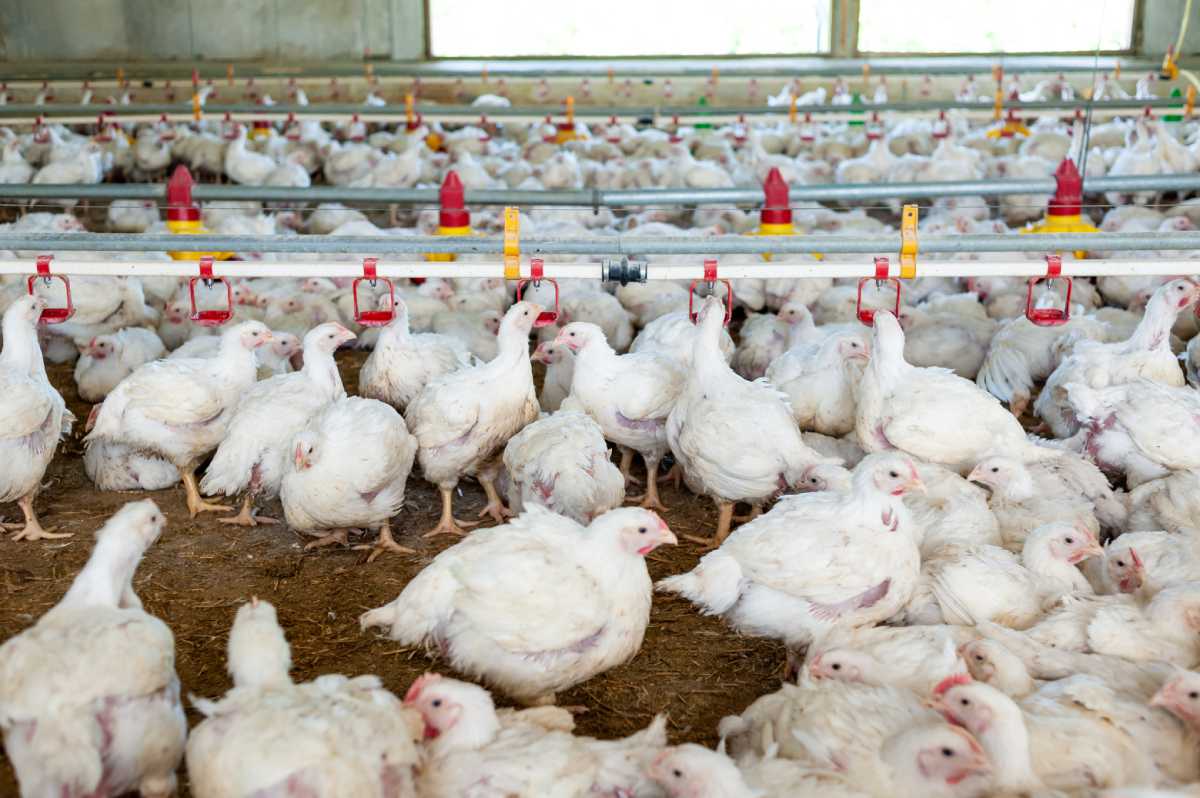
The biological relevance of this mechanism is not only theoretical; it translates into measurable outcomes under heat stress. In a broiler study conducted at Ghent University (Belgium), a control diet containing sodium selenite was compared with a control diet supplemented with organic selenium in the form of Excential Selenium 4000. From day 28 onwards, birds were subjected to heat stress during the finisher period. Under these conditions, supplementation with Excential Selenium 4000 resulted in a significant improvement in feed conversion ratio (FCR), showing a 14% reduction. In addition, a numerical increase in body weight gain was observed. These results demonstrate that organic selenium can effectively mitigate the negative impact of heat stress on broiler performance. Another study, by Jayasri et al. (2022) demonstrates that heat stress markedly increases oxidative stress and cellular stress markers such as HSP 70 and PGC 1α. Dietary supplementation with organic selenium (L selenomethionine) significantly reduced lipid peroxidation and moderated the heat shock response, indicating improved cellular resilience during thermal challenge.
The underlying mechanism for these effects, grounded on selenoproteins that function to protect membranes, is conserved across species, making the principle equally relevant for layers, swine and dairy cattle facing thermal challenge.
BIOAVAILABILITY BECOMES NON-NEGOTIABLE UNDER STRESS
Oxidative stress is one of the defining production challenges of modern animal agriculture. When the right trace minerals are available in the most optimal form, the animal’s own enzymatic defenses can do what no management intervention alone can: protect at the cellular level.
Animals require more trace minerals exactly when their ability to absorb them is compromised.
Copper, zinc, manganese and selenium play irreplaceable roles in the enzymatic antioxidant defense network that protects animals at the cellular level. Heat stress combines two critical challenges: reduced feed intake and increased metabolic demand for antioxidant protection. Under these conditions, mineral source and bioavailability become decisive. Poorly available inorganic trace minerals may fail to meet tissue requirements when intake is compromised. In contrast, highly bioavailable sources ensure that antioxidant enzymes remain functional even at lower inclusion levels. This is particularly relevant for selenium, copper and zinc, where source form strongly influences tissue retention and functional availability during stress.
As global temperatures rise and production intensity increases, the question is no longer whether trace minerals matter under heat stress, it is whether the forms you use can deliver when it counts. Bioavailability is no longer a formulation detail, it is a production decision with measurable consequences. When the right trace minerals reach the right tissues at the right time, cellular defense holds. That is what it means to put the science in your feed.
Heat stress is the trigger: Oxidative damage is the real threat yazısı ilk önce Feed & Additive Magazine üzerinde ortaya çıktı.
Apa Reaksi Anda?
 Suka
0
Suka
0
 Kurang Suka
0
Kurang Suka
0
 Setuju
0
Setuju
0
 Tidak Setuju
0
Tidak Setuju
0
 Bagus
0
Bagus
0
 Berguna
0
Berguna
0
 Hebat
0
Hebat
0