


























Managing heat stress in commercial poultry operations: principles and practical strategies

By Zac Williams, PhD
Extension specialist – Poultry Husbandry and Management
University of Arkansas
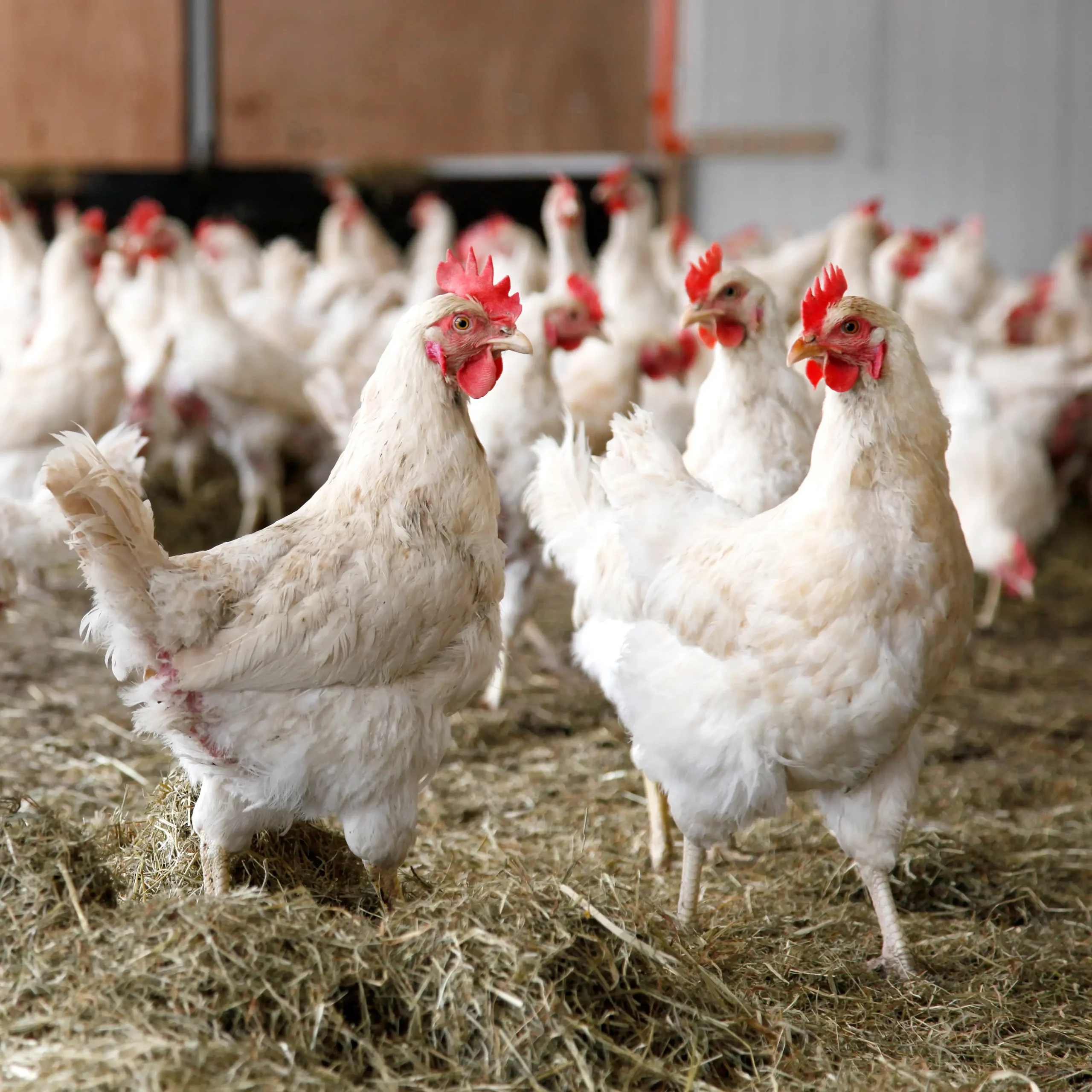
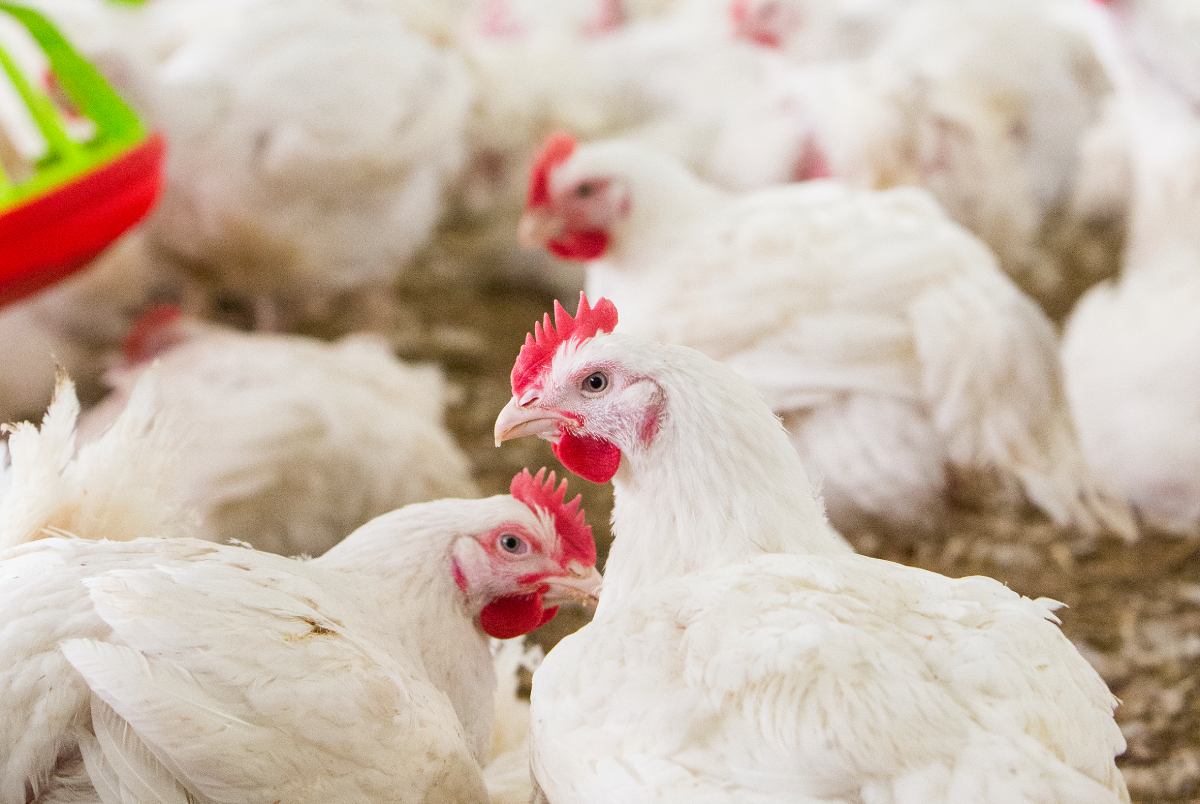
Heat stress is one of the most persistent and economically significant challenges facing commercial poultry production, particularly in locations characterized by high temperatures and humidity. Heat-stressed birds will have a poorer feed conversion ratio, decreased body weight gains and higher mortality, resulting in less income for the farmer.
Although it is often associated with hot weather, heat stress is more accurately described as an imbalance between the heat a bird produces internally and its ability to dissipate the heat to the surrounding environment. Effective management depends on recognizing this relationship and designing housing and management practices that prioritize heat removal.
Modern poultry are highly efficient at converting feed into productivity, but this efficiency results in substantial metabolic heat production. Unfortunately, only a portion of dietary energy supports growth and maintenance — generally about 35% to 40% — while the remaining 60% to 65% is metabolic heat that must be removed from the bird’s body to maintain normal physiological function.
This reality makes heat dissipation, rather than lowering air temperature, the key to keeping birds cool. Heat dissipation is a significant challenge in poultry house management, especially in warm weather.
Heat loss mechanisms, challenges
Birds rely on two primary mechanisms to lose heat: sensible and latent heat loss. Sensible heat loss occurs when heat is transferred from the bird to the surrounding air, while latent heat loss occurs through evaporation, primarily via panting. Under optimal conditions, these processes allow birds to maintain a stable internal body temperature within the thermal neutral zone. In other words, the bird is giving off as much heat as it is producing and can maintain a normal body temperature.
When environmental conditions, air temperature or humidity increase, the effectiveness of the heat loss mechanisms is lost, and birds begin to accumulate heat, resulting in physiological heat stress. Panting is often the first visible indicator of this condition, as the bird is switching from sensible to latent heat loss mechanisms. Even when environmental conditions improve and panting subsides, it may take several hours for a bird’s core body temperature to return to normal, emphasizing the importance of proactive rather than reactive management.
Humidity plays a critical role in determining how effectively birds can dissipate heat. Elevated relative humidity reduces the efficiency of latent heat loss, making panting less effective and increasing the risk of heat stress even at moderate temperatures. The interaction between temperature and humidity is particularly important when using evaporative cooling systems.
Although these systems can reduce air temperature, they simultaneously increase humidity. For each 1°F reduction in temperature achieved through evaporative cooling, relative humidity may increase by approximately 2.5%. If not carefully managed, this trade-off can create conditions that are more dangerous than hot air alone. Therefore, using evaporative cooling pads during times of high relative humidity will just add more humidity to the air and have a potentially greater negative impact than not using the pads and relying on wind speed.
Water consumption further complicates the heat stress challenge. Poultry will consume twice as much water as feed under normal conditions. Heat-stressed birds, however, will consume 3 to 4 times as much water. At the same time, evaporative cooling pads will be under maximum usage. Having a water source and system that can handle this added stress is crucial.
Ultimately, high air speed is the most effective tool for managing heat stress in commercial poultry houses. Air movement enhances convective heat loss by removing heat from the bird’s surface and preventing the buildup of warm, humid air around the body. Tunnel ventilation systems are used to achieve high airspeeds, creating this wind-chill effect that significantly reduces the temperature felt by the birds. Evaporative cooling systems should be used strategically and sparingly, with careful attention to their impact on humidity.
Observation remains an essential management tool. Bird distribution within the house provides immediate feedback on environmental conditions, as birds will naturally seek areas that offer greater comfort. Uneven distribution often indicates problems with airflow, temperature gradients or equipment performance.
Summary
Heat stress in modern commercial poultry production is a complex issue driven by the interactions between metabolic heat production, environmental temperature, relative humidity and management practices. The most effective strategies focus on maximizing heat removal through wind speed, with judicious use of evaporative cooling systems. By understanding and applying these principles, producers can reduce losses, maintain performance and improve animal welfare during periods of elevated heat.
The post Managing heat stress in commercial poultry operations: principles and practical strategies appeared first on Modern Poultry.
Apa Reaksi Anda?
 Suka
0
Suka
0
 Kurang Suka
0
Kurang Suka
0
 Setuju
0
Setuju
0
 Tidak Setuju
0
Tidak Setuju
0
 Bagus
0
Bagus
0
 Berguna
0
Berguna
0
 Hebat
0
Hebat
0