







































The Gold Standard of Sterilization: Why Biological Indicators Matter in Veterinary Practice


In every veterinary clinic, sterilization is more than a routine process: it is a direct reflection of patient safety, surgical standards, and the clinic’s commitment to quality care. While many clinics rely on chemical indicators or simply trust that an autoclave cycle completed correctly, the reality is that an important step is often missing from the sterilization process to truly confirm that sterilization was successful.
At Dispomed, we believe biological monitoring should be viewed as a gold standard of care in veterinary medicine, especially as clinics continue to elevate their protocols to match the highest medical standards.
What is a Biological Indicator?
A biological indicator is a sterilization monitoring tool that confirms whether an autoclave cycle successfully destroyed all viable microorganisms, including highly resistant bacterial spores.
Unlike chemical indicators, which only react to certain conditions such as temperature or steam exposure, a BI verifies the actual effectiveness of the sterilization process.
Simply put:
- A chemical indicator shows that conditions were present.
- A biological indicator confirms sterilization truly occurred.
This distinction is critical when patient safety and surgical outcomes are involved.
Why the First Cycle of the Day Matters
In human healthcare standards, it is widely recommended that the first sterilization cycle of the day includes a biological indicator test.
Why?
The first cycle validates that the autoclave is functioning properly before sterilized instruments are used on patients throughout the day. It acts as a daily confirmation that:

Proper temperature was reached

Correct steam penetration occurred

Exposure time was sufficient

Microorganisms were effectively destroyed
This practice is especially important in veterinary clinics using manual autoclaves, where there are fewer electronic safeguards to verify that every step of the sterilization cycle was properly completed.
Without electronic monitoring systems, human error becomes a greater risk:
- Incorrect loading
- Overpacked chambers
- Improper cycle selection
- Inadequate drying
- Poor steam circulation
A BI provides peace of mind that the cycle truly achieved sterilization.
Chemical Indicators vs. Biological Indicators
Many clinics currently rely on Class 5 chemical indicators. While these are valuable tools, they should not be mistaken for proof of sterilization.
Class 5 indicators can demonstrate that certain cycle parameters were reached, but they cannot confirm that all microorganisms were killed.
Biological indicators remain the only method capable of validating sterilization effectiveness.
For this reason, clinics seeking to maintain a higher standard of care should consider integrating BI testing into their regular sterilization protocol.
A Critical Layer of Protection for Your Clinic
Biological indicators are not only about patient safety, they also help protect the clinic itself.
In the event of:
- Surgical complications
- Infection concerns
- Insurance investigations
- Compliance reviews
- Client disputes
Documented BI testing provides evidence that sterilization procedures were performed correctly. This creates an important level of accountability and traceability within the practice.
Having documented proof that a sterilizer was functioning properly can become invaluable during an insurance claim or legal review.
Did You Know? BI Testing Is Even More Important for Manual Autoclaves
Manual autoclaves remain common in veterinary medicine because of their reliability and affordability. However, they require strict protocol adherence from the operator.
Unlike advanced automatic sterilizers, manual units may not include:
- Electronic cycle verification
- Automated diagnostics
- Advanced alarms
- Detailed cycle recording systems
Because of this, biological indicators become one of the most important safeguards available.
For clinics using manual sterilizers, many professionals recommend considering BI testing for every cycle involving surgical instruments.
Common Causes of BI Failures
A failed BI test does not always mean the autoclave is defective.
In many cases, failures are related to:
- Improper chamber loading
- Overcrowded packs
- Incorrect packaging
- Insufficient steam penetration
- User protocol errors
This is why proper sterilization training and written protocols remain essential. Sterilization is not simply about owning an autoclave, it is about ensuring the entire process is performed correctly every time.
Dispomed Biological Indicator Solutions
Dispomed offers biological indicator solutions designed to help veterinary clinics confidently monitor their sterilization process.
Available solutions include:
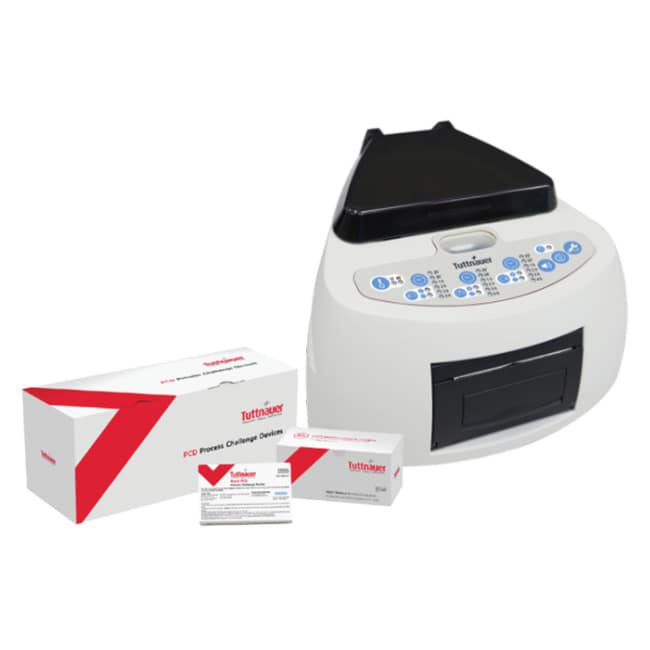
- Biological indicator test packs
- Rapid-read BI systems
- Starter kits including an incubator and 50 biological indicators
These tools help clinics establish reliable, documented sterilization protocols while improving confidence in every surgical cycle.
Final Thoughts
Sterilization is one of the most important foundations of patient safety in veterinary medicine.
A sterilizer completing a cycle does not automatically guarantee sterility. Biological indicators provide the confirmation clinics need to truly validate their process.
For veterinary practices committed to elevating their standards of care, biological monitoring should not be viewed as optional, it should be considered an essential component of a complete sterilization protocol.
Because when it comes to surgical safety, confidence matters.
Apa Reaksi Anda?
 Suka
0
Suka
0
 Kurang Suka
0
Kurang Suka
0
 Setuju
0
Setuju
0
 Tidak Setuju
0
Tidak Setuju
0
 Bagus
0
Bagus
0
 Berguna
0
Berguna
0
 Hebat
0
Hebat
0