


























How Often Should You Bathe Your Dog? Expert Tips

Bathing your dog feels simple until you actually try to find a schedule. Some pet parents bathe weekly and worry it is not enough. Others go months between baths and wonder if that is too long. The answer depends on several factors, and most generic rules do not fit Indian conditions well.
This guide gives you straightforward, expert-backed tips on how often to bathe your dog. You will learn the right frequency by breed, coat type, lifestyle, and Indian season. By the end, you will have a bathing schedule that keeps your dog's skin healthy and their coat shining.
The Quick Answer
For most healthy adult dogs in India, bathing once every 3 to 4 weeks is a solid baseline. Some dogs need weekly baths, while others do fine with one every 8 weeks. Your dog's breed, coat, lifestyle, and current season all shift this baseline.
The guiding principle is simple: bathe often enough to keep your dog clean and odour free, but not so often that you strip their skin of its natural oils.
Why Bathing Frequency Actually Matters
Dog skin is delicate. It has fewer layers than human skin and relies on natural oils to stay protected. Over-bathing disrupts this oil layer, leading to:
-
Dry, flaky skin and dandruff
-
Increased itching and irritation
-
Dull, brittle coat
-
Weakened skin barrier that invites infections
-
Allergic flare-ups and sensitivity
Under-bathing causes its own problems, including trapped dirt, skin infections, strong odours, parasite hiding spots, and matted fur. The right frequency balances hygiene with skin protection.
The American Kennel Club advises that bathing frequency depends on the dog's coat, skin condition, and activity level rather than a one-size-fits-all rule.
Bathing Frequency by Breed and Coat Type
Different coats behave very differently. Use this as a general guide:
-
Short-coated breeds (Labradors, Beagles, Boxers, Indies): Once every 3 to 6 weeks
-
Medium-coated breeds (Golden Retrievers, Border Collies): Once every 3 to 4 weeks
-
Long-coated breeds (Shih Tzus, Lhasa Apsos, Spaniels): Once every 2 to 3 weeks
-
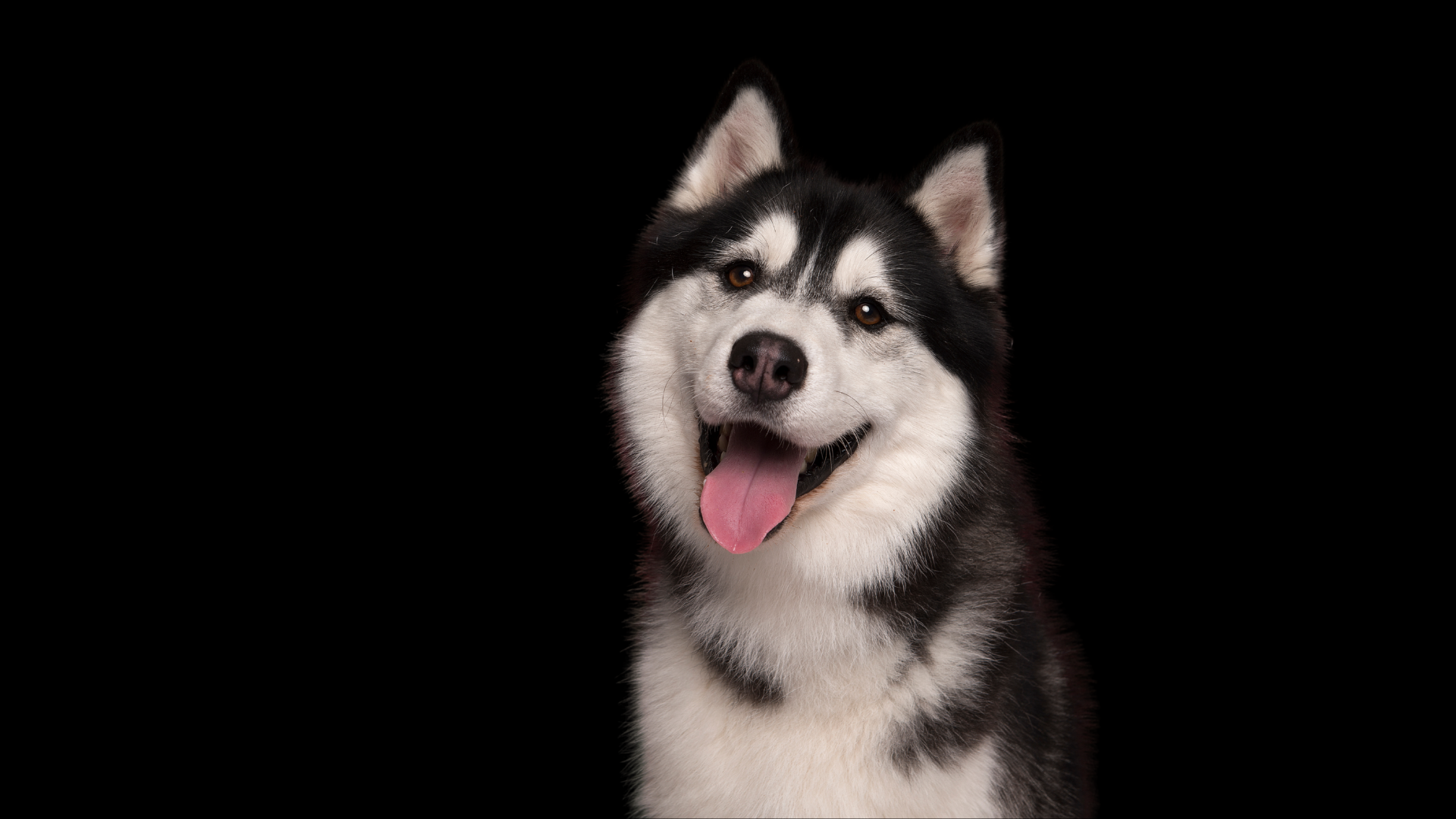
Double-coated breeds (Huskies, Malamutes, German Shepherds): Once every 6 to 8 weeks
-
Hairless breeds (Chinese Crested): Once a week for skin hygiene
-
Curly or water-resistant coats (Poodles, Portuguese Water Dogs): Once every 3 to 4 weeks with conditioner
-
Wiry coats (Terriers, Schnauzers): Once every 4 to 6 weeks
Dogs with oily coats, such as Basset Hounds, may need baths every 2 to 3 weeks. Dogs with extremely dry skin need baths stretched out, with more moisturising shampoos.
How Lifestyle Changes Bathing Frequency
Your dog's day-to-day life strongly affects how often they need a full bath.
-
Outdoor-active dogs: More frequent baths or at least paw and undercarriage rinses
-
Indoor-mostly dogs: Stretch out baths every 4 to 6 weeks
-
Dogs that swim regularly: Rinse with plain water after every swim. Full shampoo baths every 3 to 4 weeks.
-
Dogs with allergies: Frequent gentle baths can actually help by removing allergens from the coat
-
Dogs on medicated shampoos: Follow vet guidance. Usually weekly or every 10 days.
-
Senior dogs: Stretch baths longer unless soiled. Use gentle moisturising shampoos.
-
Puppies: First bath only after 8 weeks of age, then once every 4 to 6 weeks with tear-free puppy shampoo
Bathing Frequency by Indian Season
India's three main seasons each need a different approach:
Monsoon (June to September)
Humidity raises the risk of fungal infections, hot spots, and ear issues. Bathe every 2 to 3 weeks with a gentle shampoo. Dry thoroughly after every walk and after every bath. A partially dry dog in monsoon is almost guaranteed to develop skin problems. Pay special attention to paws, ears, and the groin area.
Summer (March to May)
Peak heat makes dogs sweat through paw pads and pant excessively. Bathe every 3 to 4 weeks. Cool water baths and quick paw rinses help with heat management. Never use cold water on young puppies or senior dogs.
Winter (November to February)
Cool, dry air strips natural oils faster. Stretch baths to every 4 to 6 weeks and switch to moisturising shampoos with oatmeal or aloe vera. Always bathe during warmer daylight hours and dry thoroughly before your dog goes outside.
Adjust the schedule if your dog has skin issues or is on medication. When in doubt, fewer baths with good shampoo choices beat frequent baths with harsh products.
Signs Your Dog Needs a Bath
Watch for these everyday clues:
-
Strong, musty odour that does not go away with brushing
-
Visibly dirty paws or belly
-
Greasy feel or dandruff on the coat
-
Excessive scratching or visible tiny black debris (flea dirt)
-
Loose fur clumping despite regular brushing
-
Itchy, irritated skin that may benefit from a medicated bath
On the other hand, if your dog smells neutral, looks clean, and their coat has a healthy shine, you likely do not need to bathe yet.
Signs You Are Bathing Too Often
Over-bathing is more common than under-bathing in urban Indian homes. Watch for:
-
Dry or flaky skin
-
Dull, brittle coat
-
Increased itching right after baths
-
Visible dandruff building up
-
Paw pad dryness or cracking
-
Recurring ear infections from water exposure
If you notice these signs, stretch out baths, switch to a moisturising shampoo, and consider adding omega-3 oil to your dog's diet for long-term coat support.
Expert Bathing Tips
Practical advice that actually makes a difference:
-
Always brush before a bath to remove tangles and loose fur
-
Use lukewarm water. Cold water is uncomfortable, hot water irritates skin.
-
Start lathering from the neck and work down
-
Avoid getting water directly into ears or eyes
-
Leave the shampoo on for 3 to 5 minutes if using medicated formulas
-
Rinse twice to remove every trace of shampoo
-
Dry thoroughly, especially between paw pads and inside ears
-
Offer treats and praise throughout to keep the experience positive
-
Always use dog-specific shampoo, never human products
The American Veterinary Medical Association advises keeping bathing sessions short, calm, and routine. Positive associations make grooming easier for life.
What to Do Between Baths
Bathing is only one part of coat care. Keep your dog fresh between baths with these practices:
-
Brush 2 to 7 times a week depending on coat type
-
Wipe down paws and belly after every outdoor walk
-
Use a pet-safe dry shampoo or grooming wipes for quick freshening
-
Rinse only the dirty parts when a full bath is not needed
-
Wash bedding and soft toys weekly during monsoon
Final Thoughts
How often to bathe your dog depends on breed, coat, lifestyle, and season. Aim for every 3 to 4 weeks as a baseline and adjust based on your dog's skin, smell, and activity level. Choose a gentle, dog-specific shampoo, dry thoroughly, and maintain good brushing between baths. With the right routine, your dog stays clean, healthy, and happy year-round.
Browse PetsWorld's grooming and shampoo collection for trusted options tailored to your dog's coat and skin.
FAQs
How often should I bathe my dog in Indian summers?
Most dogs do well with baths every 3 to 4 weeks during summer. Use cool, not cold water. Focus on quick paw and belly rinses between baths to manage dust and sweat. Avoid bathing during peak afternoon heat.
Can I bathe my dog every week?
Usually not. Weekly baths can strip natural oils and cause dryness or dandruff. Weekly baths are fine only if your vet has recommended medicated baths for a skin condition. Otherwise, every 3 to 4 weeks works better for most dogs.
How often should I bathe a puppy?
Puppies should not be bathed before 8 weeks of age. After that, bathe every 4 to 6 weeks using a tear-free puppy shampoo. Focus on gentle handling and positive experiences to build good bath habits.
Does coat type affect bathing frequency?
Yes. Short-coated dogs need fewer baths. Long-coated and oily-coated breeds need more. Double-coated dogs like Huskies need the fewest, typically every 6 to 8 weeks. Always match your bathing schedule to coat type.
What is the best way to dry my dog after a bath?
Towel dry thoroughly, then use a blow dryer on a low, cool setting if your dog tolerates it. Pay special attention to paws, ears, belly, and between skin folds. Damp dogs in humid weather are prone to fungal issues.
Apa Reaksi Anda?
 Suka
0
Suka
0
 Kurang Suka
0
Kurang Suka
0
 Setuju
0
Setuju
0
 Tidak Setuju
0
Tidak Setuju
0
 Bagus
0
Bagus
0
 Berguna
0
Berguna
0
 Hebat
0
Hebat
0