































Swayne: HPAI vaccination is effective but not a silver bullet

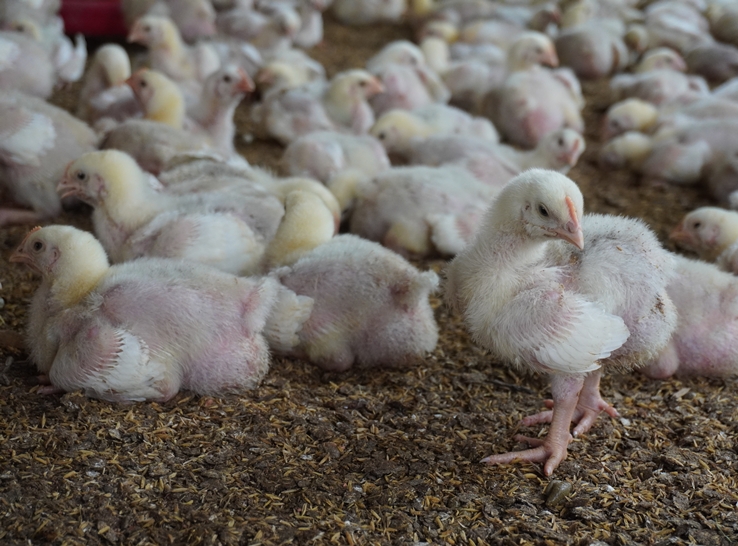
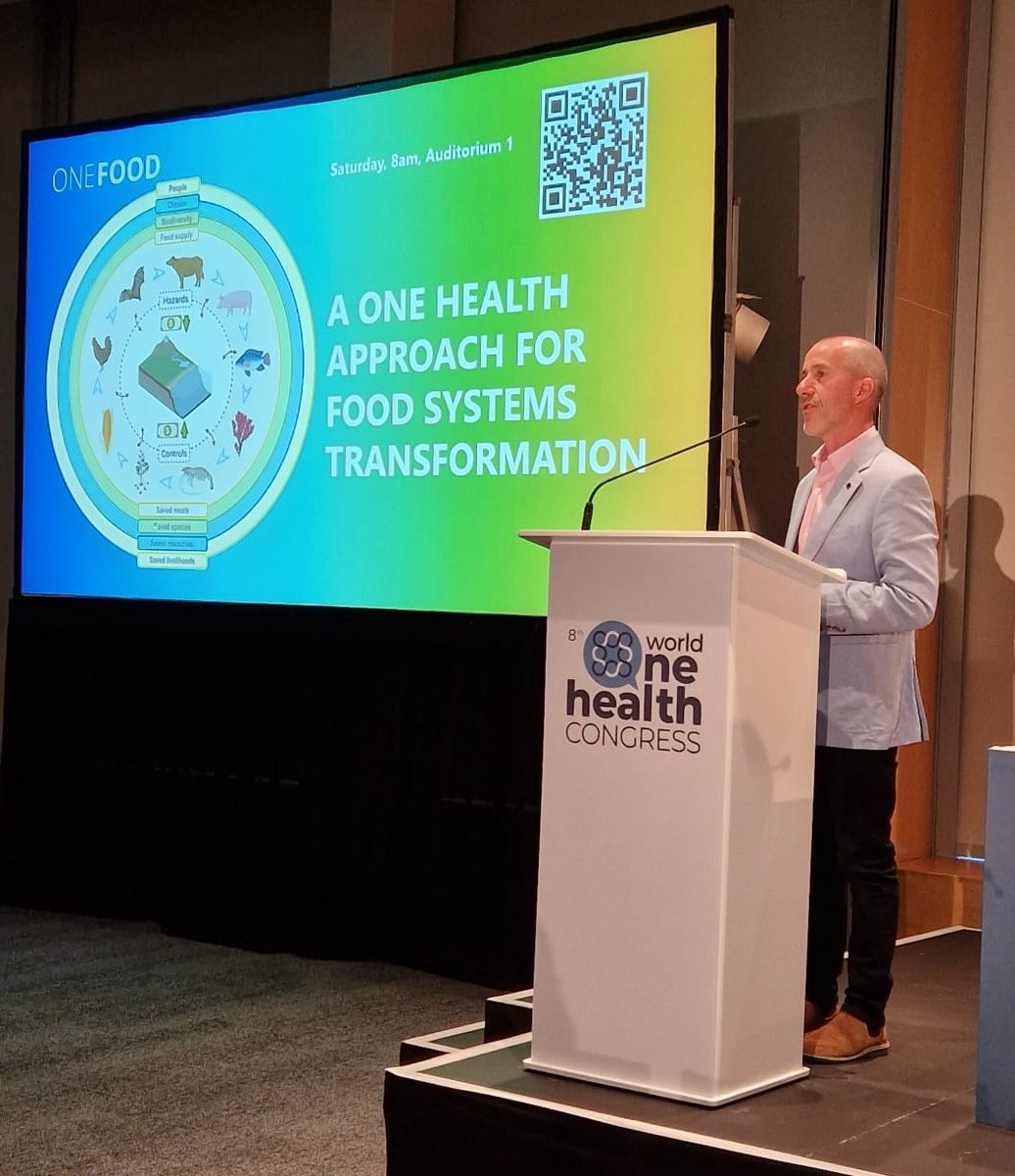
Highly pathogenic avian influenza (HPAI) is a significant threat to the poultry industry, and vaccination alone is not enough to combat this virus, said David Swayne, DVM, PhD, DACVP a former USDA scientist who has spent more than 30 years studying this disease.
During his presentation at the 2025 Poultry Science Association annual meeting, he emphasized that a three-pronged approach is needed alongside a vaccine program to address HPAI, including biosecurity, surveillance and stamping out.
He pointed out that not all HPAI viruses are the same. There are three virus lineages that have persisted in certain regions.
Global control of HPAI has relied on three core strategies:
- Biosecurity to keep the virus out of naïve flocks and contain it if infection occurs.
- Surveillance to determine the infection status of flocks and support a country’s disease-free status.
- Stamping out, which includes a suite of processes: diagnosis, quarantine with movement controls, population disposal, cleaning and disinfection, and repopulation.
“These strategies work very, very effectively,” Swayne explained, citing a recent US outbreak that was quickly stopped using these methods alone.
However, the challenge today comes from certain strains that spill over from wild birds into poultry populations. Adding a layer of complication, these viruses have become more infectious at lower doses, especially in ducks and turkeys. “Susceptibility is species dependent and dose connected, with ducks requiring the lowest amount of virus to become infected,” Swayne said.
This increased transmissibility explains why traditional control methods sometimes struggle and why vaccinations are used when elimination is difficult.
Vaccination against HPAI
Swayne pointed out that vaccination works primarily by reducing transmission, not by completely blocking infection in every case.
When transmission drops below a critical level, outbreaks decline, Swayne explained. “Vaccination decreases the number of susceptible individuals, slowing and reducing the spread,” Swayne said.
“And if poultry get that infection, they shed a lot less virus, reducing farm contamination, exposure and, therefore, infections. Additionally, you have the prevention of disease and death in poultry. This reduces environmental contamination, reduces transmission within a premises and reduces spread between the barns. Vaccinations maintain growers’ livelihoods and food security for consumers,” he explained.
Debunking common vaccination myths
Swayne addressed four misconceptions about HPAI vaccination:
Myth #1: There are no effective vaccines for US poultry.
Swayne noted that five licensed vaccines have demonstrated protection against the current HPAI strains.
Myth #2: Vaccination leads to widespread silent infections.
“With good batches of vaccines, silent infections are rare in properly vaccinated poultry,” he said.
Myth #3: Vaccines must provide sterilizing immunity.
Swayne noted that some have said sterilizing immunity is a myth perpetuated by some experimental studies that are improperly conducted and interpreted.
Myth #4: All poultry should be vaccinated.
“That’s definitely a myth,” he emphasized. Vaccination should be risk-based, targeting the most susceptible species, production types and geographic areas.
Global use of vaccination
Primarily to protect food supplies and reduce human exposure, global HPAI vaccine use is common in countries where HPAI has become endemic, including China, Egypt, Indonesia and Vietnam.
Swayne noted that France is the first high-income country to implement large-scale vaccination that is focused on ducks. “After vaccinating more than 140 million birds annually, France saw a 95% reduction in HPAI cases, dropping from hundreds of outbreaks to just 10 in one season. Most infections occurred in birds that were not fully vaccinated.”
Surveillance essential
He emphasized that vaccination does not replace surveillance. “Effective programs rely on risk-based monitoring, especially testing dead or sick birds. Random sampling of healthy, vaccinated flocks often fails because immunity can mask infection.”
Swayne cautioned that some advanced surveillance tools, such as DIVA (differentiating infected from vaccinated animals) testing, have shown “very limited value” and can be costly and confusing without follow-up testing.
Final takeaway
Vaccination is not a silver bullet, but when used correctly, it is a powerful addition to HPAI control, Swayne emphasized. Successfully combating HPAI depends on high-quality vaccines, proper dosing, ongoing monitoring and strong surveillance systems. As he noted, vaccination works best as part of a control system, not as a replacement for biosecurity or surveillance.
The post Swayne: HPAI vaccination is effective but not a silver bullet appeared first on Modern Poultry.
Apa Reaksi Anda?
 Suka
0
Suka
0
 Kurang Suka
0
Kurang Suka
0
 Setuju
0
Setuju
0
 Tidak Setuju
0
Tidak Setuju
0
 Bagus
0
Bagus
0
 Berguna
0
Berguna
0
 Hebat
0
Hebat
0