

































Paraguayan poultry meat enters the Middle East and accelerates international expansion
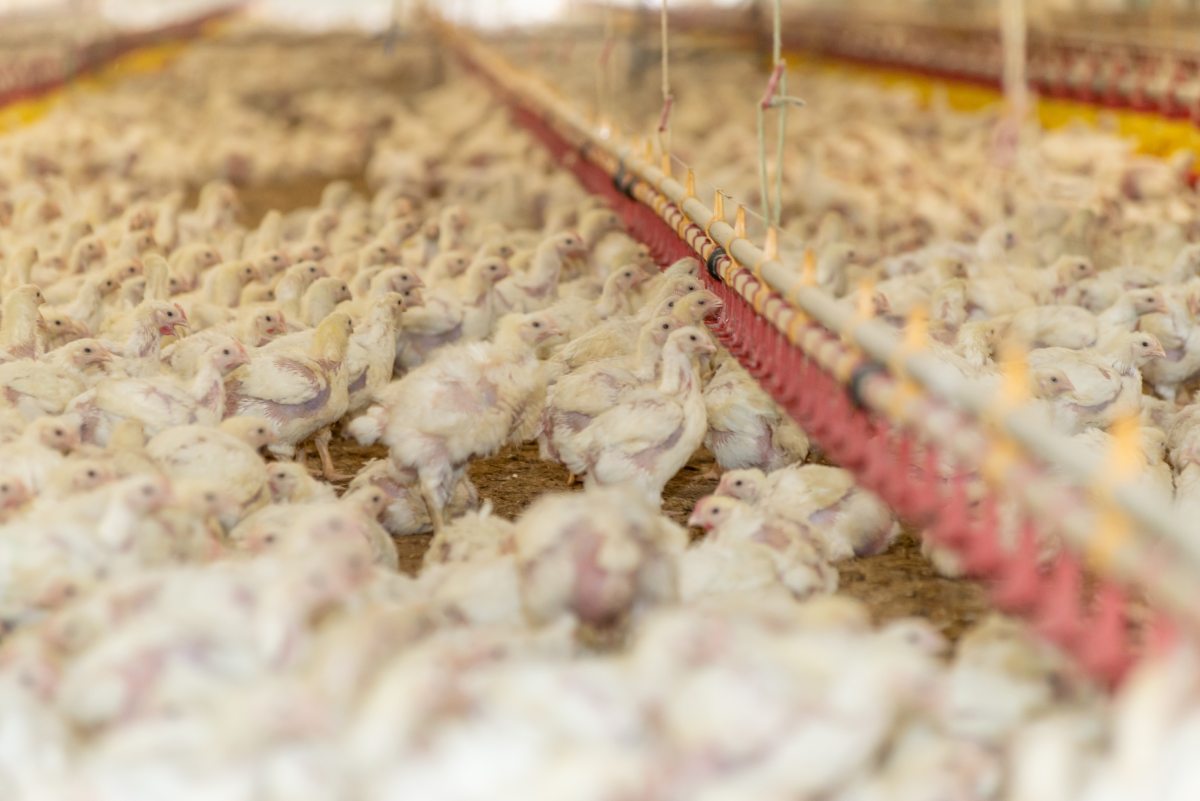
The approval by the United Arab Emirates opens a new stage for Paraguay’s poultry sector, which aims to position itself in high-value markets and diversify its exports beyond the region.
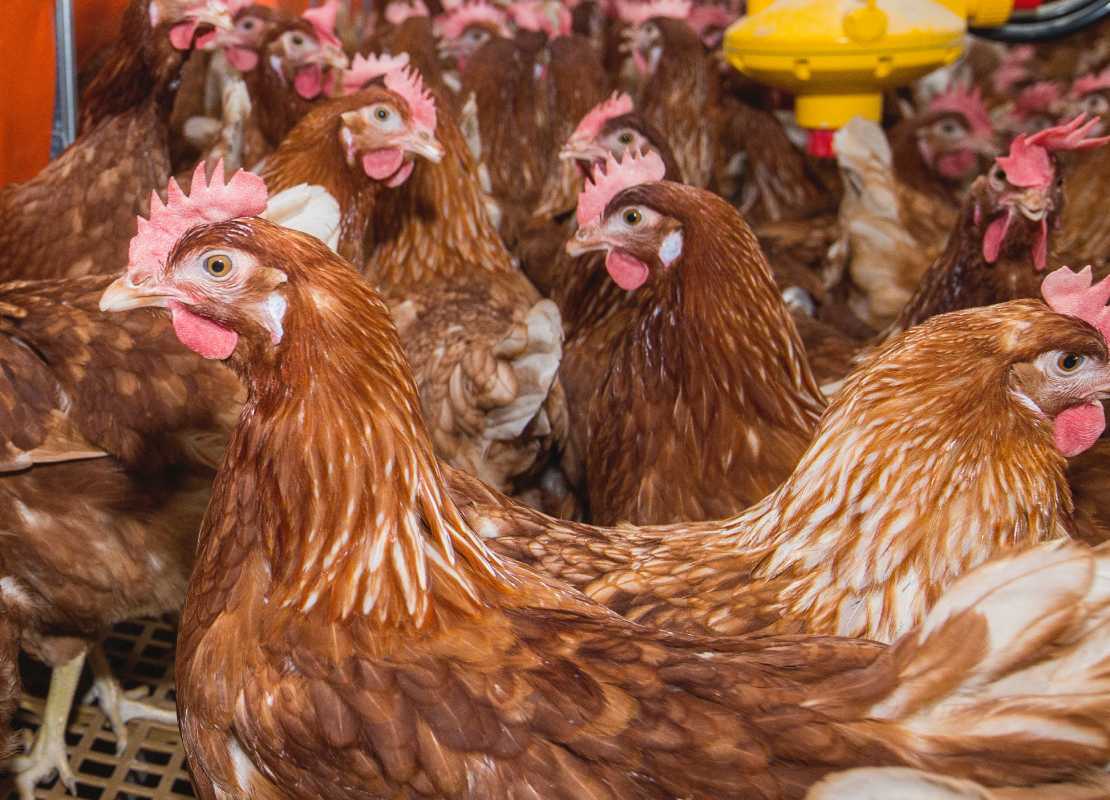
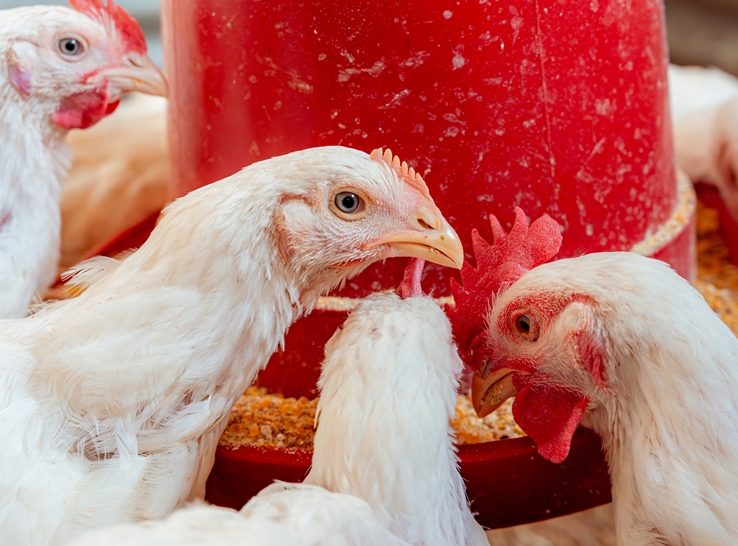
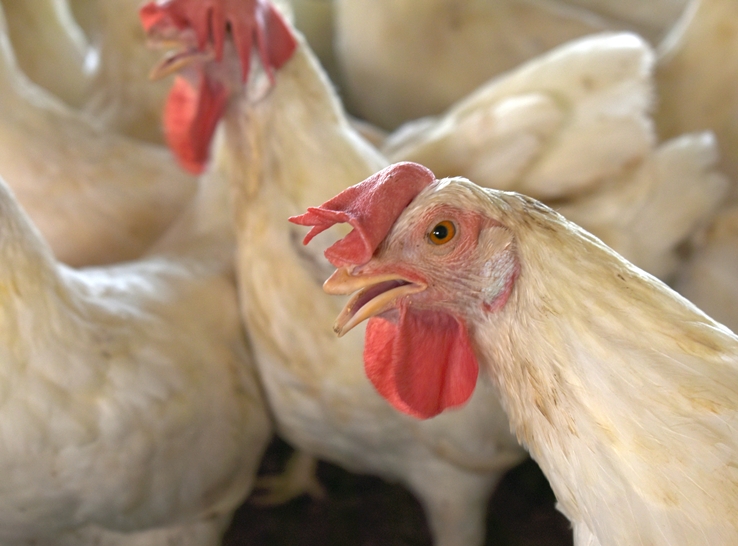
Paraguayan poultry meat has just taken one of its most significant steps in terms of market access. The National Service for Animal Quality and Health (Senacsa) confirmed the approval of the United Arab Emirates market for domestic poultry products, a development the sector views as a strategic gateway to the Middle East and a sign of growing international recognition of Paraguay’s production.
The announcement comes just weeks after another important milestone: the opening of Taiwan’s market to Paraguayan poultry meat, consolidating a commercial push toward Asia and the Middle East. For the industry, both destinations represent far more than new buyers—they offer the opportunity to reduce regional dependence, increase added value, and position Paraguay as a reliable supplier of animal protein in highly demanding markets.
Senacsa noted that the UAE approval is the result of sustained technical and diplomatic efforts to strengthen the international presence of Paraguayan animal products. This is no minor achievement: the UAE ranks among the leading importers of poultry meat in the Middle East, with purchases reaching approximately USD 1.3 billion in 2025.
The progress also reflects a quiet transformation within Paraguay’s poultry sector. For years, beef dominated the country’s export strategy, while poultry remained largely confined to the domestic market. However, increased industrial capacity, improved sanitary standards, and the opening of new destinations have begun to shift this dynamic. Today, Paraguay’s poultry industry aims to become the “third pillar” of meat exports, alongside beef and pork.
The figures point to gradual expansion, albeit with significant challenges still ahead. By the end of the first four months of 2026, Paraguay exported 4,148 tonnes of poultry meat, offal, and by-products worth around USD 4 million, marking a 21% increase in volume compared to the same period the previous year. Iraq currently leads as the main destination, followed by the Philippines, Angola, Singapore, and Curaçao.
According to the Paraguayan Poultry Farmers Association (Avipar), expectations are that new market openings will allow exports to exceed 15,000 tonnes in the coming years. The association’s vice president, Blanca Ceuppens, had already indicated months earlier that the sector is aggressively targeting Asia and the Middle East, particularly markets such as Singapore, Malaysia, and the Philippines, where demand for poultry protein is strong and sanitary standards are high.
However, behind the optimism lie structural challenges. The sector will need to compete with global giants such as Brazil and the United States, the world’s leading poultry exporters, while maintaining strict sanitary controls in an international context marked by recurring avian influenza alerts. Additional hurdles include tariff barriers, logistical costs, and the need to expand industrial capacity to meet the demands of larger-scale markets.
Even so, the opening of the United Arab Emirates market sends a strong signal for Paraguay’s agribusiness. The country is no longer focused solely on exporting traditional commodities but is working to diversify its meat portfolio and gain ground in premium markets. In a global scenario where food safety and traceability are increasingly critical, Paraguayan poultry meat is beginning to build an opportunity that, until a few years ago, seemed distant.
Apa Reaksi Anda?
 Suka
0
Suka
0
 Kurang Suka
0
Kurang Suka
0
 Setuju
0
Setuju
0
 Tidak Setuju
0
Tidak Setuju
0
 Bagus
0
Bagus
0
 Berguna
0
Berguna
0
 Hebat
0
Hebat
0