





























Temperature, moisture affect Campylobacter jejuni survival in used broiler litter

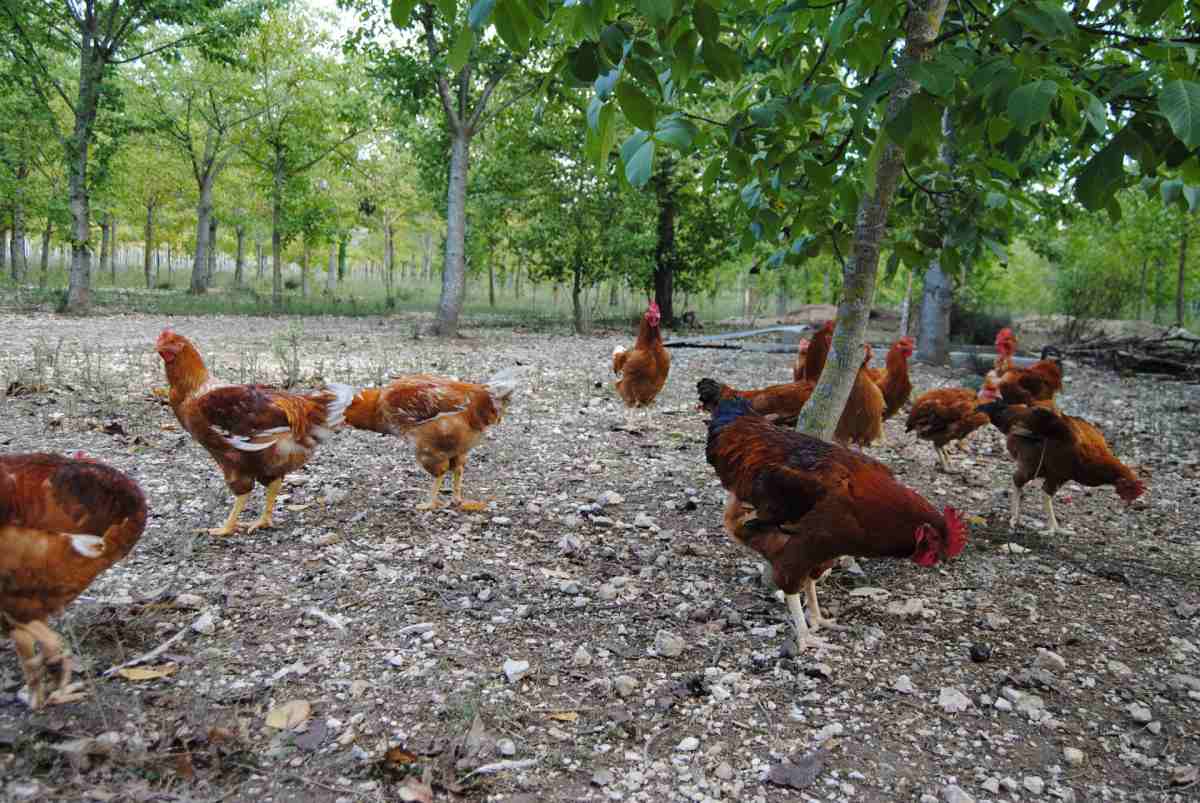
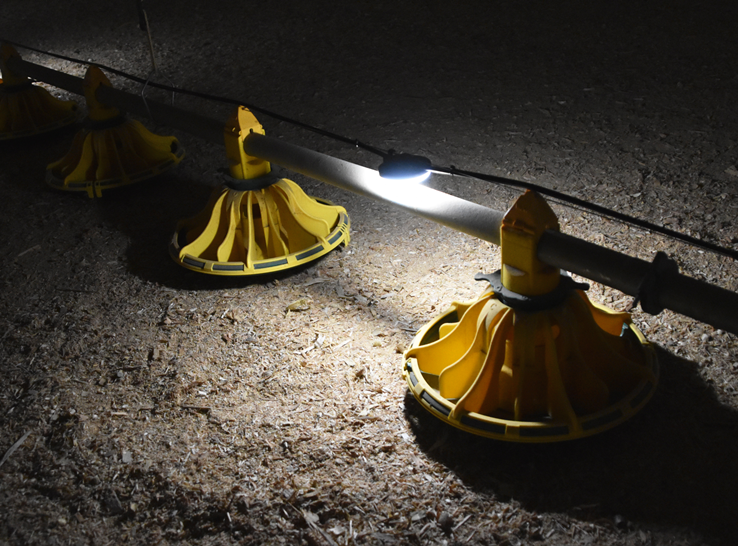
Temperature and moisture levels influence the survivability of Campylobacter jejuni in used broiler litter, according to a study led by Matthew Bailey, PhD, postdoctoral fellow at Auburn University.
“Campylobacter is an important foodborne pathogen and public health threat, causing 1.5 million illnesses annually in the US, as estimated by the CDC,” Bailey explained during his presentation at the 2025 Poultry Science Association Annual Conference. These illnesses are frequently linked to poultry products, prompting him to design studies to identify potential reservoirs and transmission routes associated with common poultry industry practices.
Although Campylobacter is known not to survive well in litter in aerobic conditions, Bailey noted that prior research showed “potential for cross-contamination via litter under certain circumstances.”
Bailey’s earlier work examined the impact of two litter management practices, using sodium bisulfate, which is a litter acidifier for controlling ammonia, and windrow composting, used to reduce microbial load between flocks, on the survivability of C. jejuni.
His current study investigated the reuse of broiler litter and its possible link to the spread of C. jejuni.
Earlier work
In his previous experiment, Bailey worked with two flocks. The first flock was inoculated with C. jejuni to simulate natural contamination of the litter. After growing out, the litter was treated with sodium bisulfate and composted for 19 days before being reused for the second flock.
“For the first flock, we observed high prevalence of C. jejuni in ceca samples at the end of growout. After inoculation on day 7, we had greater than 80% prevalence in ceca samples,” Bailey said. When the second flock was placed on the reused litter, no C. jejuni contamination was detected.
Despite these results, Bailey pointed out that two questions still remained:
- No samples were taken while the litter was composted, making it unclear how long C. jejuni survived.
- Environmental conditions, such as temperature and moisture, were not recorded during composting, raising questions about how environmental conditions impacted the bacteria.
Current experiment
To address these gaps in the previous experiment, Bailey designed a study to examine temperature and moisture variables:
- Temperature: 4° C (39° F), 22° C (72° F), 42° C (108° F) and 60° C (140° F)
- Moisture: 15%, 25% and 35%
- Litter treatment: sodium bisulfate versus control
He tested 24 treatments. Litter collected from research farm compost sheds was air-dried for 2 weeks, mixed and then portioned into boxes. All the litter was inoculated with a ciprofloxacin-resistant C. jejuni marker strain at 6.91 log concentration. Moisture levels were adjusted with sterile water. The boxes were maintained in temperature-controlled environments, including a refrigerator, incubators and at room temperature.
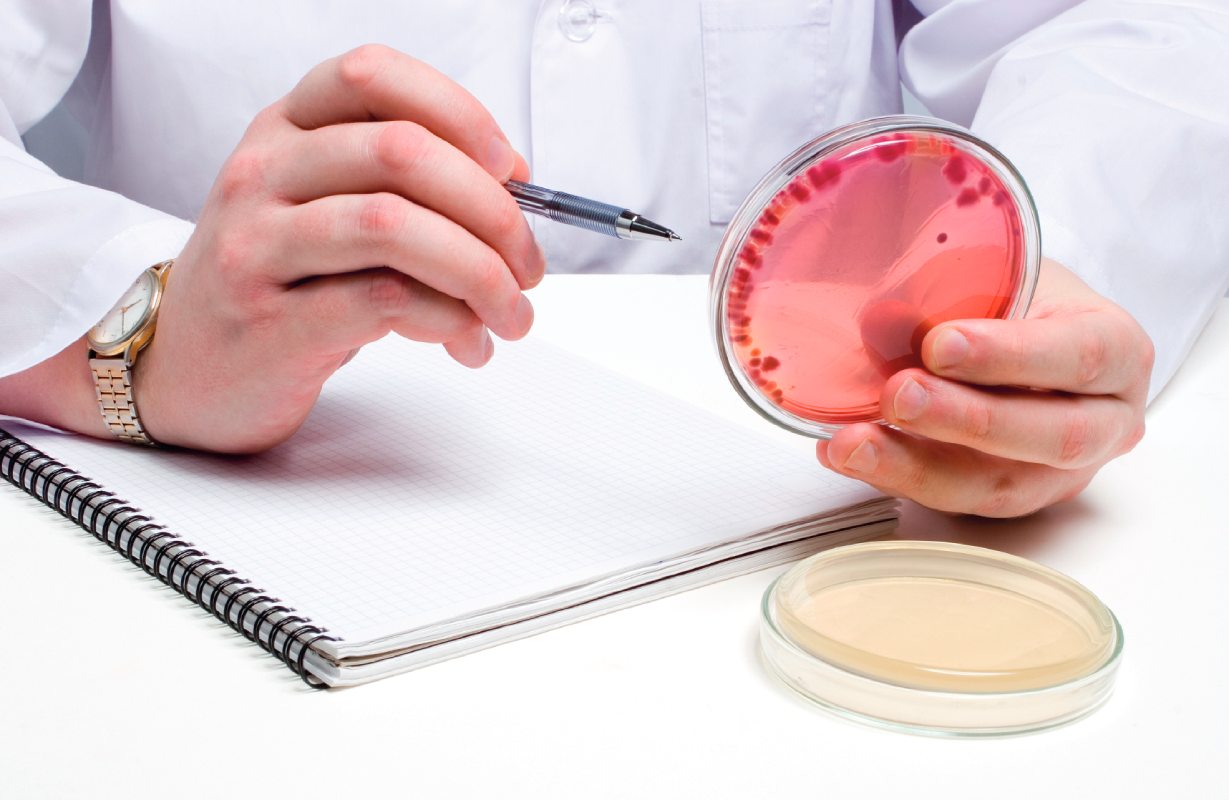
“Every 24 hours, we took a composite 10-gram sample and placed those onto Campy Cefex, an agar that is used to isolate Campylobacter and supplemented the agar with ciprofloxacin for our marker strain. We also enriched the sample in Neogen Campylobacter enrichment broth and then streaked this mixture onto Campy Cefex,” Bailey explained.
The research team repeated the experiment three times, then calculated the averages for initial moisture levels and C. jejuni populations.
Results
For the current experiment, Bailey noted that “Only one treatment showed recoverable C. jejuni after 24 hours, with the starting moisture of 9.28% after drying.” He added that “the treatment was the lowest temperature (4° C), paired with the 35% high moisture level and no sodium bisulfate.” He recovered a 3.7 log concentration of C. jejuni on average after 24 hours, a similar result across all three trials.
After 48 hours, the same treatment resulted in an average 2.54 log concentration of C. jejuni, and after 72 hours, the bacterium was recoverable only by enrichment. And after 95 hours, no Campylobacter was recovered from any of the treatments.
These results demonstrate that “low temperature and high moisture levels can be beneficial to C. jejuni survival,” he said. “This indicates that if you have proper litter treatment, you should be able to mitigate Campylobacter in reused litter.”
Bailey emphasized the importance of downtime revealed in his experiment. “We demonstrated that C. jejuni survived for up to 3 days. With windrow composting, the downtime will be longer,” he explained. Additionally, he noted that sodium bisulfate demonstrated strong mitigation potential, as no C. jejuni was recovered in any trial with sodium bisulfate treatment.
Survival of C. jejuni was limited to approximately 3 days and only under cool, moist and untreated conditions.
Future study
Bailey explained that his study had limitations, one of which was that they examined only culturable cells. “It is possible that we could get survival longer than 3 days if we looked at the nonculturable bio cells,” he said. He also suggested using propidium monoazide, a dye used with PCR to differentiate viable from non-viable organisms.
Additionally, resazurin, a blue dye that can track C. jejuni movement in cultural medium, could be used to further study the bacterium. However, “its use might be limited by the microaerophilic nature of Campylobacter,” he said. Bailey also suggested conducting more controlled live-animal studies and commercial field trials.
Finally, Bailey expressed interest in studying caked litter because of its higher moisture content. “People tend to take the easy samples and skip over the caked litter, which could be an overlooked reservoir.”
The post Temperature, moisture affect Campylobacter jejuni survival in used broiler litter appeared first on Modern Poultry.
Apa Reaksi Anda?
 Suka
0
Suka
0
 Kurang Suka
0
Kurang Suka
0
 Setuju
0
Setuju
0
 Tidak Setuju
0
Tidak Setuju
0
 Bagus
0
Bagus
0
 Berguna
0
Berguna
0
 Hebat
0
Hebat
0