








































%20and%20Batch%20Production%20Records%20(BPR).png)
















Adrenaline Overload: Rare Adrenal Tumors Linked to Hidden Bone Loss
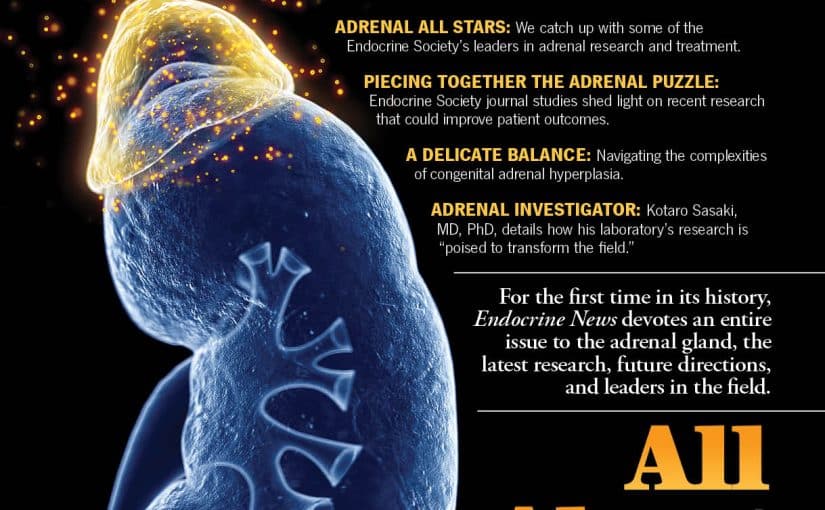
Rare neuroendocrine tumors that flood the body with stress hormones like adrenaline do more than spike blood pressure; they may also be quietly degrading the patient’s skeletal system, according to a comprehensive review published by researchers at Comenius University.
Titled, “Effects of Catecholamines on Bone and Mineral Metabolism in Patients with Pheochromocytoma and Paraganglioma” and appearing in The Journal of Clinical Endocrinology & Metabolism, the article highlights a critical but often overlooked systemic effect of pheochromocytomas and paragangliomas (PPGLs). These tumors produce catecholamines — hormones responsible for the “fight or flight” response — which the authors note are directly linked to decreased bone mineral density and increased bone resorption in affected patients.
As the medical community continues to explore the intersection of the nervous system and bone biology, this study underscores the necessity of a “whole-body” approach to treating neuroendocrine disorders. For patients battling PPGLs, protecting the heart is only half the battle; protecting the architecture of the skeleton is just as vital for a full recovery.
While the cardiovascular impacts of these tumors, such as heart palpitations and hypertension, are well-documented, the impact on bone metabolism has remained in the shadows. Research into catecholamine-driven bone loss has lagged because life-threatening cardiovascular symptoms took clinical priority, and the complex “talk” between the nervous system and the skeleton — a new field called neuro-osteology — was only recently mapped at the molecular level. Additionally, the fluctuating nature of stress hormones, such as cortisol, in patients with severe illnesses and the rarity of patients with catecholamine-secreting tumors made it difficult to isolate these hormones as the primary cause of bone degradation.
The authors synthesized data from experimental models and clinical retrospective studies, revealing that high levels of catecholamines activate specific receptors on bone cells.
“Evidence suggests that β-adrenoceptor signaling increases the rate at which the body breaks down bone tissue,” the authors write. This process, known as bone resorption, leads to lower trabecular bone scores and a higher presence of serum C-terminal telopeptides — markers that indicate the skeleton is being dismantled faster than it can be rebuilt.
The review offers a silver lining for patients diagnosed with these rare tumors. Clinical data analyzed in the article consistently showed that bone mineral density (BMD) began to stabilize or a decline reversed following surgical removal of the tumors. By eliminating the source of excess catecholamines, the skeletal “biological clock” appears to regain balance.
Furthermore, the research suggests a protective role for β-adrenoceptor blockers. Epidemiological studies included in the review indicate that these common medications, often used to treat heart conditions, may help maintain bone density by blocking the harmful signaling pathways triggered by the tumors.
The findings serve as a call to action for endocrinologists and oncologists to include bone health monitoring in the standard care package for PPGL patients. Because these tumors are rare, the skeletal symptoms can easily be mistaken for general aging or other metabolic issues if not specifically screened.
By identifying these risks early through bone turnover markers and BMD measurements, clinicians can implement primary prevention strategies to improve the long-term quality of life for survivors.
As the medical community continues to explore the intersection of the nervous system and bone biology, this study underscores the necessity of a “whole-body” approach to treating neuroendocrine disorders. For patients battling PPGLs, protecting the heart is only half the battle; protecting the architecture of the skeleton is just as vital for a full recovery.
The post Adrenaline Overload: Rare Adrenal Tumors Linked to Hidden Bone Loss appeared first on Endocrine News.
Apa Reaksi Anda?
 Suka
0
Suka
0
 Kurang Suka
0
Kurang Suka
0
 Setuju
0
Setuju
0
 Tidak Setuju
0
Tidak Setuju
0
 Bagus
0
Bagus
0
 Berguna
0
Berguna
0
 Hebat
0
Hebat
0