





















































%20and%20Batch%20Production%20Records%20(BPR).png)















Medical Practice Startup Costs in 2026: What to Budget, What to Expect, and How to Secure Funding

A Comprehensive Budget Breakdown for Physicians Planning to Open Their Own Practice
Table of Contents
- Introduction: Understanding What It Really Costs to Open a Medical Practice
- Total Startup Cost Ranges by Practice Type
- Office Space and Leasehold Improvements
- Medical Equipment and Supplies
- Technology Systems
- Professional Fees and Consulting
- Insurance
- Staffing and Payroll
- Marketing and Patient Acquisition
- The Most Underestimated Cost: Working Capital and the Credentialing Gap
- Specialty-Specific Cost Considerations
- How to Secure Funding for Your Practice Startup
- Tax Advantages for Practice Startups in 2026
- Building Your Startup Budget: A Step-by-Step Framework
- How DoctorsManagement Helps Physicians Budget and Finance Their Startups
- Frequently Asked Questions
Introduction: Understanding What It Really Costs to Open a Medical Practice
One of the first questions every physician asks when considering practice ownership is: “How much will it cost?” The answer is not a single number. It is a range that depends on your specialty, practice model, geographic market, facility requirements, and the level of infrastructure you need to build before seeing your first patient.
Industry data consistently shows that total startup costs for a medical practice range from approximately $70,000 to $500,000 or more. A solo primary care physician launching a lean, insurance-based practice in a modest lease space can start near the lower end. A specialty practice with imaging capabilities, procedural rooms, or surgical facilities will require investment near the upper end. These figures include both the initial capital expenditures (the one-time costs of setting up the practice) and the working capital reserves needed to fund operations during the months before consistent revenue begins flowing.
What makes medical practice startup budgeting particularly challenging is that the costs are distributed across multiple categories that are often unfamiliar to physicians. Medical school provides deep clinical training but virtually no education in commercial leasing, equipment procurement, insurance requirements, technology acquisition, or the financial mechanics of launching a business. Physicians who rely on generic checklists or incomplete cost estimates frequently discover hidden expenses after commitments have already been made, leading to budget overruns, cash flow crises, and unnecessary stress during an already demanding period.
This guide provides a comprehensive, category-by-category breakdown of the costs involved in starting a medical practice in 2026. It covers both the obvious expenses and the hidden costs that catch many physicians off guard, provides specialty-specific considerations, and explains the financing options available to fund your startup. The cost ranges cited here reflect current market conditions and are informed by DoctorsManagement’s extensive experience launching practices across specialties and geographic markets.
Total Startup Cost Ranges by Practice Type
Before examining individual cost categories, it is helpful to understand the total investment range for different practice types:
- Solo Primary Care (Family Medicine, Internal Medicine): $70,000 to $150,000. Basic diagnostic equipment, modest office space, EHR system, and lean staffing
- Solo Specialty (Dermatology, Psychiatry, Cardiology): $100,000 to $250,000. Specialty-specific equipment, potentially larger space requirements, and additional technology needs
- Procedural Specialty (Orthopedics, OB/GYN, Gastroenterology): $200,000 to $400,000. Procedure rooms, specialized equipment, higher leasehold improvement costs, and additional staffing
- Surgical or Imaging-Intensive Specialty: $300,000 to $500,000+. Imaging equipment (ultrasound, X-ray, CT), surgical facilities, higher insurance premiums, and more complex build-out requirements
- Direct Primary Care / Telehealth-First: $30,000 to $75,000. Minimal facility costs, no billing infrastructure, lower technology requirements. The lowest-cost entry point for practice ownership
These ranges include both capital expenditures and the working capital reserves needed to sustain operations during the pre-revenue period. They do not include the physician’s personal living expenses during the startup phase, which should be budgeted separately.
Startup Cost Category 1: Office Space and Leasehold Improvements
Lease Costs
Monthly rent for medical office space varies significantly by market. Most startup practices need between 1,500 and 3,000 square feet, with monthly rents ranging from $2,000 to $8,000 depending on location. Urban and suburban markets in high-cost areas (major metropolitan centers, coastal cities) command rents at the upper end of this range, while rural and mid-market locations typically fall at the lower end.
When evaluating lease proposals, look beyond the base rent. Key lease cost components include:
- Base rent (quoted per square foot per year or per month)
- Common area maintenance (CAM) charges
- Property taxes and insurance pass-throughs
- Utility costs (may or may not be included in the lease)
- Annual escalation provisions (negotiate CPI-based caps rather than fixed percentage increases)
Budget: $2,000 to $8,000 per month, plus deposits and advance payments. Plan for 6 to 12 months of lease payments in your startup capital requirements.
Leasehold Improvements (Build-Out)
Converting a commercial space into a functional medical office is one of the most variable and potentially most expensive startup costs. Build-out costs depend on the condition of the space, the complexity of your clinical needs, and local construction costs.
Typical build-out components include:
- Exam room construction (walls, doors, sinks, cabinetry)
- Reception and waiting area design
- Medical-grade plumbing (exam room sinks, procedure room plumbing)
- Electrical upgrades (dedicated circuits for medical equipment, sufficient outlets)
- HVAC modifications (climate control for clinical areas, proper ventilation)
- ADA accessibility compliance
- Flooring, paint, lighting, and finishing
Budget: $20,000 to $60,000 for a basic primary care build-out; $75,000 to $250,000 for specialty or procedural spaces. Negotiate a tenant improvement (TI) allowance from your landlord to offset some of these costs.
Startup Cost Category 2: Medical Equipment and Supplies
Equipment costs are the most specialty-dependent category in your startup budget.
Basic Equipment (All Specialties)
- Exam tables: $1,500 to $5,000 each
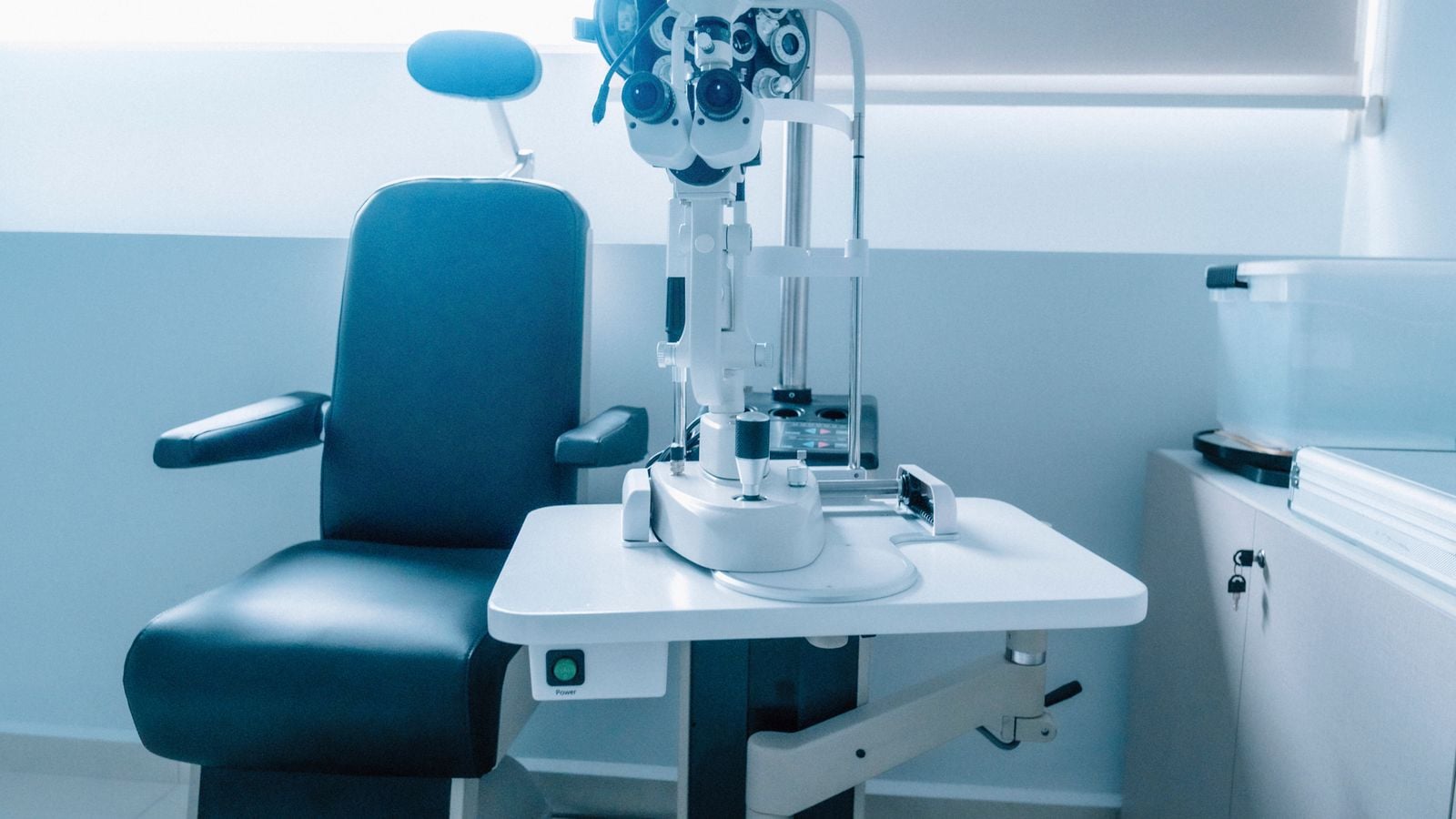
- Diagnostic instruments (otoscope, ophthalmoscope, blood pressure monitors): $500 to $2,000
- Autoclave/sterilization equipment: $2,000 to $5,000
- Scale, thermometers, pulse oximeters: $500 to $1,500
- Office furniture (desks, chairs, reception seating): $5,000 to $20,000
Specialty Equipment Examples
- EKG machine: $2,000 to $8,000
- Ultrasound: $15,000 to $75,000 (new); $5,000 to $25,000 (refurbished)
- X-ray: $50,000 to $150,000 (new)
- Spirometry: $1,500 to $4,000
- Minor procedure setup (instruments, trays, supplies): $3,000 to $10,000
- Dermatology equipment (cryotherapy, biopsy instruments): $5,000 to $15,000
Cost-Saving Strategies
Purchasing gently used or refurbished equipment can reduce costs by 40% to 60% for many categories. Leasing is attractive for expensive, technology-dependent equipment that may become outdated. Avoid the temptation to overbuy at launch; many practices invest in equipment they rarely use. Start with clinical essentials and add capabilities as patient volume and case mix justify the investment.
Budget: $15,000 to $50,000 for primary care; $50,000 to $150,000+ for specialty practices.
Startup Cost Category 3: Technology Systems
- EHR/Practice Management System: $1,000 to $5,000 for implementation and setup; $200 to $800 per provider per month for cloud-based subscriptions
- Revenue Cycle Management (if outsourced): Typically 5% to 8% of collections; no significant upfront cost but an ongoing operational expense
- IT Infrastructure: Computers, networking, printers, phone system, internet: $8,000 to $15,000
- Cybersecurity: HIPAA-compliant security software, encrypted email, backup systems: $2,000 to $5,000 initial setup plus ongoing subscriptions
- Website and Online Presence: Professional medical practice website with online scheduling: $3,000 to $8,000
- Telehealth Platform (if applicable): $100 to $500 per month
Budget: $15,000 to $30,000 for initial technology setup, plus ongoing monthly subscription costs.
Startup Cost Category 4: Professional Fees and Consulting
Professional expertise is not optional when launching a medical practice. The costs of engaging qualified professionals are consistently among the best investments a startup practice can make.
- Healthcare Attorney: Entity formation, operating agreements, lease review, employment agreements, compliance guidance: $3,000 to $10,000
- Accountant/CPA: Tax structure optimization, bookkeeping setup, financial reporting: $2,000 to $5,000 for initial setup plus ongoing monthly fees
- Practice Management Consultant: End-to-end startup consulting including feasibility study, credentialing management, operations design, and ongoing advisory: $30,000 to $60,000 for comprehensive engagement
- Credentialing Services: Professional management of payer enrollment applications: $3,000 to $5,000 depending on the number of providers and payers
Budget: $10,000 to $60,000+ depending on the scope of professional services engaged.
While the consulting investment may appear substantial, industry experience consistently shows that practices working with experienced advisors are significantly more likely to launch on time and on budget compared to those that self-manage the process. The cost of consulting is routinely offset by the revenue gained from faster credentialing, the savings from avoiding common procurement mistakes, and the compliance protection from properly structured operations.
Startup Cost Category 5: Insurance
Insurance is a non-negotiable expense category with costs that vary dramatically by specialty and location.
- Medical Malpractice Insurance: $7,500 to $50,000 annually for most specialties. High-risk specialties (OB/GYN, neurosurgery, orthopedic surgery) pay significantly more, with some markets exceeding $100,000 annually
- General Liability Insurance: $1,000 to $3,000 annually. Covers premises liability (patient injuries from slips, falls, etc.)
- Business Owner’s Policy (BOP): $2,000 to $5,000 annually. Combines general liability with property insurance
- Workers’ Compensation Insurance: Required in most states once you have employees. Costs vary by state, number of employees, and job classifications
- Cyber Liability Insurance: $2,000 to $5,000 annually. Increasingly important given the frequency of healthcare data breaches and HIPAA enforcement
Budget: $15,000 to $65,000 annually for the full insurance portfolio, with higher costs for surgical and obstetric specialties.
Obtain multiple quotes from carriers experienced in medical practice insurance. Negotiate payment schedules (quarterly rather than annual) to reduce the upfront cash burden.
Startup Cost Category 6: Staffing and Payroll
Staffing is the largest ongoing expense for most medical practices, and you will incur payroll costs before the practice generates revenue.
Initial Staffing Costs
Most solo physician startups should begin with 1 to 3 staff members:
- Front desk/receptionist: $15 to $22 per hour ($32,000 to $46,000 annually)
- Medical assistant: $16 to $24 per hour ($34,000 to $50,000 annually)
- Office manager (if separate from front desk): $45,000 to $65,000 annually
- Employer payroll taxes and benefits: Add 15% to 25% to base salary costs for employer FICA, unemployment insurance, and any benefits offered
Pre-Revenue Payroll Burden
You will need to hire and begin paying staff 2 to 4 weeks before opening day to allow for training, system setup, and operational preparation. Combined with the 30 to 90 day delay in receiving payer reimbursements after services are rendered, your total pre-revenue payroll exposure can range from 2 to 6 months of full staffing costs.
Budget: $60,000 to $200,000 annually for a solo practice with 2 to 3 staff members, including employer costs. Plan for 3 to 6 months of payroll in your startup capital reserves.
Startup Cost Category 7: Marketing and Patient Acquisition
- Website development: $3,000 to $8,000 for a professional medical practice website with online scheduling
- Search engine optimization (SEO): $500 to $2,000 per month ongoing
- Google Ads / paid search: $1,000 to $3,000 per month (optional, effective for accelerating initial patient volume)
- Google Business Profile optimization: Free, but critical for local search visibility
- Print materials: Business cards, brochures, signage: $1,000 to $3,000
- Grand opening / community outreach: $1,000 to $5,000
Budget: $5,000 to $20,000 for pre-launch marketing, plus $1,500 to $5,000 per month for ongoing patient acquisition efforts.
The Most Underestimated Cost: Working Capital and the Credentialing Gap
This section describes the single most important financial planning concept for startup practices.
The “credentialing gap” is the period between when your practice opens and when you begin receiving consistent payments from insurance payers. This gap exists because:
- Credentialing takes 3 to 6 months. You cannot bill payers until credentialing is complete. If you open before credentialing is finalized, you may see patients but cannot submit claims to those payers
- Payment processing takes 30 to 90 days. Even after credentialing, there is a lag between service delivery, claim submission, and payment receipt
- Patient volume ramps gradually. New practices do not open to a full schedule. Patient volume builds over 6 to 18 months as the practice establishes its reputation and referral network
During this gap, you must cover all operating expenses (rent, payroll, supplies, insurance, loan payments) from your working capital reserves. Practices that underestimate this gap frequently face cash flow crises that force them to take on additional debt, reduce staffing, or make operational compromises that impair the patient experience and long-term growth.
Budget: Plan for 6 to 12 months of full operating expenses in your working capital reserves. For a solo primary care practice with $15,000 to $20,000 in monthly operating costs, this means $90,000 to $240,000 in working capital. This is in addition to your one-time capital expenditures.
The credentialing gap is the primary reason that total startup capital requirements often significantly exceed the cost of equipment and build-out alone. It is also the reason that DoctorsManagement emphasizes beginning credentialing as the very first step in the startup process, before lease signing, build-out, or equipment procurement.
Specialty-Specific Cost Considerations
Primary Care and Family Medicine
Lower equipment costs and simpler build-out requirements make primary care one of the most accessible specialties for startup. The primary budget drivers are working capital (due to lower per-visit reimbursement and longer ramp-up periods) and marketing (due to competition with established practices and urgent care centers). Total startup budget: $70,000 to $150,000.
Dermatology
Moderate equipment costs (cryotherapy, biopsy instruments, potential cosmetic equipment) and higher per-visit reimbursement. Dermatology startups benefit from strong patient demand and shorter time-to-profitability in most markets. Total startup budget: $100,000 to $200,000.
Orthopedics
Higher equipment costs (imaging, casting/splinting supplies, potential procedure room requirements) and higher per-visit reimbursement. X-ray capabilities add $50,000 to $150,000 to the startup budget. Total startup budget: $200,000 to $400,000.
OB/GYN
Significant equipment costs (ultrasound, fetal monitoring, procedure room setup) and among the highest malpractice insurance premiums of any specialty. OB/GYN startups require careful financial planning to manage the cash flow impact of high insurance costs during the ramp-up period. Total startup budget: $200,000 to $350,000.
Psychiatry and Mental Health
Among the lowest startup costs of any specialty. Minimal equipment requirements, simple office layout, and strong telehealth capability. A psychiatry practice focused on telehealth can launch for under $50,000. An office-based practice typically requires $60,000 to $120,000.
How to Secure Funding for Your Practice Startup
Most physicians do not self-fund their entire startup. The following financing options are available:
SBA 7(a) Loans
The most popular and often most favorable financing option for physician startups. The U.S. Small Business Administration (SBA) guarantees a portion of the loan, reducing lender risk and enabling more favorable terms. SBA 7(a) loans offer competitive interest rates, repayment terms up to 10 years for equipment and working capital (25 years for real estate), and typically require 10% to 20% down payment. Minimum credit score requirements are generally 680+.
Conventional Commercial Bank Loans
Banks with healthcare lending divisions understand medical practice economics and often offer physician-specific loan products with favorable terms. Healthcare-specialized lenders evaluate applications based on your specialty, earning potential, and the strength of your business plan, not just your current assets and income.
Equipment Financing
Dedicated financing for medical equipment, typically structured as a lease or loan with the equipment as collateral. Equipment financing can be easier to obtain than general business loans because the equipment itself secures the debt.
Physician-Specific Lending Programs
Several national banks offer physician loan programs that recognize the unique financial profile of medical professionals: high earning potential, strong repayment history, and significant educational debt. These programs may offer reduced documentation requirements, lower down payments, and more flexible underwriting.
Personal Savings and Family Investment
Having personal capital to contribute reduces borrowing requirements, strengthens your loan application, and demonstrates commitment to lenders. Most startup advisors recommend having at least 10% to 20% of total startup costs available from personal resources.
Preparing Your Financing Package
Lenders want to see a credible business plan, financial pro forma, demographic analysis, personal financial statements, and evidence of your clinical credentials and earning potential. DoctorsManagement assists physicians in preparing comprehensive loan packages that communicate financial viability clearly and professionally.
Tax Advantages for Practice Startups in 2026
Several tax provisions can significantly reduce the after-tax cost of your startup investment:
- Section 179 Deduction: Allows immediate deduction of up to $1.22 million in qualifying equipment purchases in the year the equipment is placed in service (2026 limits). This can substantially reduce your tax liability in the first year of operations
- 100% Bonus Depreciation: For qualifying equipment purchased and placed in service after January 19, 2025, 100% bonus depreciation allows full first-year deduction with no dollar limit. This is particularly valuable for practices with large equipment investments
- Startup Cost Deduction: The IRS allows an immediate deduction of up to $5,000 in startup costs (reduced dollar-for-dollar once total startup costs exceed $50,000), with remaining costs amortized over 180 months
- Qualified Business Income (QBI) Deduction: Physician practice owners may qualify for a 20% deduction on qualified business income through pass-through entities, subject to income limitations for specified service trades or businesses
Work with a CPA experienced in physician practice taxation to optimize the timing of equipment purchases, entity election, and deduction strategies. The tax savings from proper planning can materially reduce your effective startup costs.
Building Your Startup Budget: A Step-by-Step Framework
Use the following framework to build a realistic startup budget for your practice:
- Determine your practice model and specialty requirements. This defines your equipment, space, staffing, and compliance needs
- Estimate one-time capital expenditures. Leasehold improvements, equipment, furniture, technology setup, professional fees, initial marketing
- Calculate monthly operating expenses. Rent, payroll, insurance, supplies, technology subscriptions, billing costs, loan payments
- Multiply monthly operating expenses by your expected pre-revenue period. Typically 6 to 12 months. This is your working capital requirement
- Add capital expenditures plus working capital. This is your total startup capital requirement
- Subtract available personal capital. The remainder is your financing need
- Add a contingency buffer of 10% to 15%. Unexpected costs are inevitable. Build a cushion into your budget from the start
How DoctorsManagement Helps Physicians Budget and Finance Their Startups
DoctorsManagement has helped thousands of physicians launch practices across all specialties and practice models. Our startup consulting services include comprehensive financial planning designed to ensure you start with a realistic budget, secure appropriate financing, and maintain adequate cash flow through the launch period.
Our startup financial services include:
- Feasibility Studies and Financial Pro Formas: Three-year financial projections based on benchmark data, local market analysis, and your specific practice parameters
- Startup Cost Estimation: Detailed, line-by-line cost projections informed by current market pricing and our experience launching practices in your specialty
- Loan Package Preparation: Professional presentation materials for lender meetings, including demographic analysis, financial projections, and startup cost documentation
- Vendor Negotiation Support: Leverage our relationships with equipment vendors, technology companies, and service providers to secure competitive pricing
- PowerBuying Discounts: Access to DoctorsManagement’s group purchasing network for discounted pricing on supplies, equipment, and services
- Accounting and Tax Services: Ongoing financial management, bookkeeping, payroll, and tax planning optimized for physician practice ownership
Contact DoctorsManagement at our Contact Us page or call (800) 635-4040 to schedule a free discovery call about your startup plans.
Frequently Asked Questions
How much does it cost to start a medical practice in 2026?
Total startup costs range from approximately $70,000 for a lean primary care practice to $500,000 or more for a specialty practice with imaging or procedural capabilities. The most significant cost drivers are leasehold improvements, medical equipment, staffing, and working capital reserves to cover the pre-revenue period.
What is the most underestimated startup cost?
Working capital. Many physicians budget for equipment and build-out but underestimate the 6 to 12 months of operating expenses needed to sustain the practice before consistent revenue begins. The credentialing gap (3 to 6 months before you can bill payers) combined with the 30 to 90 day payment processing cycle means practices often operate at a loss for 6 to 12 months after opening.
Can I start a practice with no money down?
While it is possible to secure financing for most startup costs, most lenders require 10% to 20% equity contribution from the physician. Some physician-specific lending programs offer lower down payment requirements. Additionally, strategies such as negotiating tenant improvement allowances, leasing equipment, and outsourcing billing can reduce the upfront capital required.
What type of loan is best for a medical practice startup?
SBA 7(a) loans are generally the most favorable option for physician startups, offering competitive rates, longer repayment terms, and lower down payment requirements. For equipment-specific purchases, equipment financing or leasing may offer better terms. Consult with multiple lenders, including those with healthcare lending specialization, to compare options.
How long until my practice becomes profitable?
Most solo practices reach consistent monthly profitability (revenue exceeding expenses) within 6 to 18 months, depending on specialty, payer mix, and patient volume ramp-up. Full return on the initial startup investment typically takes 2 to 4 years. Specialty practices with higher per-visit reimbursement often reach profitability faster than primary care practices.
Should I buy or lease medical equipment?
Leasing is preferable for expensive, technology-dependent equipment that may become obsolete. Purchasing is generally better for durable equipment that retains value and has a long useful life. For tax purposes, purchased equipment may qualify for Section 179 or bonus depreciation, providing significant first-year deductions. Consult with your CPA to optimize the buy vs. lease decision.
How much should I budget for malpractice insurance?
Malpractice insurance premiums vary dramatically by specialty and location. Primary care physicians typically pay $7,500 to $15,000 annually. Surgical specialties range from $20,000 to $50,000+. OB/GYN and neurosurgery can exceed $100,000 in high-cost markets. Obtain multiple quotes and consider claims-made vs. occurrence policies.
What hidden costs should I watch for?
Common hidden costs include: credentialing delays that extend the pre-revenue period, CAM charges and utility costs not included in base rent, employer payroll taxes and benefits on top of base salaries, EHR implementation and training costs beyond the subscription fee, and compliance infrastructure expenses (HIPAA security risk analysis, OSHA programs, OIG compliance setup).
How can DoctorsManagement help me with my startup budget?
DoctorsManagement provides detailed financial pro formas, startup cost estimation, loan package preparation, vendor negotiation, and ongoing accounting and tax services for physician startups. Contact us or call (800) 635-4040.
This article is provided for informational and educational purposes only and does not constitute legal, financial, or tax advice. Medical practice startup costs vary based on specialty, location, and individual circumstances. Consult with qualified legal, financial, and healthcare consulting professionals when planning your startup budget. DoctorsManagement is available to provide startup consulting, financial planning, and ongoing practice management support.
The post Medical Practice Startup Costs in 2026: What to Budget, What to Expect, and How to Secure Funding appeared first on DoctorsManagement.
Apa Reaksi Anda?
 Suka
0
Suka
0
 Kurang Suka
0
Kurang Suka
0
 Setuju
0
Setuju
0
 Tidak Setuju
0
Tidak Setuju
0
 Bagus
0
Bagus
0
 Berguna
0
Berguna
0
 Hebat
0
Hebat
0