















































%20and%20Batch%20Production%20Records%20(BPR).png)















Beyond the First Wave: What’s Next for Healthcare Energy Efficiency?
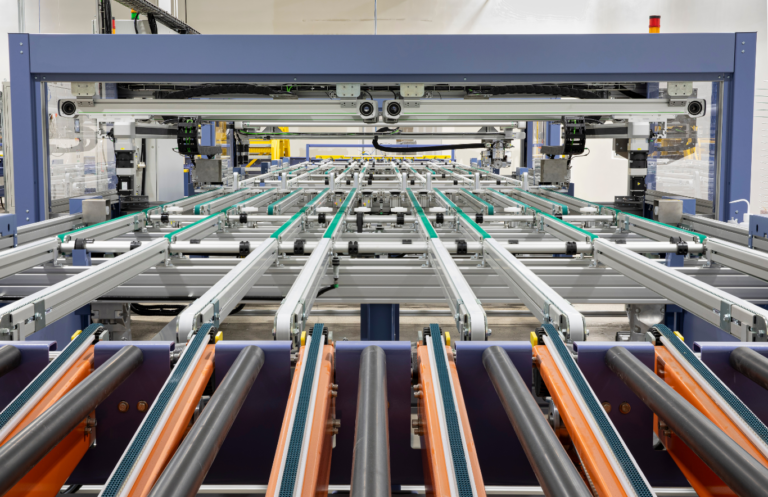
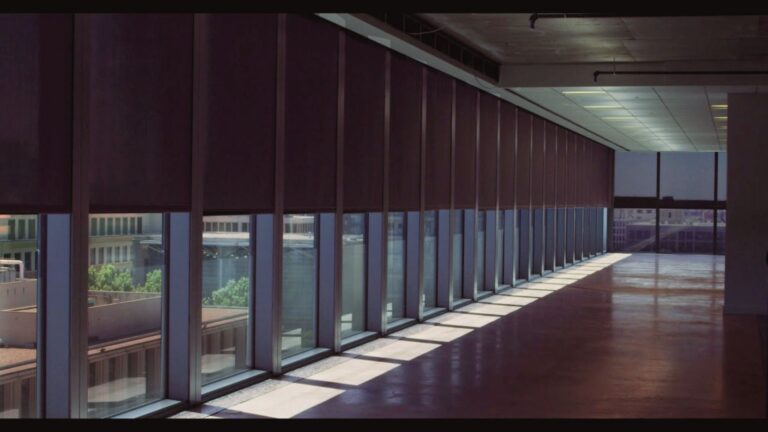
Technologies such as Transparent Insulation are helping redefine what is possible by reducing HVAC demand at the source while preserving occupant comfort, daylight and operational continuity. | Photo Credit (all): LuxWall
By Scott Thomsen
In recent decades, healthcare facilities have reduced energy intensity. Following lighting upgrades, advanced controls, and filtration improvements, hospitals that once operated at 300-500 kBTU per square foot annually now often operate in the 200-400 range.
Yet many systems are now confronting an efficiency plateau, where additional gains are incremental and harder to justify under traditional payback models amid rising electricity rates, stricter codes and operational strain.
Energy Intensive by Design
Healthcare buildings are fundamentally different from other commercial assets. A typical office building operates at 50-80 kBTU per square foot annually, while multifamily properties fall between 60-120 kBTU. Hospitals consume more than double that amount due to strict temperature and humidity requirements, air change rates of 6 per hour for patient rooms to 20-25 for operating rooms, and controlled ventilation tied to infection control and compliance. These conditions are non-negotiable and directly linked to patient safety and litigation risk.
Most low hanging fruit has already been captured. LED lighting, variable frequency drives, and energy efficiency building controls are widely deployed. Equipment optimization has been pursued aggressively. What remains are capital intensive levers: HVAC systems, building envelope performance, and exterior insulation.
Rising Energy Costs Are Reshaping ROI
If a performance upgrade cannot be clearly quantified, it becomes difficult to prioritize within complex healthcare operations. Comfort, acoustics, and daylighting all contribute to patient healing and overall experience, while healthcare systems must also evaluate investments through the lens of cost control, operational efficiency and risk reduction. In many regions, healthcare systems face rising electricity rates and demand charges. A shift from 12 cents to 18 cents per kilowatt hour may seem modest, but for a healthcare system spending $75 million annually on utilities, it can push costs towards $100 million.
Facility leaders are reframing efficiency as energy risk management. Reducing peak loads, stabilizing HVAC demand and insulating against rate volatility are now central to capital planning.
Retrofit and Construction Complexities
The barrier to deeper efficiency gains is not awareness, but the complexity of upgrading legacy infrastructure while maintaining compliance.
Many legacy hospital facilities were built before today’s ventilation standards and infection control requirements were established. Modernizing aging HVAC infrastructure to meet current codes often requires invasive upgrades that can impact entire wings or occupied floors. In some cases, phased retrofits introduce costs, complexity and operational disruption that rivals new construction. As a result, some healthcare systems build new rather than modernize, especially when compliance gaps are significant. While new construction offers flexibility, it requires substantial capital and long lead times. For healthcare organizations seeking near-term energy stabilization, solutions that reduce HVAC strain without major mechanical overhauls or the need to shut down patient wings are increasingly critical.
The Building Envelope as the Next Lever
Glazing upgrades have historically been avoided in healthcare environments because traditional window replacement is invasive, disruptive and operationally complex. Closing patient wings, decanting rooms and coordinating around critical care operations can make façade modernization difficult to justify.
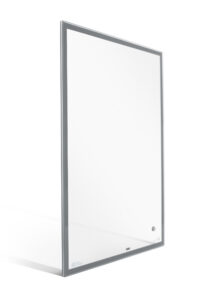
Transparent Insulation is changing that equation. As the only high-performance glazing technology capable of delivering wall-like thermal performance with full transparency, it significantly reduces heating and cooling loads while preserving daylight and supporting patient comfort. By easing strain on continuously operating HVAC systems and enhancing sound attenuation, Transparent Insulation can improve both operational efficiency and the patient environment. Retrofit approaches such as Glass-Only Retrofit also enable room-by-room installation over short durations, minimizing disruption and reducing the need for prolonged shutdowns or patient relocation.
Beyond Patient Rooms
Many research labs and healthcare environments operate at elevated humidity levels, often around 55%, to support critical processes and occupant requirements. Under these conditions, conventional glazing can become vulnerable to condensation, increasing the risk of mold growth, freeze-thaw damage and indoor air quality concerns.
Transparent Insulation helps mitigate these challenges by maintaining warmer interior glass surface temperatures while dramatically improving thermal performance at the window. The result is reduced condensation risk alongside lower heating and cooling demand, a critical advantage in high-ventilation, humidity-controlled facilities that operate continuously.
These sector-specific demands reinforce a broader reality: in healthcare and laboratory environments, building performance cannot be separated from clinical performance. Every infrastructure decision must support infection control, regulatory compliance, operational resilience and uninterrupted care.
From Efficiency to Resilience
The next phase of healthcare energy strategy will be defined not by incremental efficiency gains, but by long-term resilience planning.
Healthcare systems are among the largest energy consumers in their regions, operating facilities that must remain functional 24/7 regardless of grid strain, extreme weather, or rising utility costs. As incentives, collaborative financing structures and performance-based programs continue to expand, the industry is entering a new chapter of infrastructure modernization.
The economic returns from first-wave upgrades such as lighting and controls have largely been captured. What comes next will require healthcare organizations to take a broader view of building performance, one that evaluates the building envelope alongside mechanical systems and prioritizes solutions capable of delivering meaningful impact with minimal operational disruption.
Moving beyond early gains will require:
- Quantifying the full cost of energy volatility
- Reevaluating envelope performance alongside mechanical systems
- Prioritizing retrofits that minimize disruption
- Integrating efficiency into long term risk management strategy
Technologies such as Transparent Insulation are helping redefine what is possible by reducing HVAC demand at the source while preserving occupant comfort, daylight and operational continuity. In environments where uninterrupted care is non-negotiable, solutions that improve performance without requiring prolonged shutdowns or invasive mechanical overhauls are becoming increasingly important.
Healthcare buildings are critical infrastructure. In an era of rising demand, tightening codes, and escalating energy costs, the next phase of performance will depend on investments that extend beyond lighting and controls.
The easy upgrades are done. What comes next will define how resilient and financially sustainable healthcare facilities remain in the decades ahead.
Scott Thomsen is the Chief Executive Officer and Founder of LuxWall.
The post Beyond the First Wave: What’s Next for Healthcare Energy Efficiency? appeared first on HCO News.
The post Beyond the First Wave: What’s Next for Healthcare Energy Efficiency? appeared first on HCO News.
Apa Reaksi Anda?
 Suka
0
Suka
0
 Kurang Suka
0
Kurang Suka
0
 Setuju
0
Setuju
0
 Tidak Setuju
0
Tidak Setuju
0
 Bagus
0
Bagus
0
 Berguna
0
Berguna
0
 Hebat
0
Hebat
0