

















































%20and%20Batch%20Production%20Records%20(BPR).png)

















Bisoprolol, Not Verapamil, Reduces Peak Oxygen Consumption in Nonobstructive HCM: Study
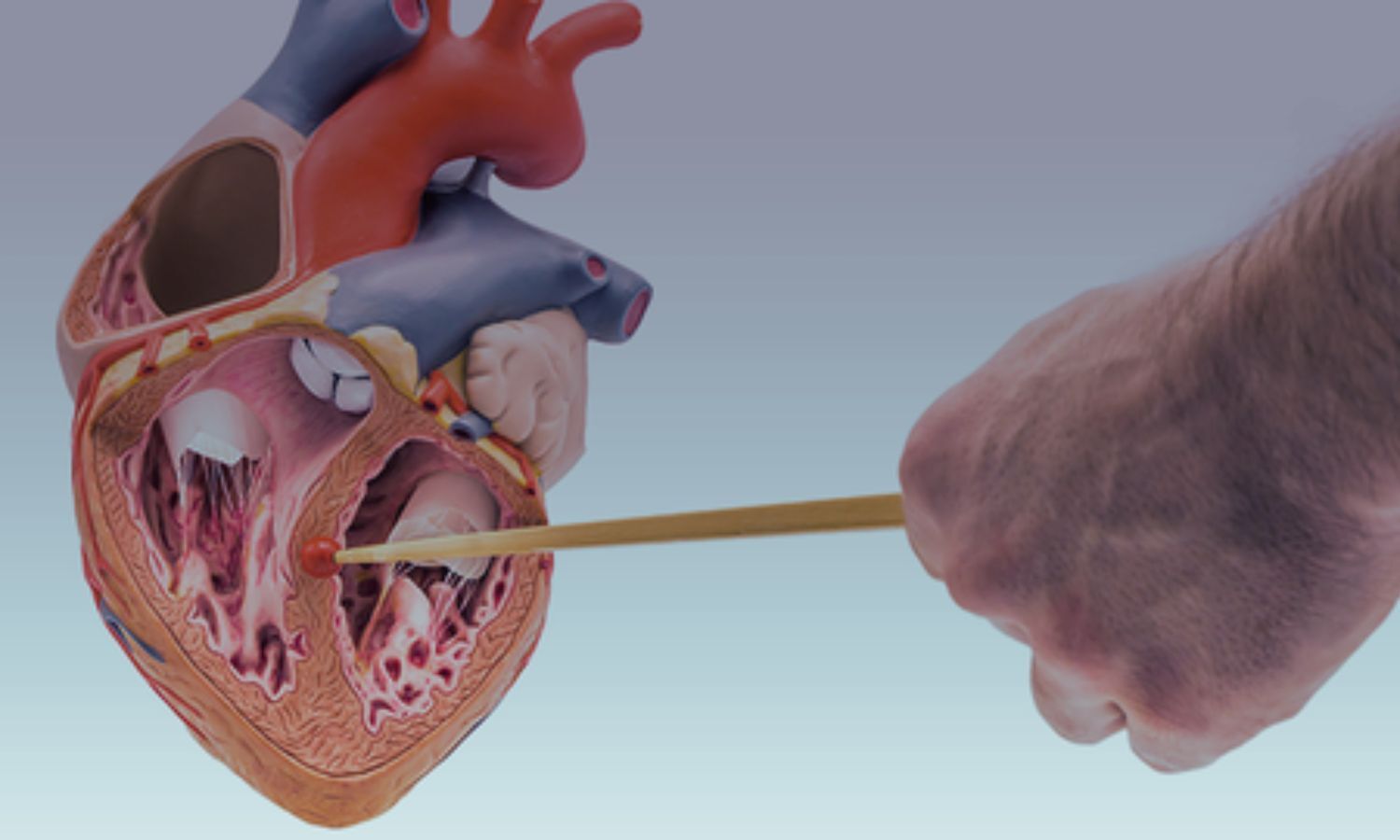
Denmark: Researchers have found in a new trial that among patients with nonobstructive hypertrophic cardiomyopathy (HCM), bisoprolol reduced peak oxygen consumption, whereas verapamil did not show this effect. The findings from the small randomized trial were published in the Journal of the American College of Cardiology.
The study, led by Louise Bjerregaard from the Aarhus University Hospital, addressed a key gap in evidence for treating nonobstructive HCM. Although beta-blockers and calcium-channel blockers are commonly prescribed in this population, robust randomized data supporting their physiologic effects have been lacking.
Investigators conducted a randomized, double-blind, placebo-controlled triple-crossover trial to directly compare bisoprolol and verapamil. Adults with nonobstructive HCM and at least one marker of disease severity—New York Heart Association (NYHA) functional class II or higher, elevated N-terminal pro–B-type natriuretic peptide (NT-proBNP) levels above 300 ng/L, or documented nonsustained ventricular tachycardia—were eligible. Each participant received three sequential treatment periods consisting of bisoprolol 7.5 mg, verapamil 360 mg, and placebo, with outcomes assessed after two weeks at steady-state dosing.
A total of 32 patients were enrolled, with a mean age of 54 years; approximately one-third were women. The primary endpoint was peak oxygen consumption (pVO2), a measure of exercise capacity. Mean pVO2 was lower during bisoprolol therapy (25.7 mL/kg/min) compared with verapamil (28.2 mL/kg/min) and placebo (28.7 mL/kg/min). Statistical analysis showed a significant reduction in pVO2 with bisoprolol versus both verapamil and placebo, while verapamil did not differ from placebo.
The trial revealed the following findings:
- Both bisoprolol and verapamil reduced peak heart rate compared with placebo, with a greater reduction seen with bisoprolol.
- Neither bisoprolol nor verapamil significantly changed oxygen consumption at the anaerobic threshold.
- Neither treatment affected the slope of minute ventilation to carbon dioxide production.
- Verapamil improved global longitudinal strain, suggesting enhanced myocardial function.
- Verapamil significantly reduced NT-proBNP levels compared with placebo.
- Bisoprolol did not improve global longitudinal strain.
- Bisoprolol was associated with increased NT-proBNP levels.
- Bisoprolol increased left atrial volume index.
- Bisoprolol led to a modest rise in tricuspid regurgitation pressure gradient.
- Bisoprolol reduced the Kansas City Cardiomyopathy Questionnaire Overall Summary Score, indicating worsening symptom burden.
- Verapamil did not significantly change the Kansas City Cardiomyopathy Questionnaire Overall Summary Score.
- NYHA functional class remained unchanged during all treatment periods.
The authors concluded that bisoprolol and verapamil exert distinct physiologic effects in nonobstructive HCM. While bisoprolol lowered peak oxygen consumption, verapamil preserved exercise capacity and showed favorable effects on myocardial strain and biomarkers. These insights may help clinicians individualize therapy in patients with nonobstructive HCM, an area where evidence-based guidance has been limited.
Reference: https://www.jacc.org/doi/10.1016/j.jacc.2025.11.028
Apa Reaksi Anda?
 Suka
0
Suka
0
 Kurang Suka
0
Kurang Suka
0
 Setuju
0
Setuju
0
 Tidak Setuju
0
Tidak Setuju
0
 Bagus
0
Bagus
0
 Berguna
0
Berguna
0
 Hebat
0
Hebat
0

Edusehat
Platform Edukasi Online Untuk Komunitas Kesehatan Agar Mendapatkan Informasi Dan Pengetahuan Terbaru Tentang Kesehatan Dari Nasional Maupun Internasional. ||
An online education platform for the health community to obtain the latest information and knowledge about health from both national and international sources.