

































%20and%20Batch%20Production%20Records%20(BPR).png)













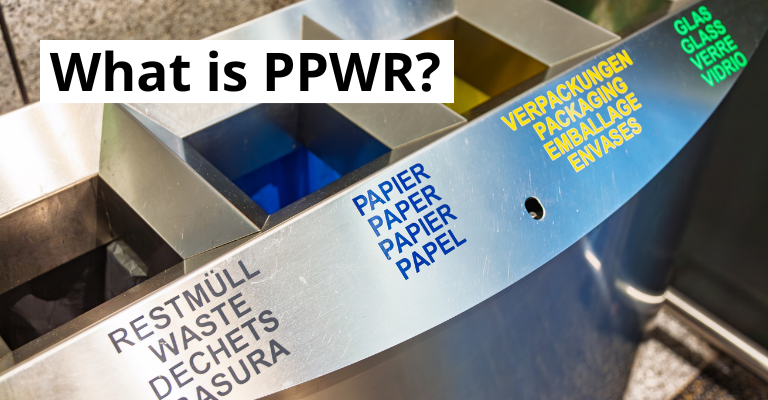


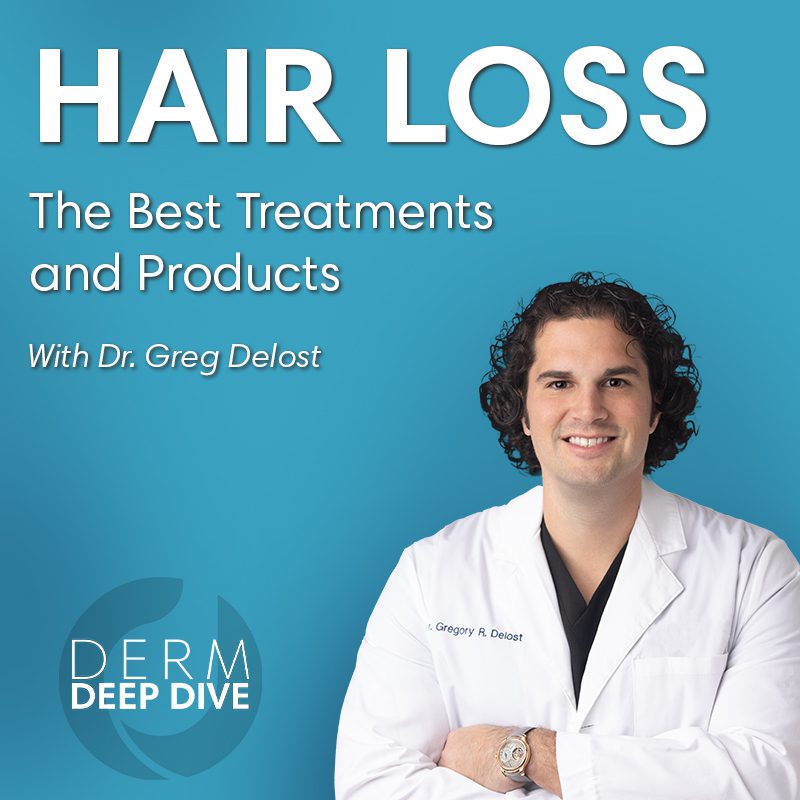
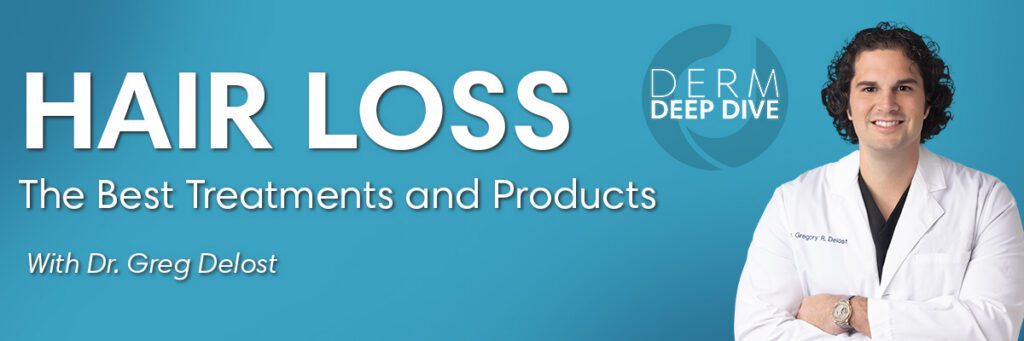
Derm Deep Dive: The Best Products and Treatments for Hair Loss
How to Get the Most from a Hair Regrowth Plan
When you’re dealing with hair loss, it can feel overwhelming and frustrating to navigate a sea of shampoos, serums, and supplements that all promise to add thickness and volume.
Social media is also full of trends and products that claim to be the “best” treatments for hair loss. While it can be tempting to jump on those, many products and treatments don’t perform the way they promise.
In this month’s Derm Deep Dive, we’re recognizing Hair Loss Awareness Month with expert advice from our team.
Tackling hair loss or hair thinning doesn’t start with a treatment – it starts with a question. Why is it happening?
Before Treating Hair Loss, Identify the Root Cause
Hair loss or hair thinning can be caused by a number of factors:
- Hormones
- Genetics
- Nutritional deficiencies
- Autoimmune conditions
- Medication side-effects
- Anxiety or stress
- An underlying medical issue
No single treatment will work for everyone, but dermatologists are experts in diagnosing hair loss and identifying a best-approach treatment based on the root cause.
Although the term “hair loss” is often tossed around as a diagnosis (i.e. “they suffer from hair loss”), it’s actually a symptom, because the body sheds hair when there is an underlying cause.
That’s why treatment for hair loss caused by nutritional deficiencies or medical conditions like thyroid disorder is different from treatment for androgenetic alopecia, (more commonly referred to as male pattern baldness and female pattern hair loss).
In some cases, hair loss is temporary. Hair will typically regrow on its own if it is a symptom of these conditions or situations:
- Postpartum hair loss
- Recovery from a major surgery or illness
- Rapid weight loss or losing 20 pounds or more
- Scalp psoriasis treatment
- Alopecia areata, which causes the immune system to attack hair follicles
While hair may regrow as these conditions and situations resolve, it can take time and often requires a targeted, consistent treatment plan, or lifestyle changes.
What Over-the-Counter Hair Loss Treatments Would My Dermatologist Recommend?
Numerous over-the-counter hair loss treatments can reduce hair loss or add volume to thinning hair, but the right one depends on the right diagnosis and hair restoration plan and should have clinical evidence backing it up.
Here are a few OTC hair loss products your dermatologist may recommend:
Minoxidil (Rogaine)
A widely-known and used treatment, minoxidil is a well-studied and FDA-approved topical for male pattern baldness and female pattern hair loss. It is available over-the-counter without a prescription, and is offered in both liquid/shampoo and foam formulations; as of recent years, an oral option has become popular. Minoxidil is designed to increase blood flow around the hair follicles, stimulating hair growth and preventing further hair loss. However, it is most effective when used in combination with another hair loss treatment, and it can take up to a year to see results.
Oral Hair Growth Supplements
There are many oral supplements out there claiming to help with hair loss. But their specific blends and individual clinical studies matter a lot when deciding which to use for your specific hair loss treatment plan.
Our team often recommends Nutrafol®, which offers a blend of vitamins, minerals, botanical ingredients, and adaptogens that support healthy hair growth for a variety of hair loss and hair thinning issues. For example, Nutrafol has a postpartum formula to encourage hair regrowth following birth.
Specific formulations in nutraceuticals can improve hair density and reduce hair loss but recommend dermatologists guide patients through nutraceutical use to ensure optimal results. Additionally, if there is an underlying medical condition causing your hair loss, a supplement is unlikely to help.
What Are Some In-Office Hair Loss Treatments I Could Try?
After consulting with your dermatologist, it may be necessary to try an in-office treatment for your specific type of hair loss. There are several options that could be offered to you.
Microneedling in Combination with Minoxidil
For best results, microneedling is recommended as a complement to topical hair growth treatments like minoxidil. Microneedling applies tiny, controlled needles to the scalp, creating microscopic channels and stimulating the body’s natural healing response, which can enhance the absorption of minoxidil or other topicals.
Platelet-Rich Plasma (PRP)
A platelet-rich plasma treatment involves drawing a small amount of your own blood and processing it in a machine that separates it into parts. The plasma from your blood is then injected into areas of hair loss or thinning to stimulate the hair follicles and encourage regrowth.
Prescription Medications
Whether prescribed in combination with a topical like minoxidil or as a single treatment option, prescription hair loss medications can be effective for hair restoration. Depending on your underlying diagnosis, these prescriptions can include:
- Topical medications
- Oral medications
- Anti-inflammatories for certain types of alopecia
- Treatments for hormonal causes of hair loss
Your dermatologist will evaluate your age, medical history, hair loss pattern, and overall health before recommending a prescription treatment.
A Personalized Hair Loss Treatment Plan Works Best
Effectively treating hair loss or hair thinning relies on a personalized plan because the underlying diagnoses are different for everyone. Even though you can do a quick online search and find thousands of products claiming to reverse hair loss, these solutions rarely target the underlying cause and many lack the clinical evidence to back their effectiveness.
If you do search for treatments online, here are some claims to be cautious of:
- Results that are “fast”, “instant”, or “permanent”
- Guaranteed hair regrowth
- “Miracle” or “amazing” ingredients
- Products that are not backed by clinical studies or published research
The old rule of thumb applies here: if it sounds too good to be true, it usually is.
Conversely, your dermatologist will provide a personalized approach that typically combines more than one therapy. Based on your diagnosis, your tailored treatment plan may include:
- A medical evaluation to diagnose the underlying cause
- Prescription medications
- Over-the-counter topical treatments
- Nutritional guidance
- PRP therapy
- Microneedling
- Ongoing follow-ups to monitor progress and ensure effectiveness
What to Expect from Any Hair Regrowth Treatment
It’s important to remember that hair grows slowly, and any effective treatment is going to take time. That’s why claims of “immediate results” are disingenuous.
Whether you’ve experienced hair loss or hair thinning for a long period of time or are trying to treat a recent issue, your dermatologist can work with you to develop a customized plan and realistic expectations that can create long-term results.
Hair loss or hair thinning can affect your confidence and impact your day-to-day life. Our goal at Optima Dermatology is to recommend and administer treatments that are backed by our expertise and by science.
If you’re concerned about hair loss or hair thinning, schedule an appointment today with one of our expert providers.
Frequently Asked Questions About Hair Loss and Hair Thinning
What is the most effective treatment for hair loss?
The best treatment depends on the cause of your hair loss. Options may include topical or oral medications, nutritional supplements, PRP or PRF therapy, microneedling, or a combination of treatments. A dermatology evaluation is the best way to determine which approach is right for you.
Do over-the-counter hair growth products really work?
Some do. FDA-approved topical minoxidil has strong evidence supporting its use for pattern hair loss. Certain supplements, such as Nutrafol, may benefit selected patients, but many products marketed for hair growth have limited scientific support.
How long does it take to see results from hair loss treatment?
Most evidence-based treatments require consistent use for three to six months before noticeable improvement occurs. Hair restoration is gradual, and ongoing treatment is often needed to maintain results.
What is the difference between PRP and PRF for hair loss?
Both treatments use components of your own blood to stimulate hair follicles. PRF contains a higher concentration of platelets and fibrin and releases growth factors over a longer period, while PRP has been studied more extensively. Your provider can recommend which option may be appropriate for your specific condition.
When should I see a dermatologist about hair loss?
You should schedule an evaluation if you notice sudden hair loss, excessive shedding, patchy bald spots, scalp irritation, or gradual thinning that continues to worsen. Early diagnosis often leads to more successful treatment outcomes.
The post Derm Deep Dive: The Best Products and Treatments for Hair Loss appeared first on Optima Dermatology.
Apa Reaksi Anda?
 Suka
0
Suka
0
 Kurang Suka
0
Kurang Suka
0
 Setuju
0
Setuju
0
 Tidak Setuju
0
Tidak Setuju
0
 Bagus
0
Bagus
0
 Berguna
0
Berguna
0
 Hebat
0
Hebat
0