


































%20and%20Batch%20Production%20Records%20(BPR).png)











Understanding Rosacea: Symptoms, Triggers, and Treatment Options
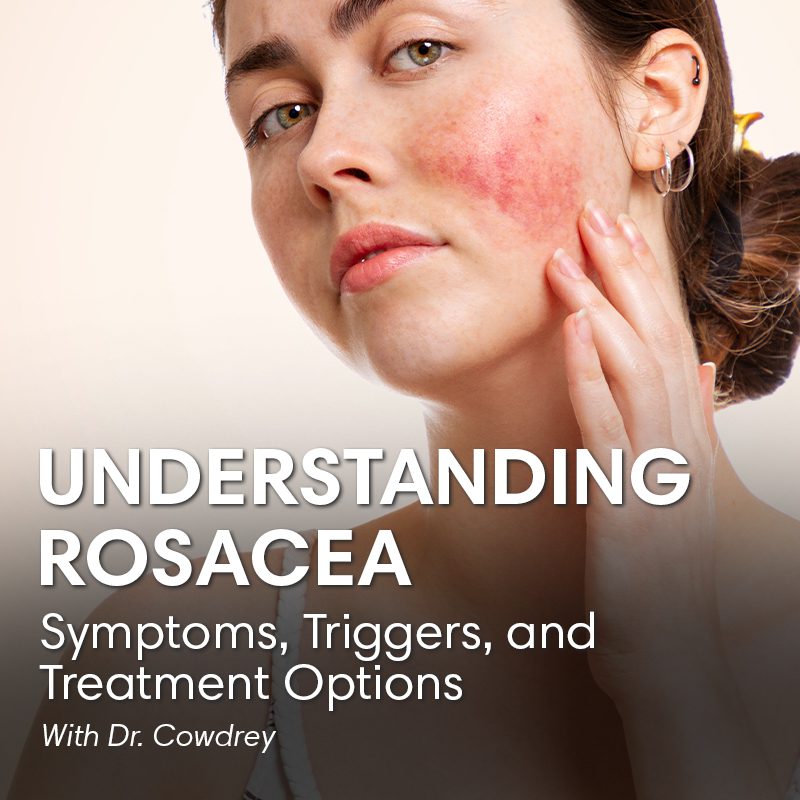
Rosacea is a common, chronic inflammatory skin condition that primarily affects the central face. While it cannot be permanently cured, it can be effectively managed with the right skincare routine, lifestyle modifications, prescription medications, and, when appropriate, laser treatments.
If you’ve noticed persistent facial redness, frequent flushing, or acne-like breakouts that don’t respond to traditional acne treatments, rosacea may be the cause.
What Is Rosacea?
Rosacea most commonly affects adults over the age of 30 and typically develops gradually. It often follows a pattern of flare-ups and periods of improvement, making consistent treatment and skincare especially important.
Common signs and symptoms include:
- Persistent redness of the cheeks, nose, chin, or forehead
- Episodes of flushing
- Visible blood vessels (telangiectasias)
- Acne-like bumps and pustules
- Skin sensitivity, dryness, burning, or stinging
- Thickening of the skin, particularly around the nose in more advanced cases
- Eye irritation or redness (ocular rosacea)
Because Rosacea symptoms can vary from person to person, an individualized treatment plan is often the most effective approach.
Build a Gentle Skincare Routine
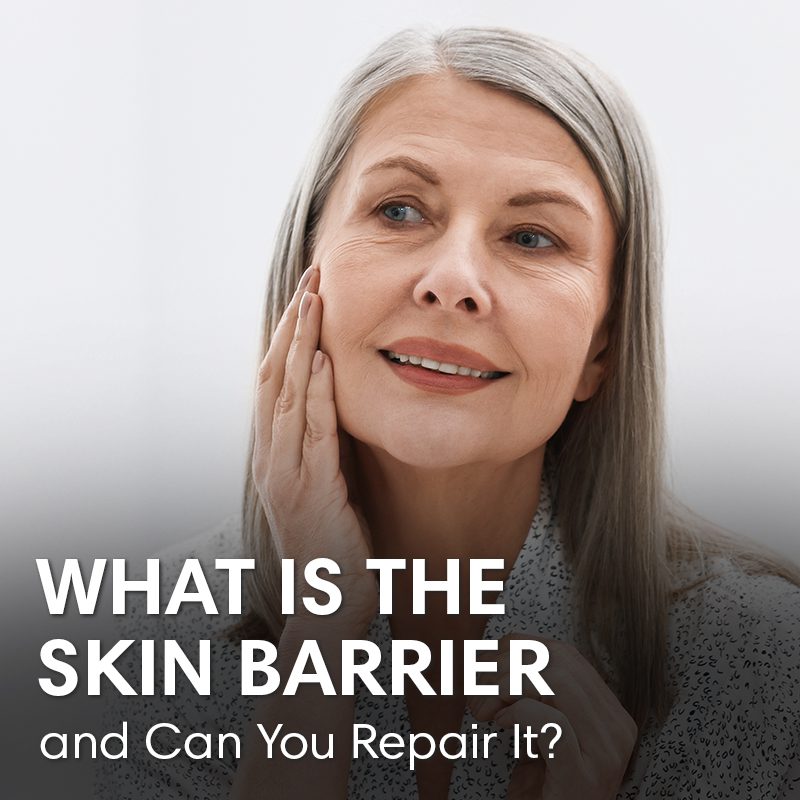
One of the most important steps in managing rosacea is protecting the skin barrier. Gentle, fragrance-free skincare can help reduce irritation and minimize flares.
When choosing skincare products, look for formulas with minimal ingredients and avoid products containing fragrances, essential oils, botanicals, or plant extracts, which can be irritating to sensitive skin. See below for Dr. Cowdrey’s product recommendations for Rosacea prone skin.
Gentle Cleansers
We recommend:
- CeraVe Hydrating Cleanser
- Cetaphil Gentle Skin Cleanser (avoid the original Cetaphil Cleanser, which has fragrance in it)
Moisturizers
A good moisturizer helps strengthen the skin barrier and reduces dryness and irritation.
Recommended options include:
- Aveeno Eczema Therapy Cream
- CeraVe Moisturizing Cream
- Vanicream Moisturizing Cream
Daily Sunscreen
Sun exposure is one of the most common rosacea triggers, making sunscreen an essential part of your daily routine.
Mineral sunscreens are generally better tolerated by sensitive skin.
Recommended options include:
- Vanicream SPF 30 with Ceramides
- EltaMD UV Physical (lightly tinted)
- Native Unscented Mineral Sunscreen (be sure to choose the fragrance-free version)
Products to Avoid
Certain skincare products and cleansing tools can worsen rosacea by disrupting the skin barrier.
Avoid:
- Harsh exfoliating scrubs
- Cleansing brushes
- Loofahs
- Washcloths
- Sponges
Some soaps can also be excessively drying and irritating. We recommend avoiding:
- Irish Spring
- Ivory
- Caress
- Coast
- Old Spice
- Bath & Body Works soaps
- Zest
- Dial
- Lever 2000
- Tone
- Axe
- Safeguard
- Lush
- Native scented soaps
Prescription Treatment Options
While a gentle skincare routine forms the foundation of rosacea management, many patients also benefit from prescription treatments.
Depending on your symptoms, treatment may include:
- Prescription topical medications to reduce inflammation
- Oral medications for moderate to severe rosacea
- Combination therapy for improved symptom control
Your dermatologist will recommend a treatment plan based on the type and severity of your rosacea.
Treating Persistent Redness and Visible Blood Vessels
Although prescription medications can help reduce inflammation and acne-like bumps, they often do not fully treat persistent redness or visible blood vessels.
Laser and light-based treatments target the underlying blood vessels responsible for redness and can significantly improve your skin’s appearance.
Common treatment options include:
Pulsed Dye Laser (PDL or Vbeam®)
The Pulsed Dye Laser selectively targets visible blood vessels, reducing redness and flushing while preserving the surrounding skin.
IPL (Intense Pulsed Light) and BBL (BroadBand Light)
IPL and BBL treatments use broad-spectrum light energy to minimize redness, improve uneven skin tone, and reduce visible facial blood vessels.
Most patients require a series of treatments to achieve optimal results, and occasional maintenance treatments may be recommended to help keep rosacea under control.
Living Well with Rosacea
Although rosacea is a lifelong condition, it doesn’t have to control your life. With consistent skincare, trigger avoidance, medical treatment, and advanced laser therapies when needed, most patients can achieve significant improvement in both symptoms and skin appearance.
If you’re experiencing persistent facial redness, flushing, or sensitive skin, schedule an evaluation with a board-certified dermatologist. Early diagnosis and personalized treatment can help prevent progression and keep your skin looking and feeling its best.
The post Understanding Rosacea: Symptoms, Triggers, and Treatment Options appeared first on Optima Dermatology.
Apa Reaksi Anda?
 Suka
0
Suka
0
 Kurang Suka
0
Kurang Suka
0
 Setuju
0
Setuju
0
 Tidak Setuju
0
Tidak Setuju
0
 Bagus
0
Bagus
0
 Berguna
0
Berguna
0
 Hebat
0
Hebat
0