











































%20and%20Batch%20Production%20Records%20(BPR).png)












Advancing Therapist Workflows: Evaluating AI Technologies for DAP Notes

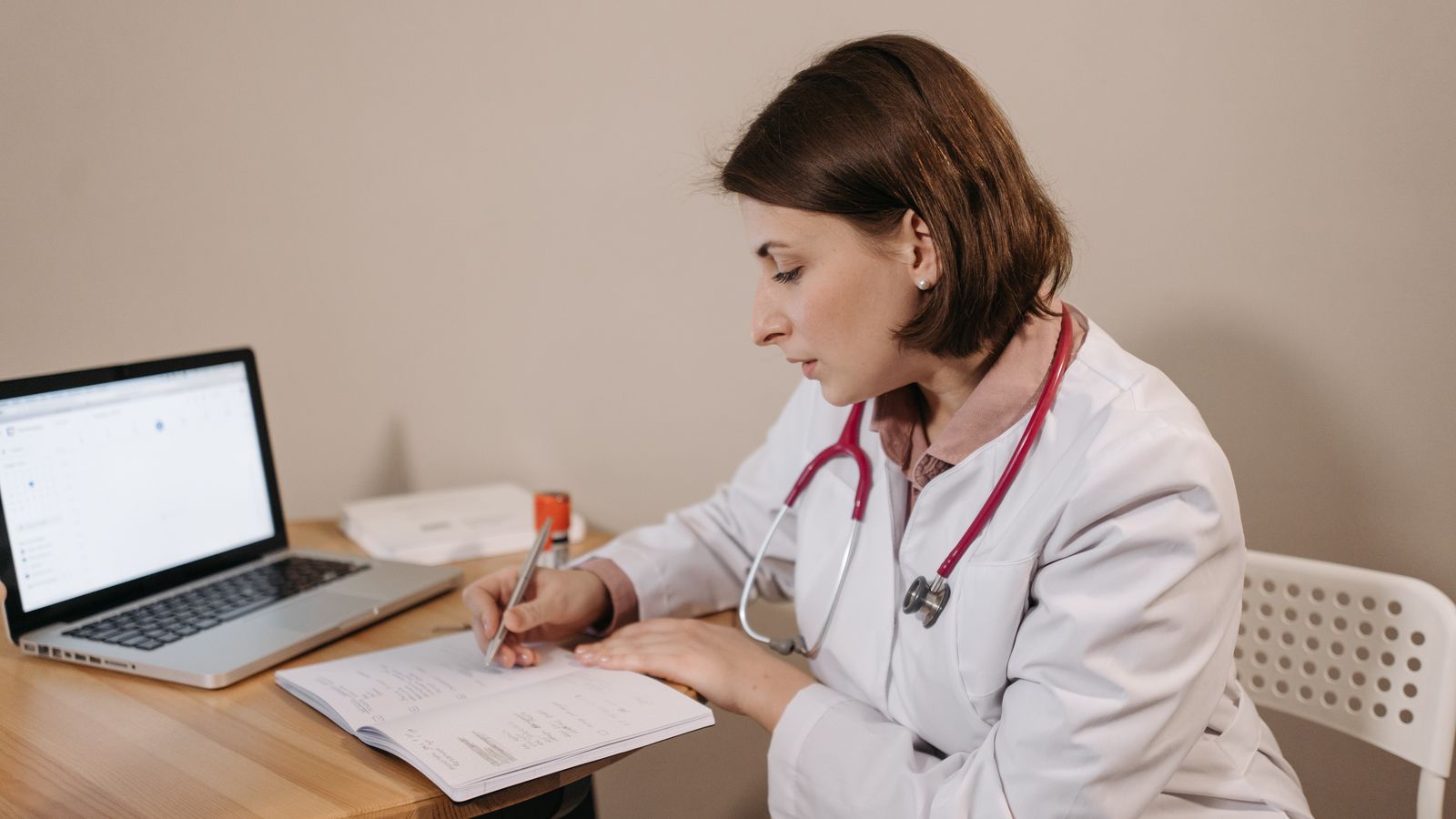
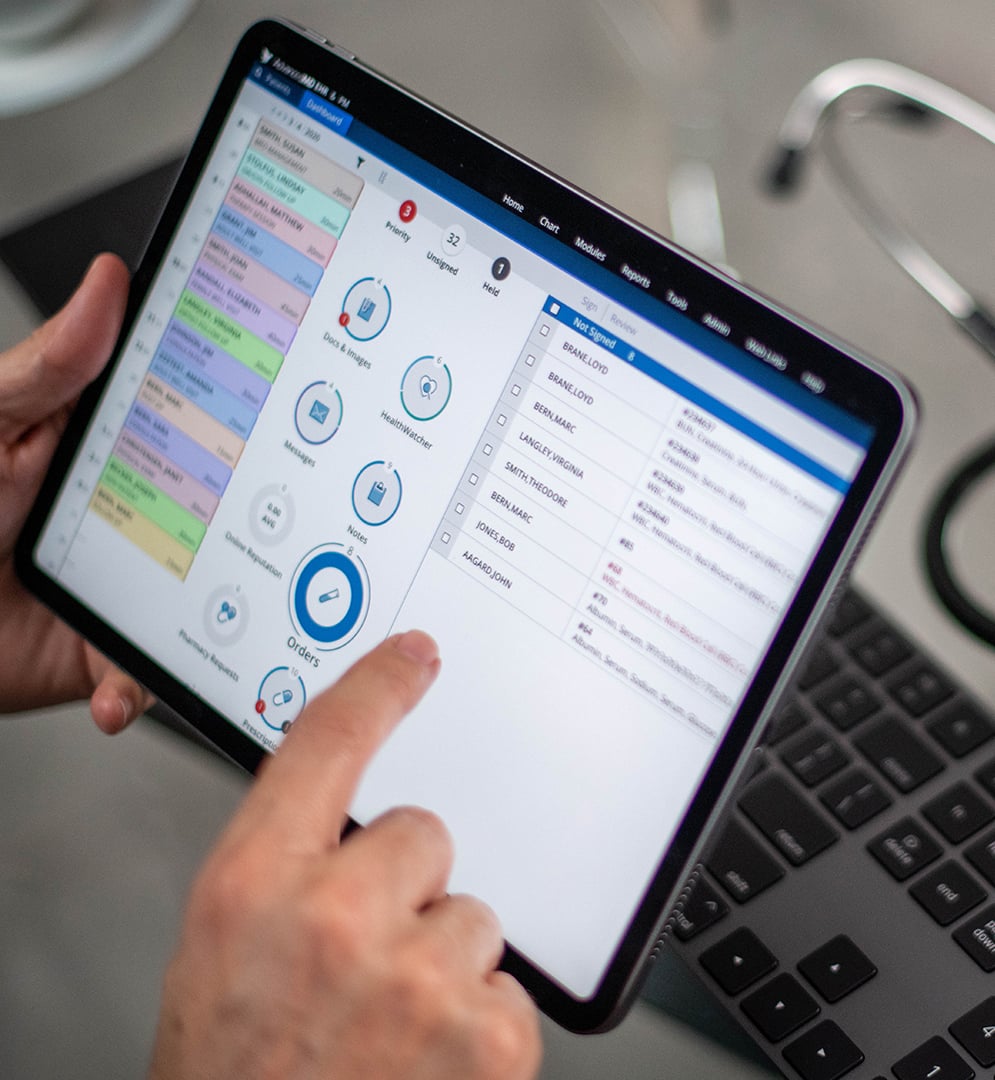
As mental health practitioners must balance quality care with the administrative demands of clinical documentation, Data, Assessment and Plan (DAP) notes have become a common framework for recording session details, treatment progress and next steps. While this format brings consistency to records, it also adds to the time therapists spend outside of sessions documenting interactions rather than focusing on the therapeutic relationship itself.
Meeting provincial documentation standards while managing full caseloads leaves little room for shortcuts, making the right supporting technology a practical necessity.
The Documentation Burden Facing Today’s Therapists
Clinical documentation is one of the most time-intensive aspects of mental health practice, and the demands rarely end when the session does. Therapists spend hours each week translating session observations into structured notes that meet regulatory standards, insurance requirements and continuity-of-care expectations. For many practitioners, this administrative weight extends far beyond office hours and contributes directly to professional burnout.
A 2025 study found that 26% of surveyed physicians at a Canadian mental health organization met burnout criteria, and most of those who were burned out attributed it to electronic health record use.
The DAP format itself is a major driver of that time commitment. Each entry requires practitioners to work through three distinct components before a note is complete:
- Data: observable, session-specific details, including what the client said, presented or reported
- Assessment: the practitioner’s clinical interpretation of that data, tied to treatment goals
- Plan: next steps for treatment, including interventions and follow-up actions
Working through all three sections with care takes real time and focus, especially across a full caseload. Mental health AI documentation tools for DAP notes have emerged as one response to this challenge.
More broadly, roughly one in three working-age Canadians are reported to experience burnout. Administrative burden is a recurring theme in burnout research across professions, and AI-powered documentation tools are increasingly positioned as one way to reduce time spent on note-taking.
Three Best AI Tools for Generating DAP Notes for Therapists
For therapists weighing their options, finding the best therapy note AI for DAP notes often comes down to a handful of platforms built specifically for mental health documentation, each taking a somewhat different approach to the same underlying problem.
1. Owl Practice
As AI clinical notes software for therapists, Owl Practice offers a practice management platform that pairs day-to-day mental health workflows with built-in documentation support. Its Smart Notes feature generates DAP-formatted notes from session details, cutting down the time practitioners spend translating clinical observations into written records.
Key Features
- Smart Notes generates DAP-formatted documentation directly from session details
- Purpose-built for mental health professionals rather than adapted from general healthcare software
- Integrates practice management tools alongside documentation support
- Reduces administrative time so practitioners can focus on client connection
2. Mentalyc
For practices wanting broad modality coverage, Mentalyc offers purpose-built documentation support with a template library spanning DAP, SOAP, BIRP, GIRP and EMDR formats, drawing on more than 100 therapy-specific templates.
Key Features
- Offers more than 100 therapy-specific note templates
- Supports DAP, SOAP, BIRP, GIRP and EMDR formats
- Built specifically for behavioural health documentation
- Works alongside existing EHR systems rather than replacing them
3. Upheal
Alongside note generation, Upheal integrates session analytics and maintains compliance with PIPEDA and HIPAA standards, making it a relevant option for Canadian practitioners tracking session-level insights over time.
Key features
- Generates DAP, SOAP, BIRP and GIRP notes
- Meets PIPEDA and HIPAA compliance standards
- Includes built-in session analytics alongside documentation
- Offers customizable note sections for practitioner-specific workflows
Comparing Options at a Glance
Each platform brings distinct strengths to the documentation process, summarized below for quick comparison.
| Company | Best For | Note Formats Supported | Canadian Privacy Compliance | Standout Feature |
| Owl Practice | Mental health-specific practice management | DAP via Smart Notes | PIPEDA | Built specifically for mental health professionals |
| Mentalyc | Broad modality coverage | DAP, SOAP, BIRP, GIRP, EMDR | HIPAA, PIPEDA | 100+ therapy-specific templates |
| Upheal | Session analytics alongside documentation | DAP, SOAP, BIRP, GIRP | PIPEDA | Combines note generation with session insight tracking |
Criteria for Selecting the Top Tools
Each featured company offers mental health AI documentation tools for DAP notes, Canadian privacy compliance and integration pathways that fit into existing clinical workflows without demanding extensive technical expertise.
Choosing the Right Fit
With the right AI tool, DAP note documentation does not have to consume the majority of a therapist’s non-clinical hours. The best tool depends on practice size, budget and whether Canadian privacy compliance through PIPEDA or PHIPA matters most. These technologies offer a path toward lighter administrative loads, leaving more time for the client relationships that drew practitioners to the field in the first place.
The post Advancing Therapist Workflows: Evaluating AI Technologies for DAP Notes appeared first on Hospital News.
Apa Reaksi Anda?
 Suka
0
Suka
0
 Kurang Suka
0
Kurang Suka
0
 Setuju
0
Setuju
0
 Tidak Setuju
0
Tidak Setuju
0
 Bagus
0
Bagus
0
 Berguna
0
Berguna
0
 Hebat
0
Hebat
0








