








































%20and%20Batch%20Production%20Records%20(BPR).png)









Lab-Grown Neocortex Models Mimic Early Brain Organization
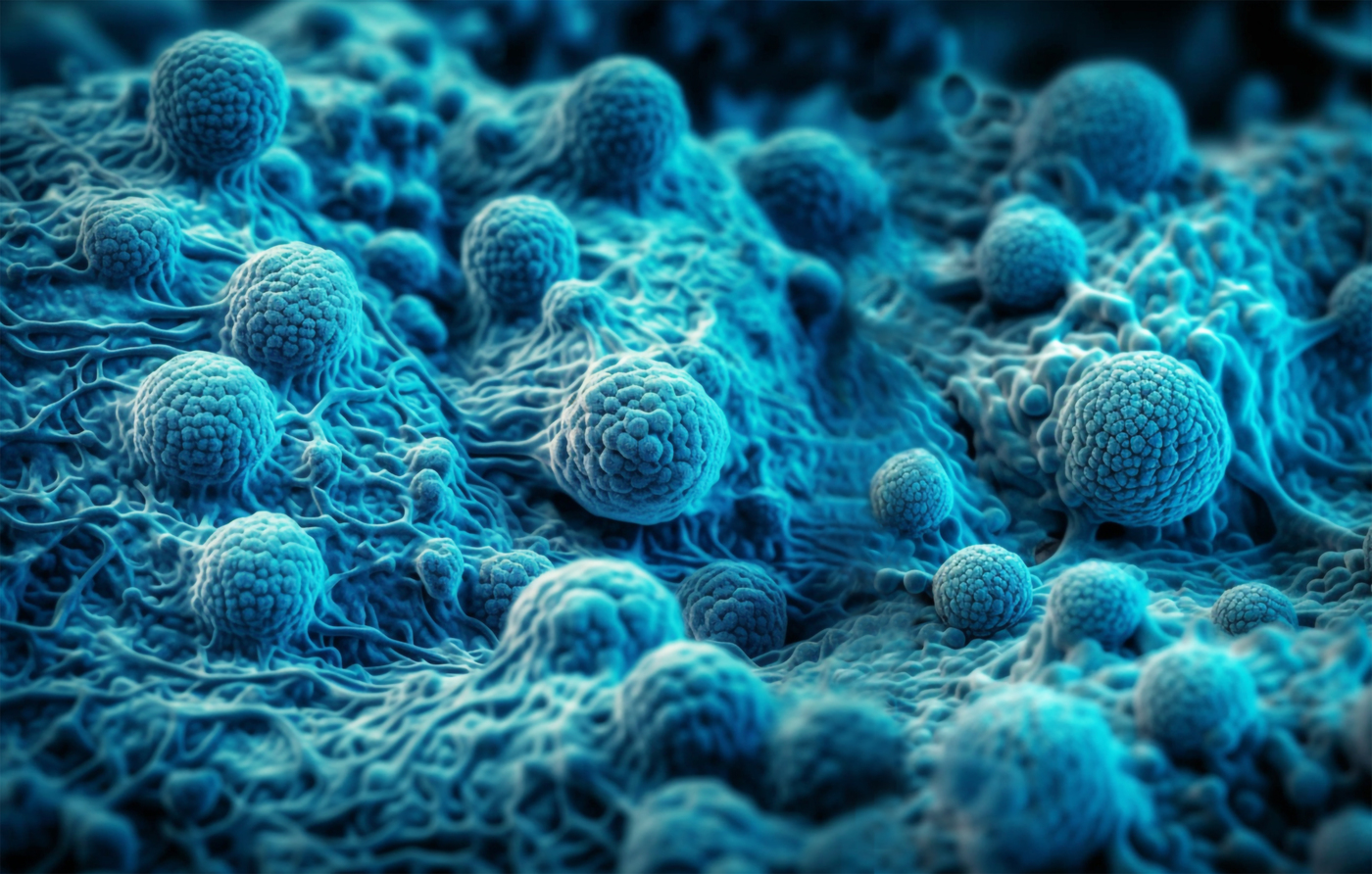
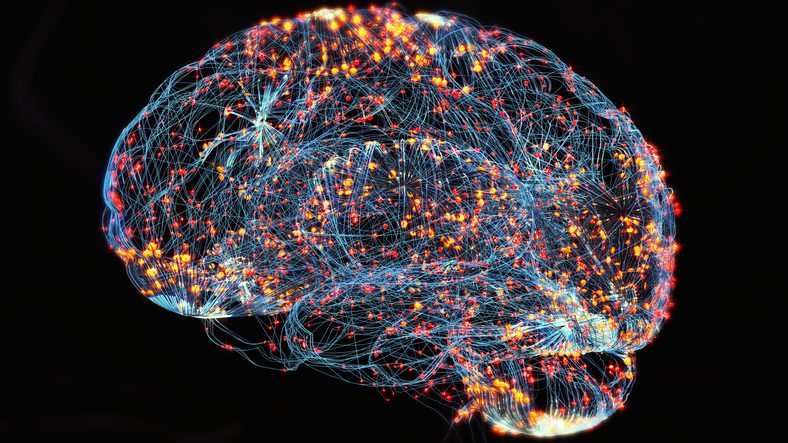
During brain development, distinct areas emerge that take on different jobs including movement, vision, memory, and language. At this stage of development, chemical signals help tell developing cells where they are, contributing to differences between areas at the front and the back of the cerebral cortex. This process, dubbed arealization by scientists, is believed to underpin much of the brain’s activity and may help explain what occurs in some brain disorders.
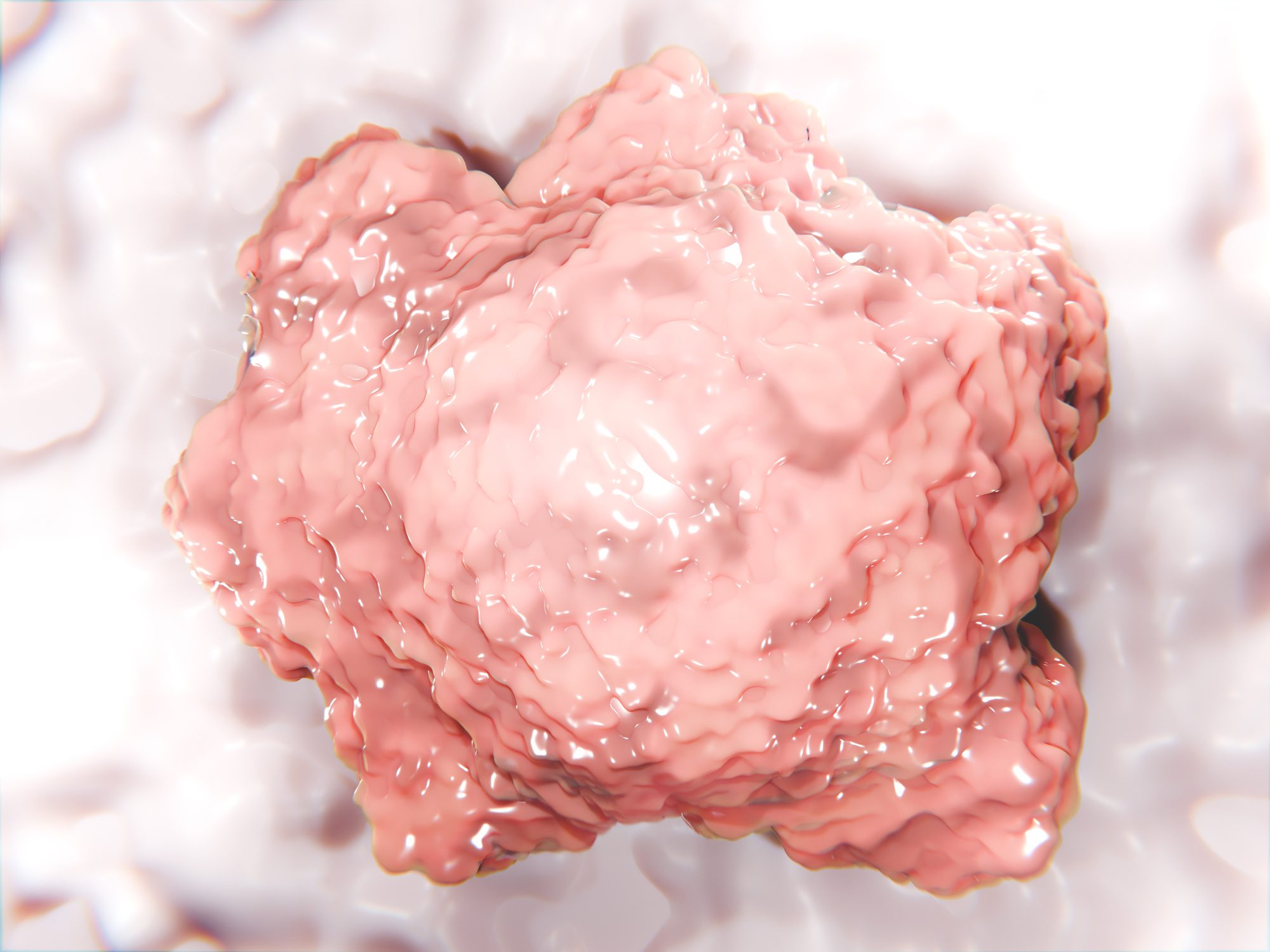
To date, this type of organization has been difficult to reproduce in lab-grown models of the human brain. But now, scientists at the University of California (UC), Irvine, have developed a new approach that lets them engineer lab-grown human brain tissue with a defined regional identity. The result is brain organoids with characteristics of either the front or back of the developing cerebral cortex that could be used in studies of how neurodevelopmental disorders develop. Full details are provided in a Cell Stem Cell paper titled “Morphogen-guided neocortical organoids with anteroposterior areal identity.”
According to the paper, the UC Irvine team used the approach to generate neocortical organoids from human stem cells that copy important features of the developing cerebral cortex. Each organoid was steered to take on the identity of either a front or back region using carefully selected chemical signals. It is an important step, one that ordinary organoids lack. Without this step, organoids end up with a patchwork of random regions rather than a clear front or back.
In this study, after exposing the organoids to the chemical signals, the scientists examined the individual cells to determine whether those differences resembled actual human development. Their analysis of more than 200,000 cells showed that the organoids reproduced molecular characteristics that were associated with different regions of the prenatal human context.
As an example of how these organoids can be used, the scientists used their new model to investigate fragile X syndrome. They wanted to know whether this genetic condition might affect both individual brain cells and broader developmental patterns that help organize those cells across the cortex.
Specifically, they looked at two proteins important to brain development, SOX4 and SOX11, that normally appear at different levels in front and back tissue. That difference showed up reliably in organoids grown from donors without the condition. In organoids modeling fragile X syndrome, it largely disappeared. The broad front-to-back patterning was still there, but this particular difference had flattened out.
This finding is supported by other research in donated tissue from people with autism. Importantly, the findings do not show that disrupted brain patterning causes autism. Instead, they highlight a potential developmental process that researchers can now investigate in a human tissue model with greater spatial detail.
These more fine-grained models could also be used in other types of studies, according to the scientists. Neurological and neurodevelopmental disorders do not necessarily affect every part of the brain in the same way. So by giving organoids defined regional characteristics, researchers can begin studying not only what changes in a disorder but also where those changes emerge during development.
Furthermore, the platform contributes to growing efforts to develop human tissue-based research models that can complement animal studies. The scientists believe that the approach could be used to examine how genetic and environmental factors affect different regions of the developing cortex and, over time.
The post Lab-Grown Neocortex Models Mimic Early Brain Organization appeared first on GEN - Genetic Engineering and Biotechnology News.
Apa Reaksi Anda?
 Suka
0
Suka
0
 Kurang Suka
0
Kurang Suka
0
 Setuju
0
Setuju
0
 Tidak Setuju
0
Tidak Setuju
0
 Bagus
0
Bagus
0
 Berguna
0
Berguna
0
 Hebat
0
Hebat
0