











































%20and%20Batch%20Production%20Records%20(BPR).png)
















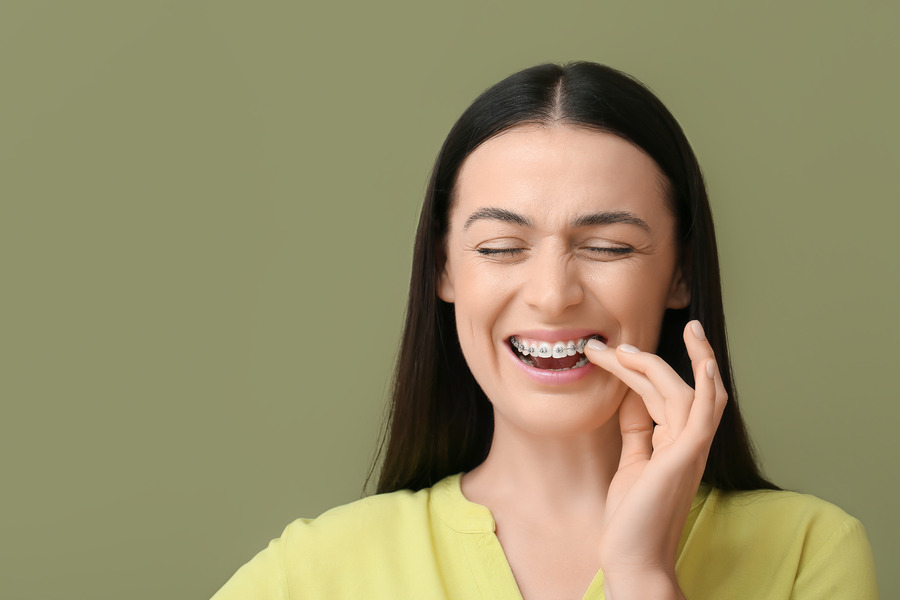
Could a silicone toothbrush help patients who struggle with brushing?
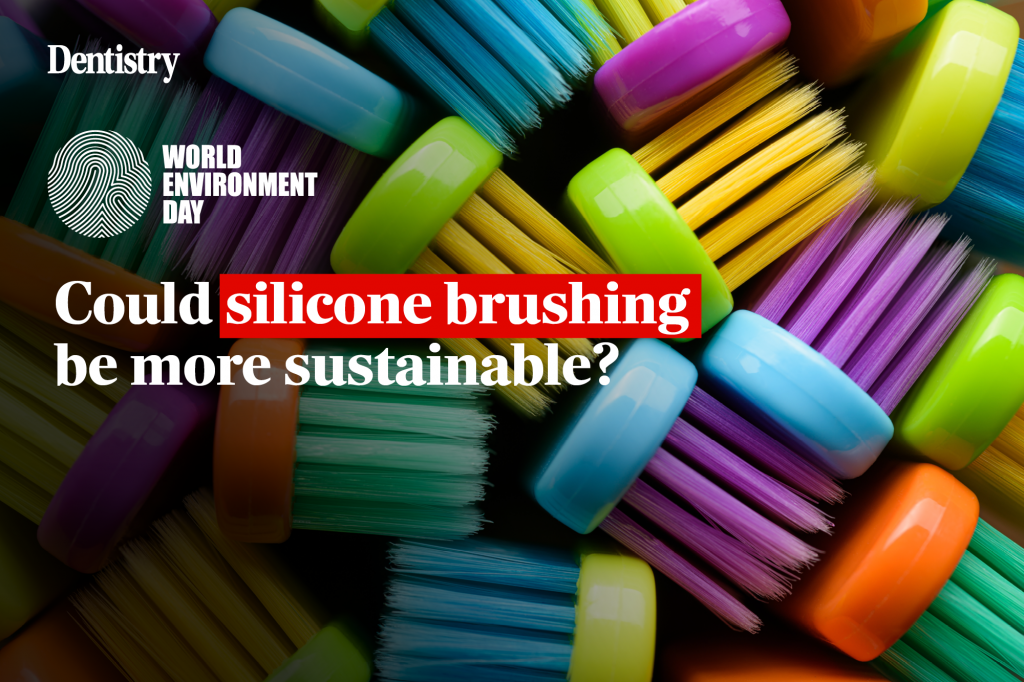
On World Environment Day (5 June), a new review suggests a silicone toothbrush may offer more than environmental benefits – potentially helping patients who struggle with conventional brushing.
The scoping review indicates silicone toothbrushes could be worth considering for children, older adults and patients with reduced dexterity, although the evidence base remains limited.
Published in PLOS Global Public Health, the review analysed 10 English-language studies examining the role of a silicone toothbrush in preventive oral care.
With growing attention on sustainability in oral health products, the findings also contribute to wider discussion about environmental impact. The Oral Health Foundation has previously estimated that around 256 million toothbrushes are bought and discarded in the UK each year.
Several studies suggested silicone toothbrushes can remove plaque effectively, in some cases performing comparably to conventional plastic toothbrushes with nylon bristles. Softer silicone bristles were also associated with a lower risk of gingival trauma and tooth abrasion.
Who could benefit?
The review highlights potential benefits for children, older adults and patients with reduced dexterity – groups who may struggle with conventional brushing techniques. The authors also note that silicone designs may have applications in low-resource settings, including where access to clean water is limited, although this area remains under-researched.
On sustainability, one life cycle assessment included in the review found that toothbrushes with silicone bristles and a polypropylene handle performed better across 18 environmental impact categories than those with nylon bristles and a polypropylene handle. The analysis classified brushes by material rather than naming specific products or manufacturers.
However, the authors emphasised that the overall evidence base is small and heterogeneous. The review included a mix of clinical studies, in vitro research, one animal study and one life cycle assessment, and did not incorporate a formal risk-of-bias assessment.
Further high-quality research is needed to assess effectiveness, safety, patient acceptance and the feasibility of wider implementation.
For dental professionals, the findings do not support a blanket switch from conventional toothbrushes. However, they may prompt chair-side discussions with patients who experience difficulties with brushing due to dexterity, discomfort or sensitivity, while also raising broader questions about how preventive oral care can become more sustainable.
Follow Dentistry.co.uk on Instagram to keep up with the latest news and trends.
Apa Reaksi Anda?
 Suka
0
Suka
0
 Kurang Suka
0
Kurang Suka
0
 Setuju
0
Setuju
0
 Tidak Setuju
0
Tidak Setuju
0
 Bagus
0
Bagus
0
 Berguna
0
Berguna
0
 Hebat
0
Hebat
0