








































%20and%20Batch%20Production%20Records%20(BPR).png)













Cultural Exchange: How Anna L. Gloyn, DPhil, FMedSci, managed research in both Europe and the U.S.
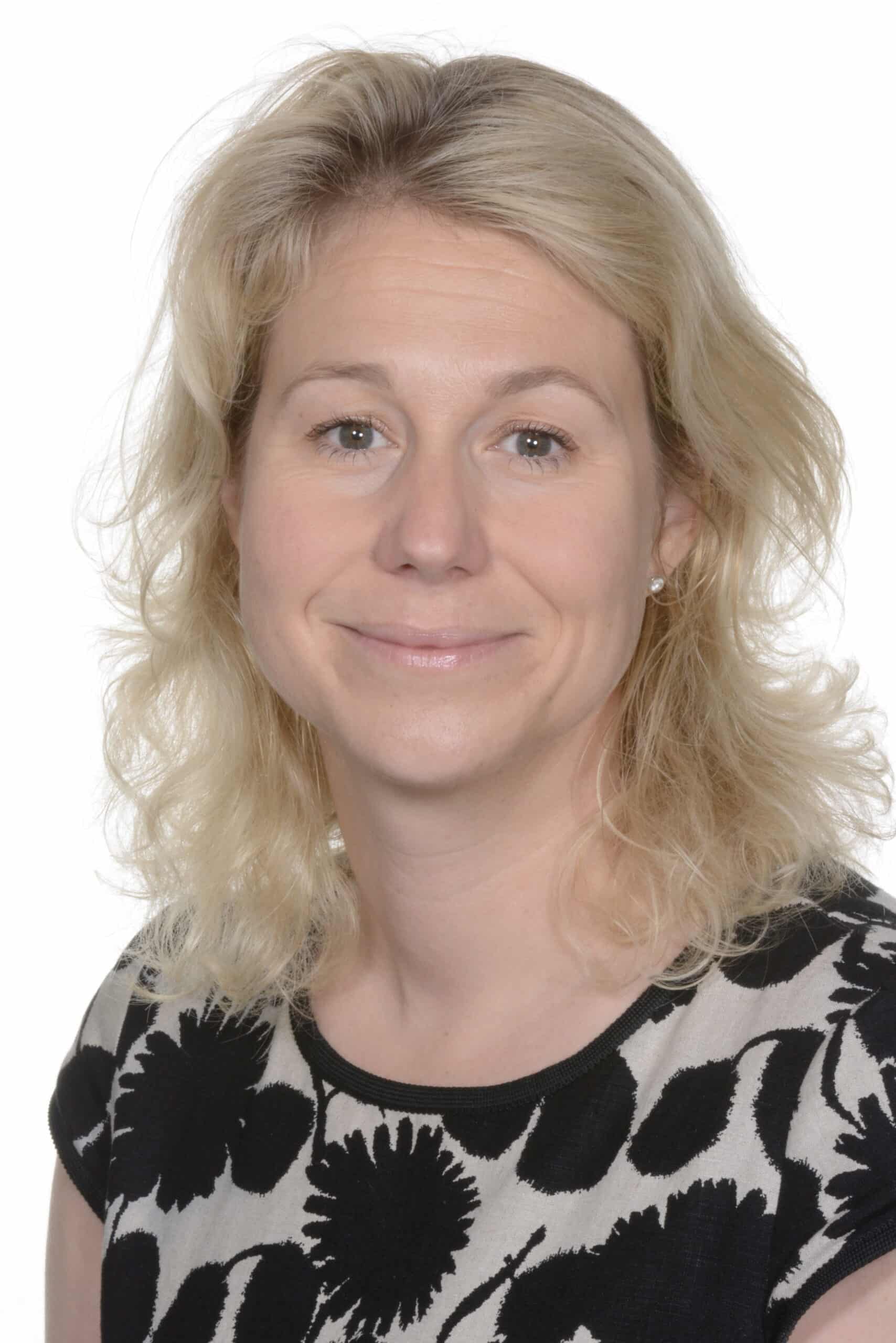
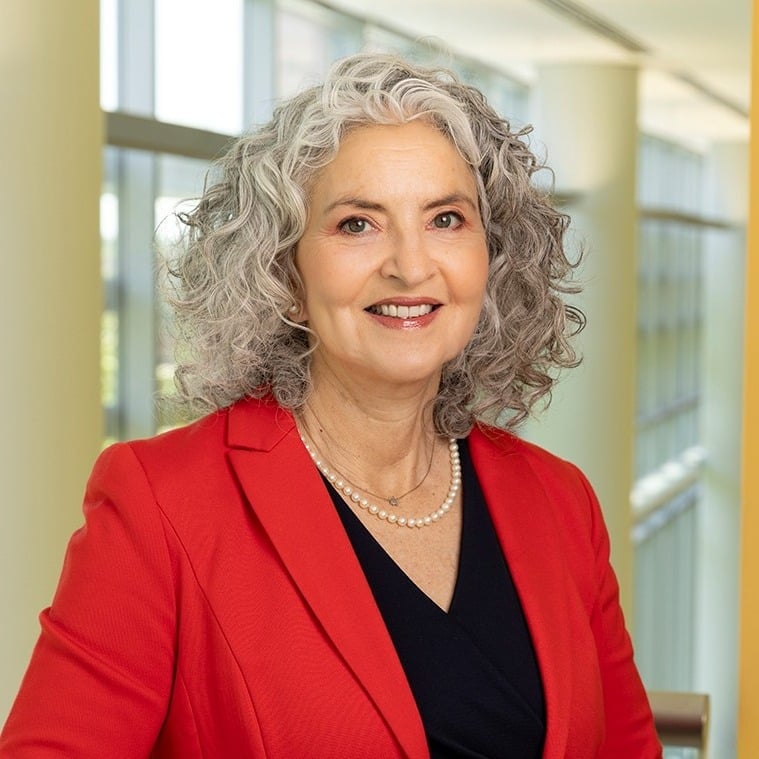
Honored by both the Endocrine Society and the European Society of Endocrinology with the 2026 Transatlantic Alliance Award, Anna L. Gloyn, DPhil, FMedSci, has made significant contributions to endocrine research on both sides of the Atlantic. Endocrine News speaks with Gloyn about what this award means to her, how a friend in college helped determine the future of her research, and the profound impact of doing research in both European and American labs.
Watching a fellow undergraduate navigate the daily realities of type 1 diabetes sparked a question that would shape Anna L. Gloyn’s career: Why do some people develop diabetes while others do not? That early curiosity grew into a globally recognized research program focused on uncovering the genetic roots of diabetes and advancing precision medicine — work that has now earned her the fifth annual Transatlantic Alliance Award from the Endocrine Society and the European Society of Endocrinology.
The Transatlantic Alliance Award, launched in 2022, recognizes an international leader who has made significant advancements in endocrine research on both sides of the Atlantic, in Europe and the United States.
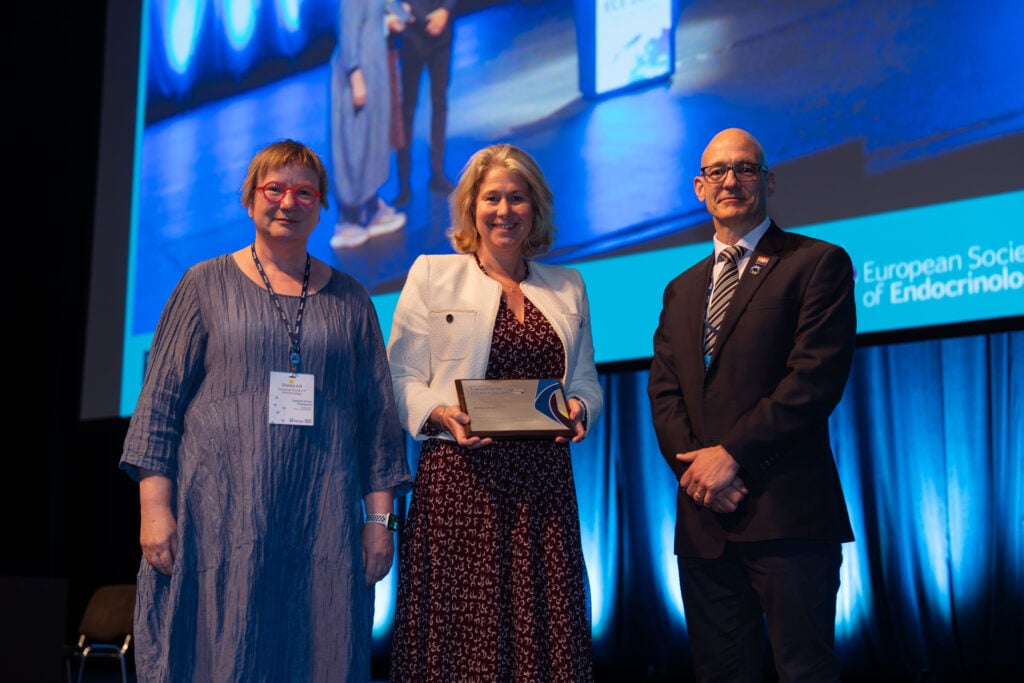
When the award was first revealed last year, Endocrine Society President Carol Lange, PhD, said, “Dr. Gloyn is an internationally recognized leader in endocrinology who has made extraordinary contributions to our understanding of the genetic basis of diabetes and has collaborated with colleagues on both sides of the Atlantic on landmark studies. Her ground-breaking contributions to endocrine research across the globe and her outstanding work ethic make her an exceptional candidate for this award.”
“I am excited that we are on the precipice of something transformative resulting from collision of artificial intelligence with the integration of multi-modal data. My hope is that we will find new ways of predicting, diagnosing, and treating diabetes, which will fulfil the promise of precision medicine.” — Anna L. Gloyn, DPhil, FMedSci, professor of pediatrics, Stanford University, Stanford, Calif.
Gloyn is a professor of Pediatrics at Stanford University in Stanford, Calif. She earned her DPhil at the University of Oxford in Oxford, England, followed by post-doctoral training at the University of Exeter in Exeter, England, and the University of Pennsylvania in Philadelphia. For the past 15 years, her major focus has been on translating discoveries from genome-wide association studies into biological and clinical insights. She plays roles in multiple international consortia, including the Accelerated Medicines Partnership for Common Metabolic Disease and the Human Islet Research Network.
Gloyn spoke with Endocrine News about the partnerships that shaped her journey and where her diabetes research is headed next.
Endocrine News: What did the news of your recognition for the Endocrine Society’s 2026 Transatlantic Alliance Award mean to you?
Gloyn: I was thrilled to be nominated for this award and blown-away to be this year’s recipient. I have had the privilege of working with colleagues across Europe and North American for the past 30 years and have benefited enormously from being part of the international scientific community. Being recognized for something that brings me so much joy is wonderful.
EN: One of your award nominators wrote, “Her career embodies true transatlantic scientific exchange, reflected in her contributions to major international research alliances, editorial boards and her receipt of multiple accolades.” Why do you believe international collaborations are important for scientists?
Gloyn: Diabetes is a global health pandemic and finding solutions for all people living with diabetes requires seeing the challenge from many different viewpoints. As someone who uses human genetics to unlock clues into cellular and molecular mechanisms for diabetes, some of my greatest insights have come from working with genetic variants that are unique to a particular population, or through studying very rare changes in genes that we only find by working with clinicians all over the world. As a post-doc, the opportunity to spend time working in a lab in a different country was foundational in my personal and professional growth.
EN: At what point in your studies or career did you decide researching the genetic mechanisms underlying diabetes would become your life’s work? Was there a particular question or hypothesis that piqued your interest?
Gloyn: As an undergraduate in the U.K., I studied biochemistry and was introduced to the wonders of insulin through my lectures on metabolism and through a fellow biochemistry student, Helen, who had been diagnosed with type 1 diabetes when she was two years old. I had no idea what it meant to be someone living with diabetes. I couldn’t get over how much of Helen’s day was taken up with just managing her blood sugar levels and what the consequences were for her if she didn’t get it right. I was curious because both her mum and older brother also had type 1 diabetes so there had to be something in their genes. I couldn’t believe it when I spotted an advert in Nature for a PhD project at Oxford University on the genetics of diabetes with Robert Turner. This really was the fork in the road for me, where I committed to a research journey in understanding the molecular genetics of diabetes. After my PhD, or as Oxford calls them “DPhil,” I was so lucky that Andrew Hattersley offered me a post-doc and I spent four wonderful years at the University of Exeter before returning to Oxford on a Diabetes UK RD Lawrence Career Development Fellowship to set up my own lab.
EN: What would say are the biggest similarities and differences in laboratory research work in the United States versus Europe? Do any major challenges occur when you collaborate with peers across the Atlantic?
Gloyn: In my experience the differences between labs in the U.K. and U.S. are not to do with the country you are in, they are to do with the lab culture which is set by the lab PI. That said, there are some obvious cultural differences. I remember arriving as a post-doc fellow in Dr. Franz Matchinksy’s lab at the University of Pennsylvania and realizing that going to the pub for a beer after work on a Friday was a very British behavior! I am often reminded how incredibly talented my European colleagues are when I hear them effortless move from their native tongue to English for science. Hearing a trainee deliver a presentation in a second, sometimes third, language is humbling.
Also, living on the West Coast can make the eight hours plus time difference challenging when catching up with my European colleagues. I am a huge fan of the Zoom filter and a tactical scarf to mask my pajamas during those very early calls!
EN: Looking ahead for the next 5-10 years, what research goals do you hope will make an impact on diabetes care?
Gloyn: I am excited that we are on the precipice of something transformative resulting from collision of artificial intelligence with the integration of multi-modal data. My hope is that we will find new ways of predicting, diagnosing, and treating diabetes, which will fulfil the promise of precision medicine.
Gloyn has received multiple national and international awards for her research, including the European Association for the Study of Diabetes (EASD) Rising Star (2005) and Minkowski (2014) awards and the American Diabetes Association Outstanding Scientific Achievement Award (2022). In 2025, she was elected to the Academy of Medical Sciences in the United Kingdom.
“As someone who uses human genetics to unlock clues into cellular and molecular mechanisms for diabetes, some of my greatest insights have come from working with genetic variants that are unique to a particular population, or through studying very rare changes in genes that we only find by working with clinicians all over the world. As a post-doc, the opportunity to spend time working in a lab in a different country was foundational in my personal and professional growth.” — Anna L. Gloyn, DPhil, FMedSci, professor of pediatrics, Stanford University, Stanford, Calif.
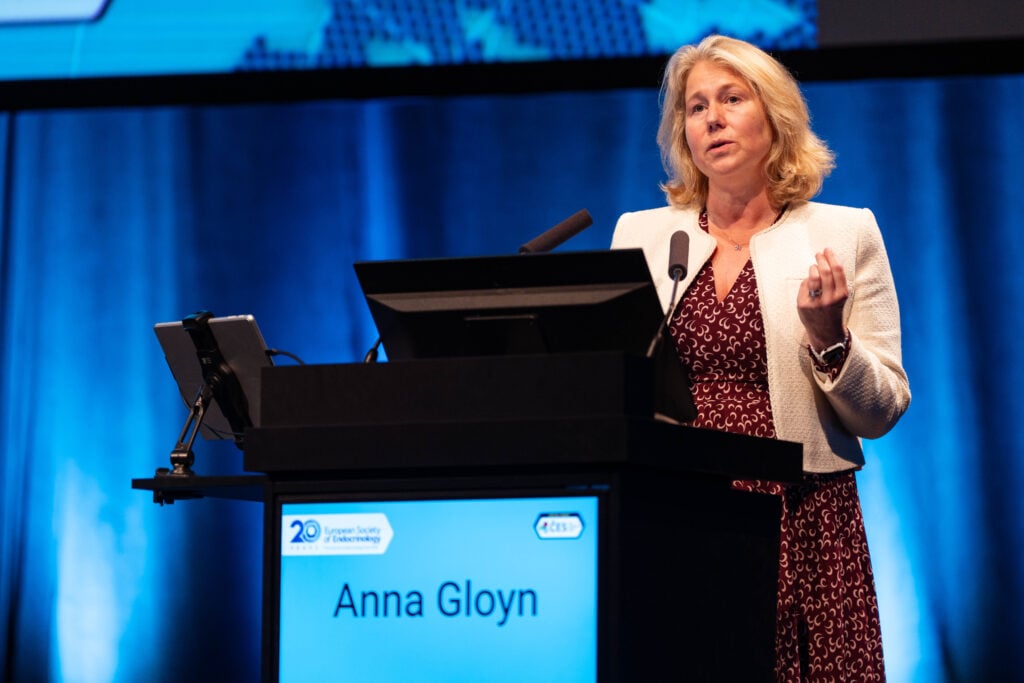
Gloyn presented her award lecture at the European Society of Endocrinology’s Annual Congress, the European Congress of Endocrinology (ECE) 2026, that took place last month in Prague, Czech Republic.
—Shaw is freelance writer based in Carmel, Ind. She is a regular contributor to Endocrine News and writes the monthly Laboratory Notes column.
The post Cultural Exchange: How Anna L. Gloyn, DPhil, FMedSci, managed research in both Europe and the U.S. appeared first on Endocrine News.
Apa Reaksi Anda?
 Suka
0
Suka
0
 Kurang Suka
0
Kurang Suka
0
 Setuju
0
Setuju
0
 Tidak Setuju
0
Tidak Setuju
0
 Bagus
0
Bagus
0
 Berguna
0
Berguna
0
 Hebat
0
Hebat
0