








































%20and%20Batch%20Production%20Records%20(BPR).png)













Designing Facilities That Support the Caregivers Behind Specialty Care
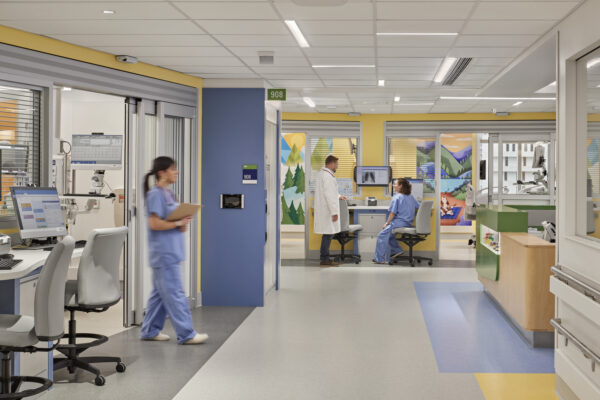
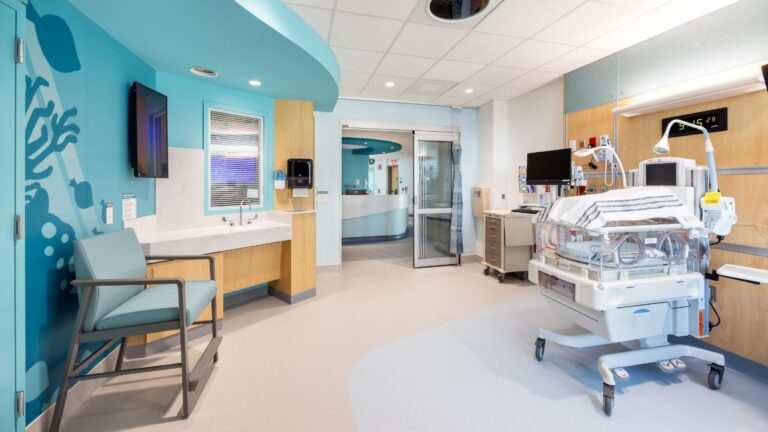
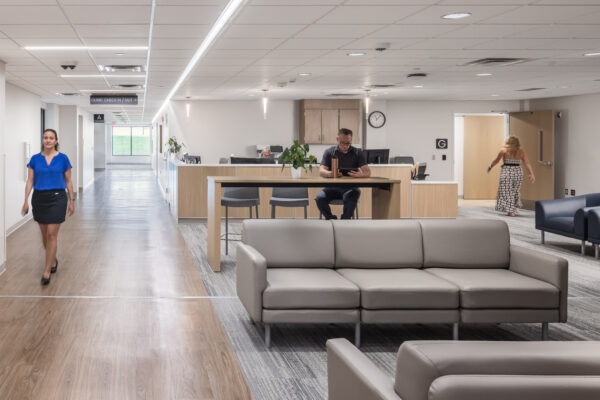
Decentralized workstations and direct patient room access support staff visibility and ease of movement along a nursing unit. | Photo Credit (all): Courtesy of Shepley Bulfinch
By David Meek AIA, LEEP AP
Conversations about the healthcare workforce crisis tend to focus on numbers. There are too many patients and not enough clinicians — and the gap just keeps widening. Less examined is what the daily work actually feels like for the people inside that gap and how much of that experience is shaped by the physical spaces where care is delivered.
In specialty care settings, from cancer centers to neurological hospitals and pediatric facilities, the relationship between design and workforce sustainability is especially pronounced. These environments serve patients with complex, high-acuity needs, and the operational demands on staff reflect this level of care. With the global healthcare workforce shortage projected to widen over the next decade, health systems and healthcare design professionals are rethinking how design can improve staff experience, efficiency, and retention and recruitment in specialty care spaces.
Staff Wellbeing as a Design Priority
Across the industry, health systems investing in new specialty facilities are approaching the design process with a more holistic set of goals. While clinical performance remains the baseline for facility design, there is a growing focus on the lived experience of the people who will spend their careers in these buildings. Now, that intention materializes in how support spaces are planned. For instance, pharmacies and clinical laboratories have long been assigned to basements and interior corridors, but newer specialty facilities are exploring placement around the building’s perimeter, where daylight and openness are introduced to staff who might otherwise spend entire shifts without either. What may appear to be a simple planning decision is supported by evidence that demonstrates how natural light affects mood, alertness and the sustained focus that specialty care demands.
Overall design response is also incorporated at a variety of scales. At the building level, this can be seen where staff entrances are located, how break areas are positioned relative to clinical zones and whether the building provides meaningful access to the outdoors. In terms of individual rooms and work areas, it appears in acoustic decisions, lighting controls, and the degree to which staff workstations account for the physical demands of long shifts. Furniture and casework decisions matter here as well, with movable, adaptable furnishings often better serving staff over time than fixed configurations, particularly as workflow shifts and new equipment is introduced without requiring costly renovation.
Individually, each of these design decisions may seem modest. Collectively, however, they shape whether a building feels like it is working with its staff or quietly adding to their burden. In specialty care, where staff are routinely navigating some of the most demanding work in the health system, decisions around recovery spaces, acoustic control and spatial clarity have an outsized impact on overall well-being.
Designing for the Emotional Weight of Specialty Care
In specialty care, staff wellbeing is also shaped directly by the emotional intensity of the work. Clinicians in these environments often form relationships with patients managing chronic or terminal conditions, and the accumulation of that emotional weight over time is a meaningful driver of burnout and turnover. Designing for that reality requires ergonomic and wayfinding considerations, as well as attention to where staff go between difficult cases to meaningfully decompress and how the building allows them to step away from the demands of the floor. These spaces are no longer afterthoughts placed into leftover square footage but are instead programmed with the same rigor applied to clinical spaces.
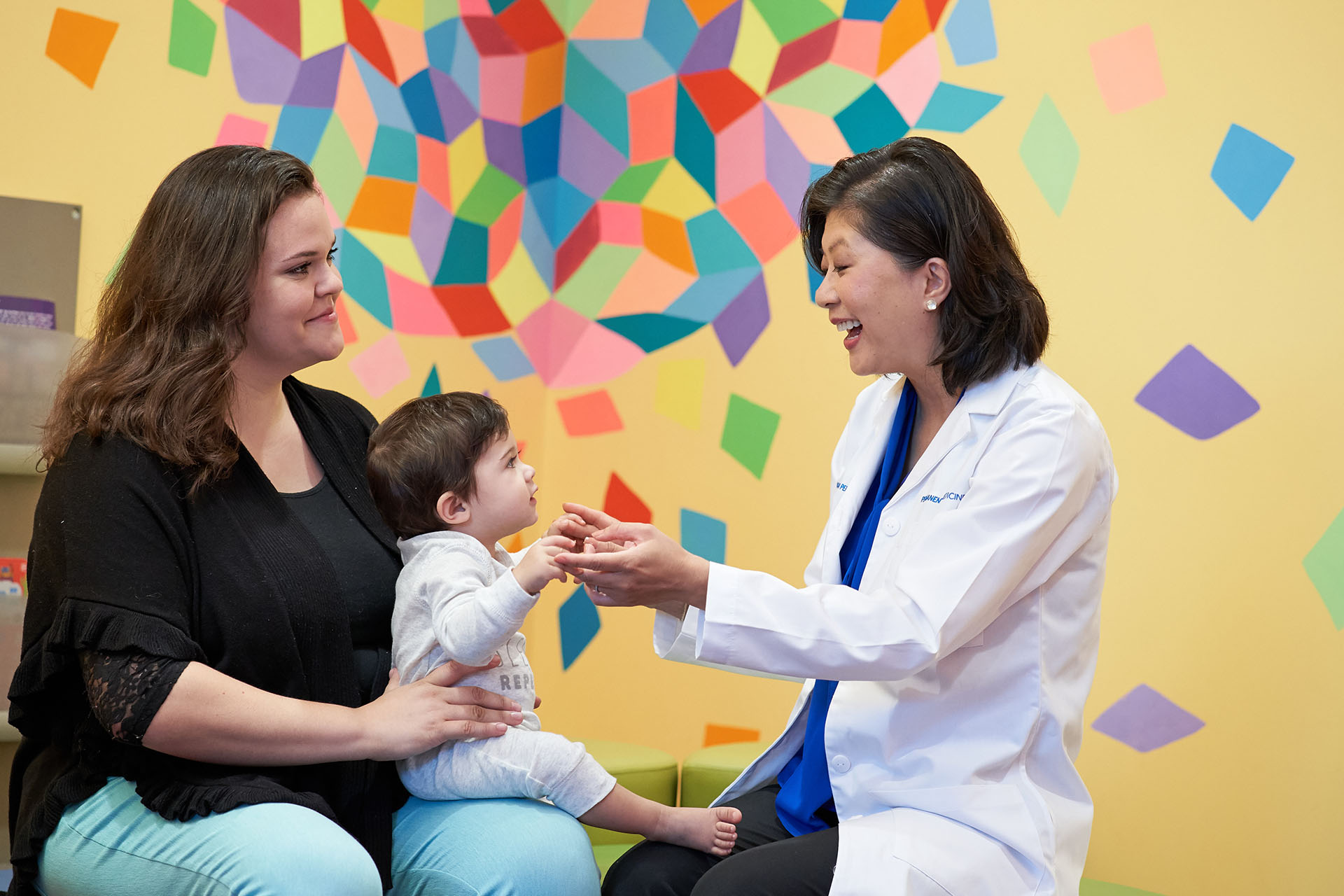
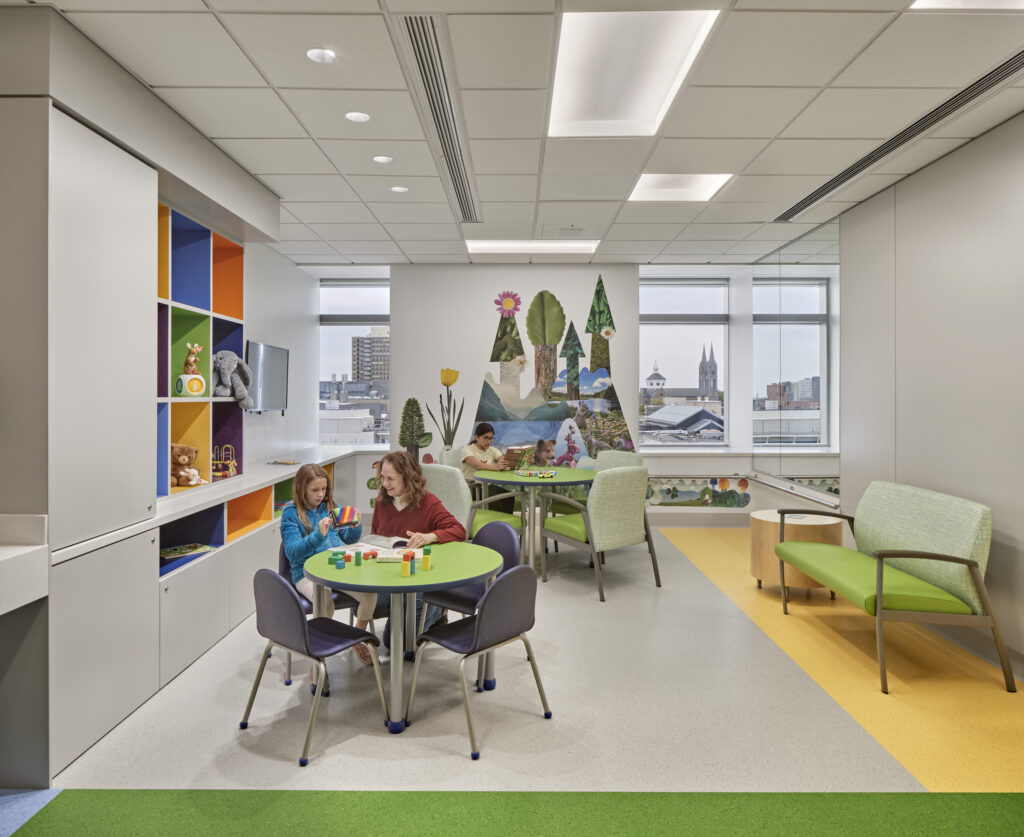
In pediatric-care environments, these dynamics become even more visible. Because children are typically accompanied by parents or caregivers throughout treatment, staff are operating alongside a consistent family presence that adds complexity to care delivery and communication, uncommon in traditional acute care settings. Longer treatment periods extend these interactions, and they require teams to regularly navigate care management and interpersonal engagement for staff. Both operational planning and spatial design play a critical role in reducing friction in daily workflows by supporting clearer interaction and accommodating families through enlarged patient rooms, family lounges and shared amenities. For staff, this creates an environment where emotional and operational demands are constantly correlated, ultimately reinforcing the importance of designing spaces that actively support recovery, focus and ease of movement throughout the day.
The System Behind the Space
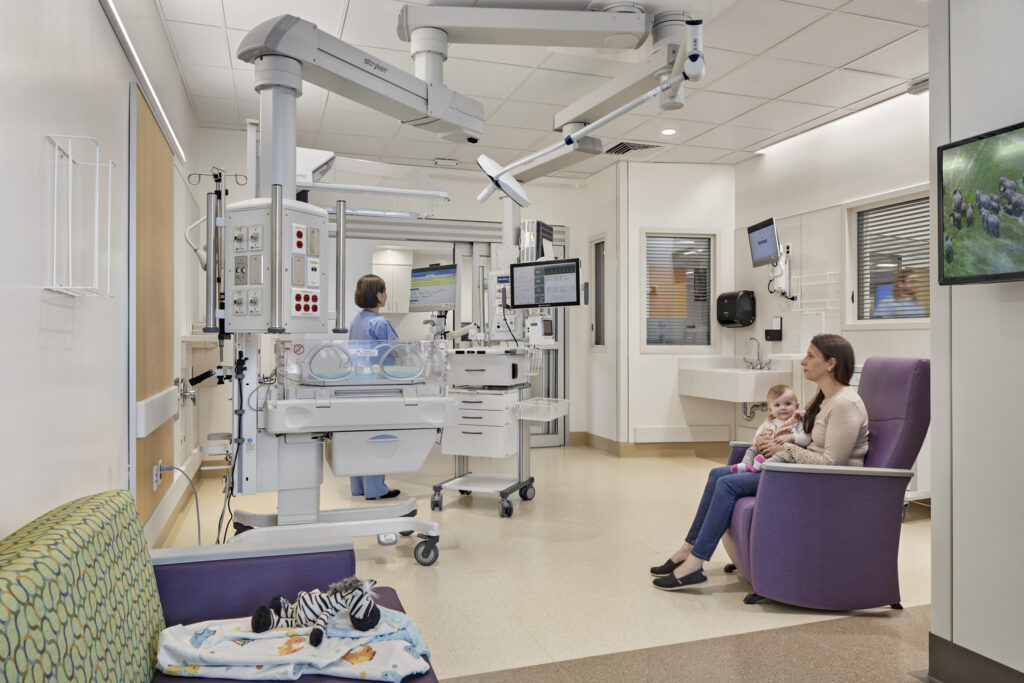
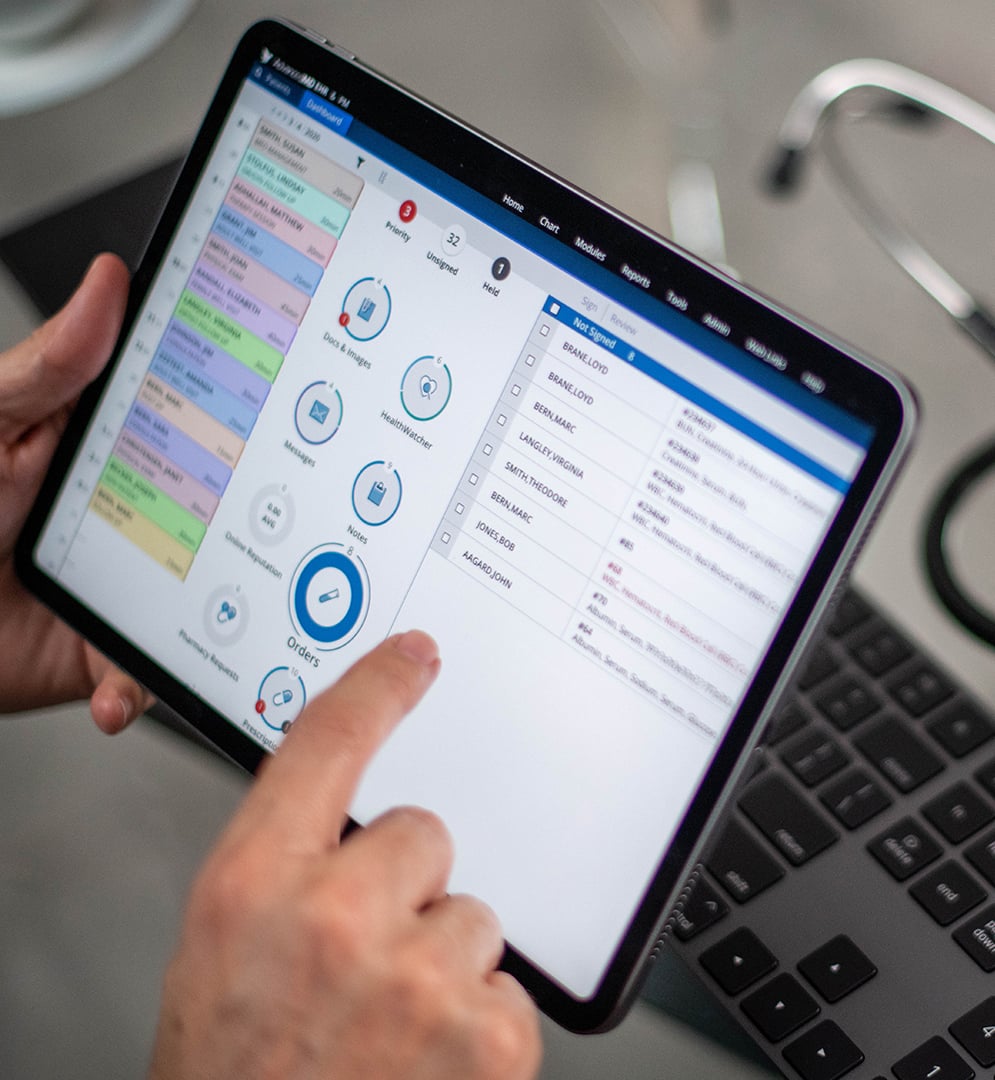
Specialty care environments demonstrate how closely the success of healthcare delivery is tied to the relationship between the workforce and the built environment. As care becomes more complex and staffing conditions remain strained, outcomes increasingly depend on how effectively buildings support the realities of day-to-day clinical work. That now includes keeping pace with how the practice of medicine itself is changing. New technologies, including robotic systems and AI-assisted documentation, are shifting workflows and carrying spatial implications as much as clinical ones. Buildings change more slowly than medicine, and the gap between how care is practiced and how spaces are configured often shows up first in staff inefficiency. What ultimately defines performance is the alignment between operational demands and physical conditions over time.
This connection influences how projects are framed from their earliest stages. Clinical requirements, staffing realities and spatial organization are developed as interdependent considerations rather than separate tracks. Within that framework, design structures the conditions of work itself through shaping how tasks are sequenced, how movement flows through the facilit, and how teams maintain focus across periods of care.
The real measure of this approach is how these environments perform over time, and they’re defined by how reliably the system holds together under pressure: from the consistency of operations to the clarity of workflows and the endurance of the staff within them. Rather than functioning as finished products, specialty care facilities continue to evolve and adapt in real time to the needs of the teams who operate within them. The most effective specialty care environments will be those that quietly absorb and redirect pressure away from staff by allowing care to continue without exhausting the system behind it. The distinction lies in whether a facility ages well or begins catching up to itself the moment it opens.
David Meek AIA, LEEP AP, is Principal at Shepley Bullfinch.
The post Designing Facilities That Support the Caregivers Behind Specialty Care appeared first on HCO News.
The post Designing Facilities That Support the Caregivers Behind Specialty Care appeared first on HCO News.
Apa Reaksi Anda?
 Suka
0
Suka
0
 Kurang Suka
0
Kurang Suka
0
 Setuju
0
Setuju
0
 Tidak Setuju
0
Tidak Setuju
0
 Bagus
0
Bagus
0
 Berguna
0
Berguna
0
 Hebat
0
Hebat
0