


















































%20and%20Batch%20Production%20Records%20(BPR).png)















Healthcare Construction Growth: Managing Costs Amid Uncertainty
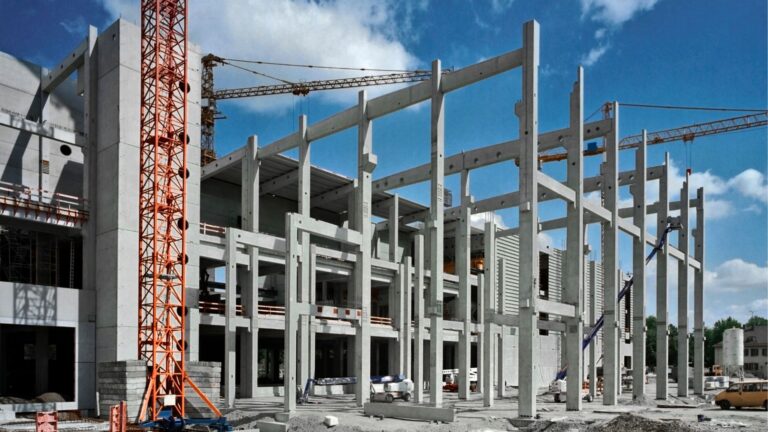
In ever-changing economic conditions, gaining control over construction costs starts with understanding how financing decisions affect cash flow, especially when acquiring construction equipment for healthcare building projects. | Photo Credit (all): Courtesy of Summit Funding Group
By Mike Fitzsimmons
Healthcare construction is expected to continue to grow in 2026 with some of the same industry factors experienced last year impacting projects, including shifts in care delivery, rising demand for outpatient facilities and the need for more flexible, efficient buildings. Projects continue to become more complex with an increase in specialized clinics and large-scale hospital expansions, leading to owners and contractors having increased pressure to deliver faster while managing tighter budgets and evolving requirements.
The result is trends such as prefabrication, distributed care models, and sustainability goals that are reshaping how facilities are designed and built. At the same time, healthcare environments must meet strict standards for infection control, resilience, and future adaptability, adding layers of cost and coordination. This requires more strategic planning from the outset.
Amid these complexities, maintaining diligent control over capital outlays, especially for construction equipment, has become increasingly critical. It’s why financing decisions play a central role in determining not just project feasibility, but overall financial stability. Whether through traditional lending or alternative models like leasing, organizations that take a proactive, informed approach to equipment acquisition are better positioned to manage cash flow, reduce risk and keep projects on track from groundbreaking through completion.
Regardless of all of the external factors, businesses have to move forward. How can construction firms gain control over them for their healthcare facility projects?
Advanced Planning Pays Off
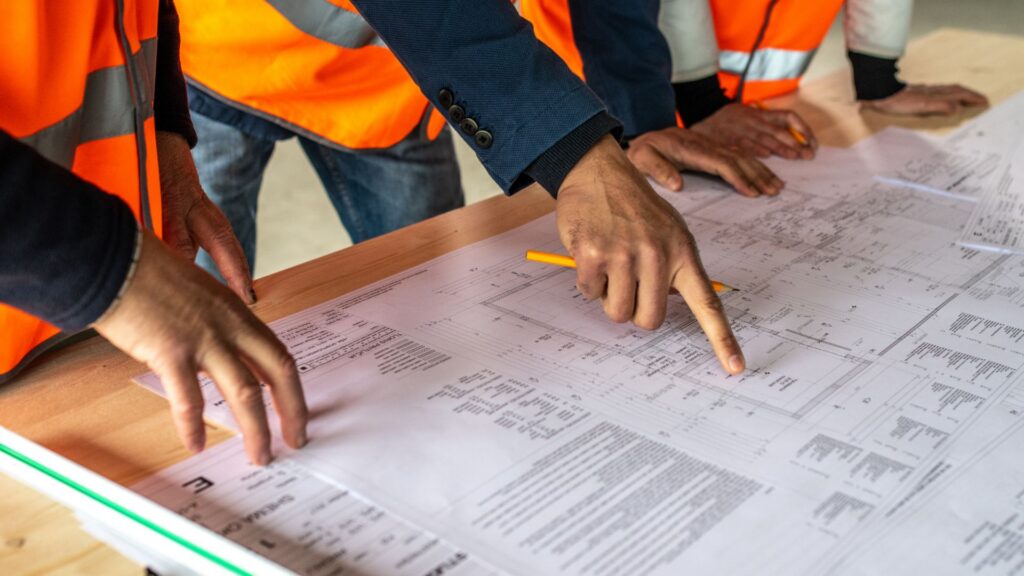
In ever-changing economic conditions, gaining control over construction costs starts with understanding how financing decisions affect cash flow, especially when acquiring construction equipment for healthcare building projects. Securing funding is not instantaneous; it’s a structured, multi-step process that requires preparation, documentation and the right lending partner. At the center of every decision is a simple question: can the borrower repay the debt? For healthcare construction projects, where timelines are tight and capital needs are high, that scrutiny can directly impact project momentum.
To answer that question, lenders require a clear and comprehensive financial picture. Being prepared with the right documentation can significantly accelerate the process. Typically, lenders will request:
- Balance sheets
- Profit and loss statements, cash flow analysis
- Tax returns (2–3 years)
- Additional agreements, such as leases or contracts tied to the project
From there, underwriting goes deeper into both financial strength and operational credibility. For equipment leasing, many lenders can finance up to 100% of the equipment cost, including associated soft costs like delivery, installation and training. This means a substantial upfront contribution by the borrower is usually not required. Instead, lenders may request initial payments, such as the first and last month’s lease payment or nominal documentation fees.
While the leased equipment itself often serves as collateral, numbers alone don’t tell the full story. Lenders also evaluate qualitative factors that influence repayment, including:
- Creditworthiness of ownership and leadership
- Experience managing similar construction or healthcare projects
- Level of day-to-day involvement from principals
- Strength and clarity of the business plan, including project timelines and financial projections
For healthcare construction, where complexity and compliance are high, gaps in any of these areas can slow approvals or limit financing options.
How Leasing Can Provide Clarity
Understandably, companies may be hesitant to tie up significant amounts of capital with the purchase of construction or medical equipment for healthcare building projects. As a result, many are turning to leasing rather than buying. Leasing provides a predictable impact on cash flow, without the need for a large, up-front outlay of cash.
With leasing, companies pay only for the equipment they need, when they need it. Payments typically do not begin while the equipment is still in transit; they start upon delivery and installation, when the equipment can be put to productive use. Leasing allows a company to safeguard its capital while increasing the predictability of its cash flow.
Looking Ahead
Even with a crystal ball, it would be hard to accurately predict the full impact of shifting economic conditions on prices, labor, and borrowing costs, especially as healthcare construction continues to grow. With demand rising for outpatient facilities, faster build timelines driven by prefabrication, and increased investment in resilient, future-ready infrastructure, projects are becoming more complex and capital-intensive. In this environment, healthcare companies and construction firms can take greater control of their capital and cash flow by making strategic decisions about how they acquire equipment. Aligning financing with project timelines and operational needs can help reduce risk, preserve liquidity, and keep projects moving forward.
Mike Fitzsimmons serves as Vice President of Sales – Construction and Material Handling at Summit Funding Group. With over 30 years of experience in the equipment finance industry, Mike has held leadership roles across sales, marketing, and operations.
The post Healthcare Construction Growth: Managing Costs Amid Uncertainty appeared first on HCO News.
The post Healthcare Construction Growth: Managing Costs Amid Uncertainty appeared first on HCO News.
Apa Reaksi Anda?
 Suka
0
Suka
0
 Kurang Suka
0
Kurang Suka
0
 Setuju
0
Setuju
0
 Tidak Setuju
0
Tidak Setuju
0
 Bagus
0
Bagus
0
 Berguna
0
Berguna
0
 Hebat
0
Hebat
0