










































%20and%20Batch%20Production%20Records%20(BPR).png)













From celebration to change: Vaisakhi in Parliament
Simran Bains reflects on the 19th annual Vaisakhi celebrations in Parliament and explains why faith leaders and healthcare professionals must unite to tackle oral health injustice.
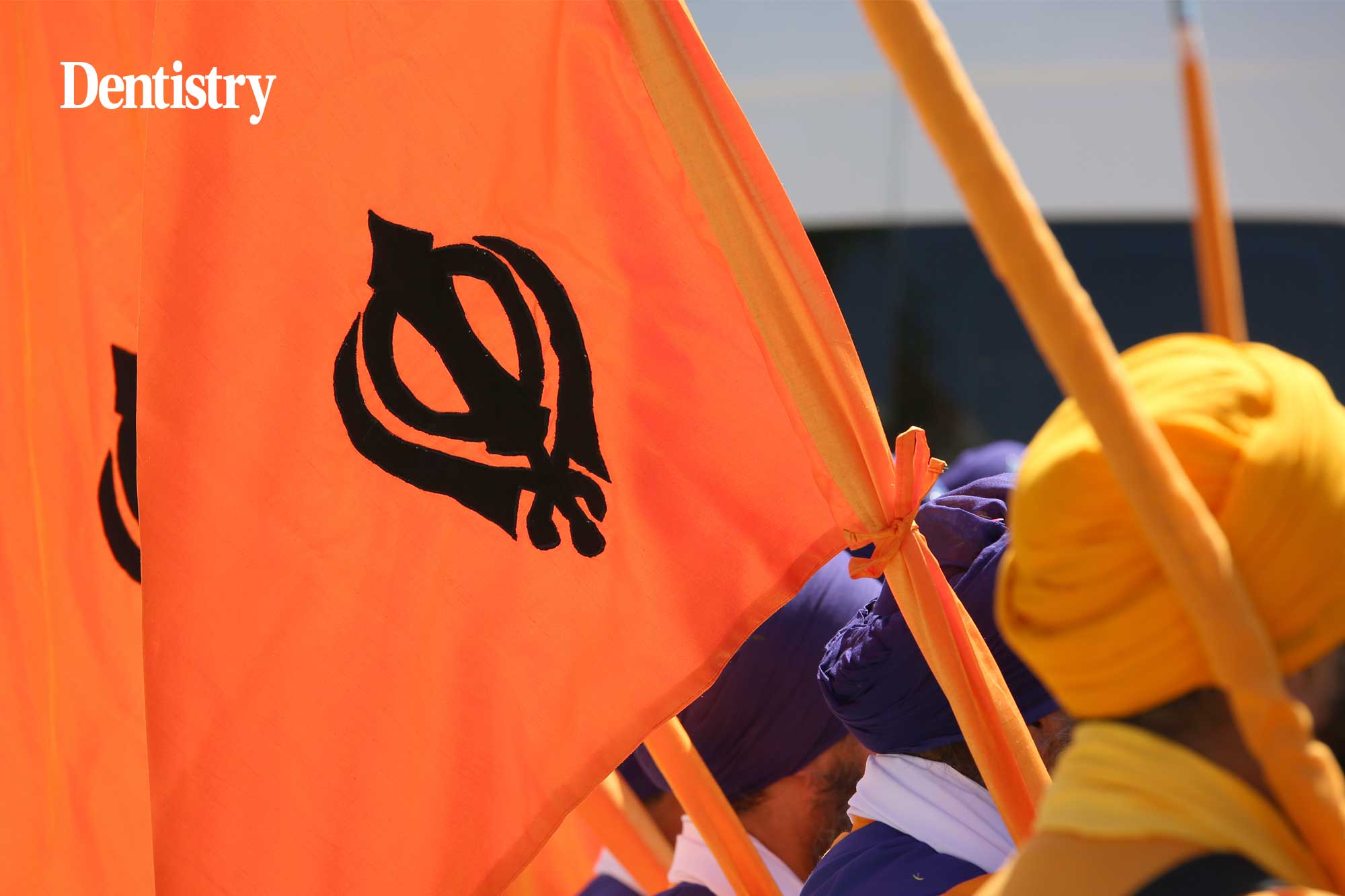
I was honoured to be invited to mark Vaisakhi 2026 through my work with the British Academy of Cosmetic Dentistry (BACD) and the College of Dentistry, as the British Sikh Consultative Forum convened parliamentarians, faith leaders, health professionals and community organisations at the Speaker’s State Rooms, House of Commons.
The 19th Annual Vaisakhi at Westminster united celebration with civic purpose, bringing together voices from across the UK to address one of the most pressing issues facing communities today – health inequalities.
Vaisakhi is one of the most significant dates in the Sikh calendar, marking renewal, gratitude, equality and the creation of the Khalsa in 1699.
It is a celebration of faith, service and community, values that continue to resonate far beyond religious observance.
Central to Sikh teaching is seva; selfless service for the benefit of others.
For those working in dentistry, the theme should resonate strongly. Oral health inequalities remain among the clearest and most preventable examples of wider health injustice.
Dentists see every day how deprivation and delayed access translate into pain, untreated disease and avoidable extractions.
The social gradient of oral disease
Too often, dentistry is discussed separately from mainstream healthcare policy.
Yet oral disease follows the same social gradient as many chronic conditions, with those who have the greatest need often facing the greatest barriers to care.
Children in deprived communities continue to experience higher rates of decay, adults under financial pressure frequently delay treatment until symptoms become acute, and older patients can struggle with access, transport and affordability.
These inequalities affect communities across the UK and are closely linked to wider health outcomes.
Oral health does not exist in isolation; it is strongly connected to conditions such as type 2 diabetes, cardiovascular disease and respiratory illness.
When prevention is limited and access to care is delayed, the cumulative impact on both oral and general health can be substantial.
The discussions at Westminster also highlighted the important role dentistry can play in reducing wider health inequalities.
Dentists are not only treatment providers, but trusted healthcare professionals with an important voice in prevention and community wellbeing.
That means continuing to advocate for:
- Sustainable NHS dental access
- Prevention-led commissioning
- Targeted services for high-need communities
- Integration of oral health into wider healthcare pathways
- Partnerships with trusted community organisations.
Bridging the gap through faith
What made this year’s event especially notable was the recognition that faith institutions and community organisations are already helping to bridge healthcare gaps.
Gurdwaras, charities and local community hubs across the UK frequently provide health awareness sessions, screening events, mental health support, food programmes and signposting into statutory services.
They are trusted spaces with local reach, often engaging people who may not respond to traditional healthcare channels.
This year’s Vaisakhi at Westminster was therefore more than a cultural celebration.
It was a timely challenge to policymakers to recognise that fairer healthcare must include oral healthcare.
For dentists, the question is not whether we have a role in reducing inequalities. It is how we choose to lead it.
- Oral health promotion in community languages
- Early prevention messaging for families and children
- Signposting to NHS dental pathways
- Smoking cessation and oral cancer awareness campaigns
- Diabetes and periodontal health education
- Outreach for older or socially isolated adults.
Follow Dentistry.co.uk on Instagram to keep up with all the latest dental news and trends.
Apa Reaksi Anda?
 Suka
0
Suka
0
 Kurang Suka
0
Kurang Suka
0
 Setuju
0
Setuju
0
 Tidak Setuju
0
Tidak Setuju
0
 Bagus
0
Bagus
0
 Berguna
0
Berguna
0
 Hebat
0
Hebat
0