


















































%20and%20Batch%20Production%20Records%20(BPR).png)















Mid-year review: State-level legislative action impacting biotech
2026 was a busy year on the state level. Whether it was the expected healthcare policy priorities or newer ones, there was plenty to keep legislators, patient advocates, and industry leaders busy.
“Given the majority of state legislatures are adjourned and the fact we have a major election in November, which includes 39 gubernatorial elections, I think we’ve pretty much seen what we’re going to see from the states this year, says Patrick Plues, Senior Vice President, State Government Affairs and Affiliate Relations at the Biotechnology Innovation Organization (BIO).
So what were some of the major policy areas this year, and how are they affecting patients?
340B, PDABs, and PBMs
“The issues we saw this year on prescription drug affordabihlity boards (PDABs), Most Favored Nation (MFN) and Maximum Fair Price (MFP) reference pricing, continued scrutiny of vaccines—we’ll anticipate seeing those again next year,” says Plues.
When it comes to PDABs, there was legislation happening in a number of states, including Colorado, Hawaii, Illinois, Louisiana, Minnesota, Virginia, Vermont, and West Virginia. However, these boards are having trouble proving their financial viability and usefulness when established.
“No new PDABs were introduced this year, and I think that is because of a better understanding of the many actors within the supply chain who impact prescription drug prices,” explains Plues. “There is also the question: Do PDABs actually work? These boards are expensive, and to date, we have not seen them successfully bring down drug prices for patients, and legislators see that.”
BIO has also tracked 63 340B-related bills across 20 states and Puerto Rico.
“340B is a perennial issue in the US,” says Plues. “There needs to be more transparency and accountability from the entities that are receiving 340B dollars on where those dollars are going, and there needs to be better tracking of how 340B products are being dispensed.”
In particular, advocates and biotech leaders are calling out the issue of duplicate discounts, a prohibited practice where a 340B hospital might receive a 340B upfront discount and the state would also receive a Medicaid rebate.
If a hospital provides medication to a Medicaid patient, Plues explains, then that product needs to be reimbursed either through the Medicaid program with the State claiming a rebate, or the state forgoes the rebate and reimburses the providers at the 340B discount rate—often because it may be lower. However, what ends up happening is that manufacturers often end up paying both the Medicaid rebate and discount, with hospitals being the ultimate beneficiary because they get 340B revenue that they are not entitled to.
“Those duplicate discounts are prohibited in the federal statute that governs the 340B program,” Plues says. “Hospitals must work to protect against duplicate discounts, but their current practices only obfuscate and make it harder to identify them. There needs to be legislation to address that because it costs the state and patients more money in the long run.”
And that is not the only 340B-related issue either. In Arkansas, the Attorney General has moved to file a complaint in federal court against manufacturers who are not complying with Arkansas Act 1103 enacted in 2021. This is significant because Arkansas Act 1103 was one of the earliest state laws to address certain 340B-related practices between contract pharmacies, manufacturers, pharmacy benefit managers (PBMs), and payers.
“This is the first court case we’re seeing of a state trying to sue manufacturers for non-compliance of a state 340B law,” explains Plues. “That’s pretty significant, and it is something we are watching closely.”
Lastly, there have been a number of bills aimed at addressing PBM transparency and pharmacy vertical integration in the states.
While BIO currently remains neutral on vertical integration bills, it does agree that comprehensive structural reforms addressing PBM vertical integration and practices are best overseen through coordinated federal and state action.
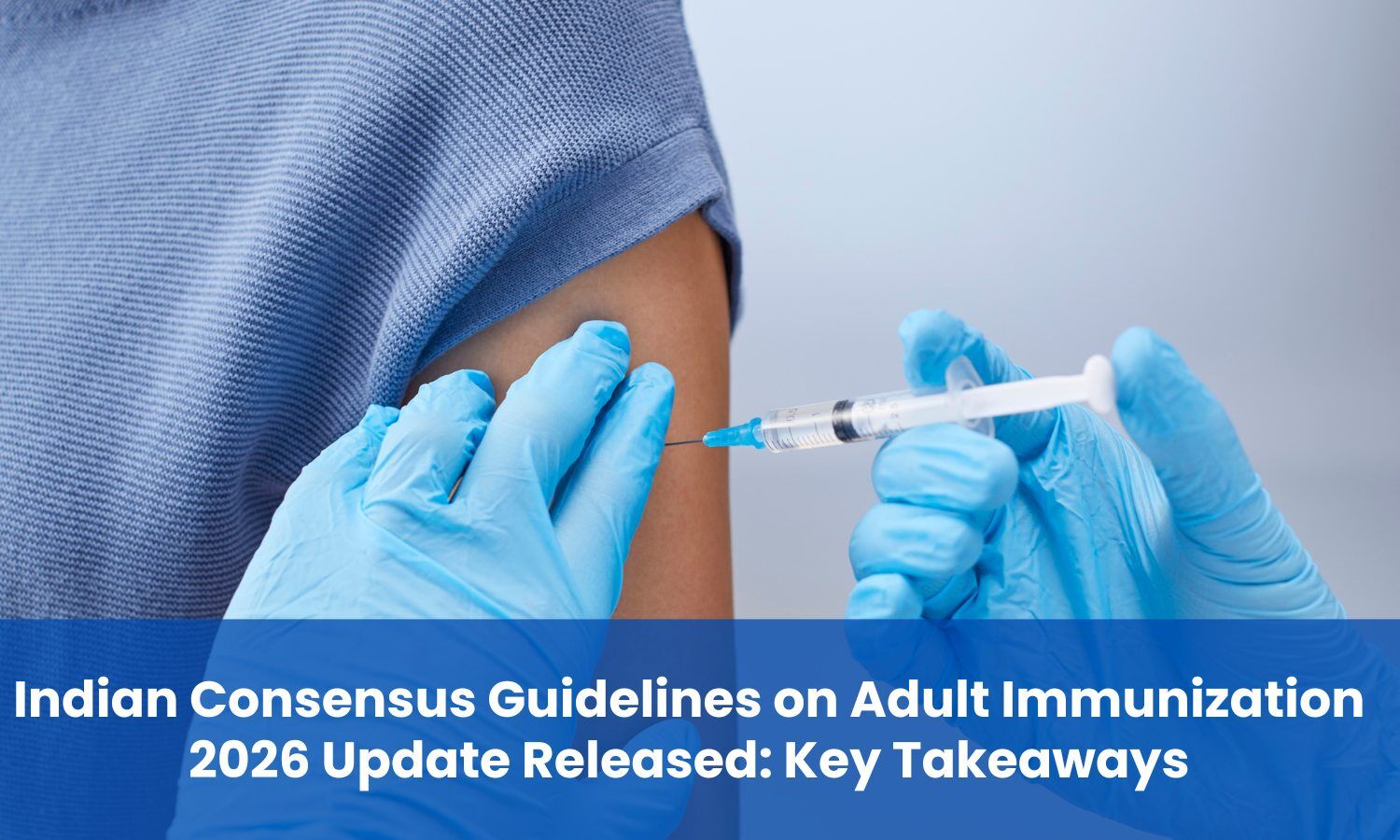
The vaccine battle
“One trend that began popping up in a number of states are bills aimed at holding manufacturers liable for any injury caused by a vaccine,” says Plues. “Really it is just another attempt by the anti-vaccine movement to curb vaccine usage in their states.”
The federal Vaccine Injury Compensation Program (VICP), formed by bipartisan legislation in 1986, is a program, funded by a tax on manufacturers, that has ensured people injured by certain vaccines are provided with a fair and efficient process for compensation. People who have been injured have their cases heard by dedicated judges with experience in vaccine injury, making the process oftentimes faster and more efficient than civil litigation.
BIO maintains the VICP program is the most effective and efficient mechanism to address vaccine-related injuries. BIO counters state-level vaccine-injury bills with a focus on educating state policymakers on why the VICP program is a better alternative for people seeking relief and restitution than developing state liability bills. Learn more about VICP with this BIO resource.
Thankfully, there is also some positive vaccine legislation on the state level.
“We just saw Pennsylvania become the first state to make immunization rates public for all of their school districts, and that’s something we think is a good idea—no other state has done that yet,” says Plues. Learn more with the Pennsylvania School Immunization Rates Interactive Data Tool.
Artificial Intelligence
“There is great interest among state legislators to regulate AI, particularly given that we don’t have a federal law in place yet,” says Plues. “So the states are taking it upon themselves to regulate it.”
In particular, AI’s potential to help drug manufacturers research and develop newer and more effective medicines could change the healthcare landscape as we know it. AI’s use, BIO notes, should be facilitated and protected.
Yet, there is another area of the healthcare world where the use of AI has already caused some concern: insurance coverage. BIO supports legislation that would implement safeguards around insurers’ use of AI in coverage and reimbursement decisions. State and federal guardrails need to be in place to ensure that AI is not being used to systematically deny or restrict access to care.
As we round out 2026 and head into 2027, BIO will continue to work on the ground in the states to ensure that patients of all kinds not only have access to the drugs and treatments they need, but that biotech can continue to innovate and develop breakthroughs.
The post Mid-year review: State-level legislative action impacting biotech appeared first on Bio.News.
Apa Reaksi Anda?
 Suka
0
Suka
0
 Kurang Suka
0
Kurang Suka
0
 Setuju
0
Setuju
0
 Tidak Setuju
0
Tidak Setuju
0
 Bagus
0
Bagus
0
 Berguna
0
Berguna
0
 Hebat
0
Hebat
0