





































%20and%20Batch%20Production%20Records%20(BPR).png)













GenSmile’s AI-driven future: how Pearl AI is being incorporated across the group
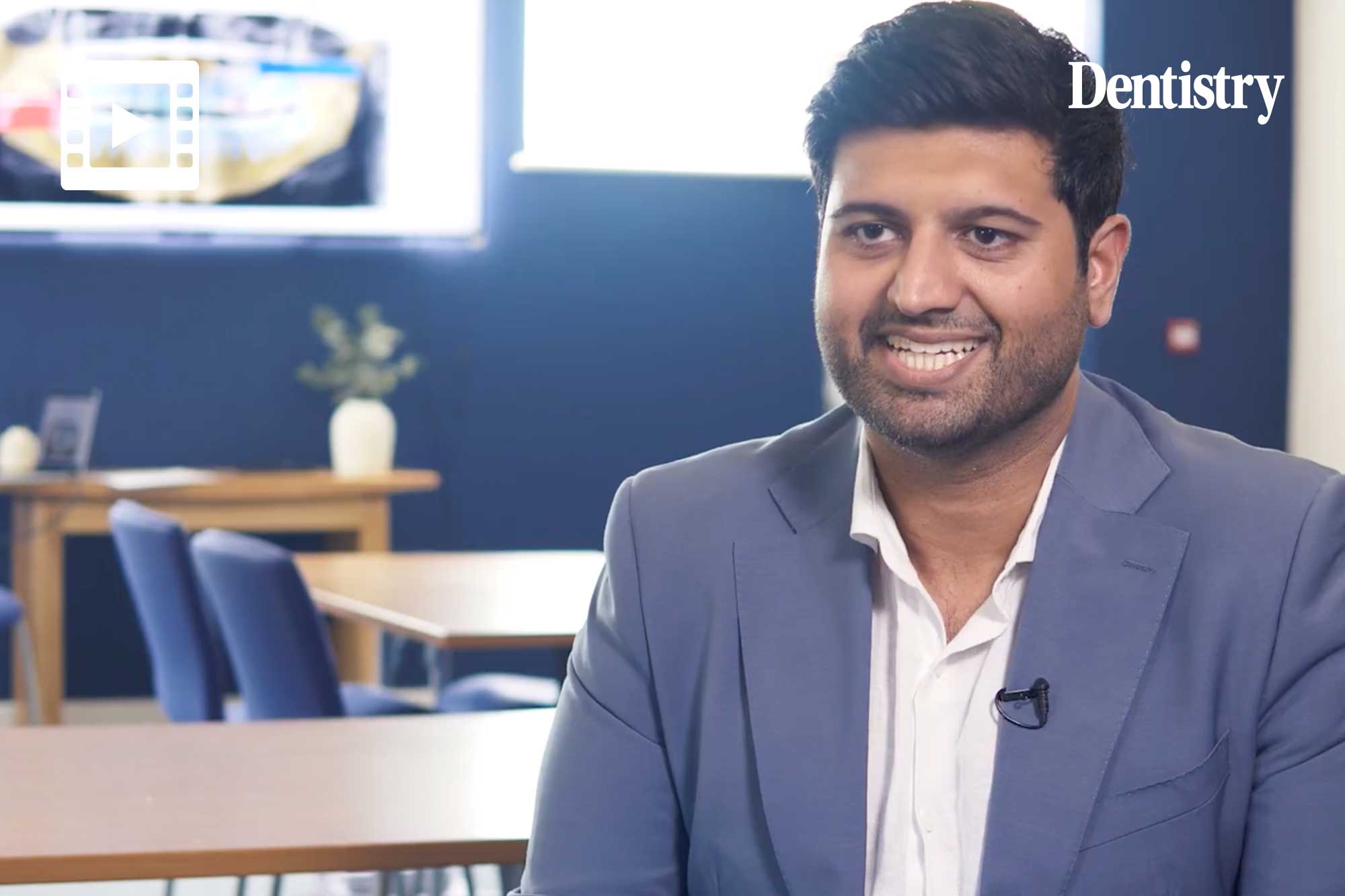
Artificial intelligence (AI) is no longer a future concept within healthcare, it is rapidly becoming an essential part of clinical practice – Dr Asad Rahman explains his motivation for adopting an AI-driven workflow.
Across dentistry, forward-thinking organisations are harnessing AI not as a replacement for clinicians, but as a powerful support system designed to enhance diagnosis, improve patient communication, and streamline workflows.
At the forefront of this digital transformation is GenSmile, one of the UKs largest privately owned dental groups, operating 38 practices nationwide. Under the clinical leadership of Dr Asad Rahman, who has spent the last three years integrating Pearl AI technology in his own practices, and now it is being rolled out to the GenSmile network, embedding AI into day-to-day and specialist practice while maintaining a strong commitment to clinical autonomy and patient-centred care.
For Dr Rahman, the motivation behind adopting AI was clear from the outset.
‘We have a central ethos of complete clinical freedom,’ he explains. ‘We want our clinicians to feel as if they’re in control. Put simply, we want to provide them the best tools and techniques, and then allow them to provide the standard of care to our patients.’
That philosophy reflects a wider shift happening within modern dentistry. AI is not being introduced to replace the clinician’s expertise, but rather to enhance it, providing an additional layer of support, consistency, and confidence during patient diagnosis and treatment planning.
What is Pearl AI?
Pearl AI is an advanced dental artificial intelligence platform designed to assist clinicians in interpreting radiographs and identifying potential dental conditions. Using machine learning technology trained on many millions of dental images, the software can highlight areas of concern such as caries, bone loss, failing restorations, calculus, and other radiographic findings in real time.
Importantly, Pearl AI does not diagnose independently. Instead, it acts as a ‘second opinion’ tool, helping clinicians validate their assessments and communicate findings more clearly with patients.
For dental groups such as GenSmile, the technology offers benefits far beyond the surgery itself. It creates consistency across multiple practices, enhances clinical governance, and helps standardise patient communication while still preserving individual clinicians’ judgement.
‘At a group level, we expect our AI approach to have massive benefit,’ says Dr Rahman. ‘Not just within an individual consultation between patients, but to really showcase that we are at the forefront of AI and digital technologies.’
Enhancing the patient journey
One of the most significant advantages of AI within dentistry is its ability to improve patient understanding and engagement. Dental radiographs can often be difficult for patients to interpret, which can create uncertainty around diagnoses or recommended treatment.
By visually highlighting potential issues directly on the X-rays, Pearl AI helps make conversations more transparent and easier to understand. According to Dr Rahman, this becomes even more powerful when the entire dental team embraces the technology.
‘It’s really important for us at GenSmile that our teams are using Pearl, and when you mention teams, it’s every member of the team,’ he explains.
Patients may interact with reception staff, treatment coordinators, hygienists, dentists, therapists, and specialists throughout their care journey. Having every member of the practice able to explain and reinforce AI-assisted findings creates continuity and trust.
‘When they see the hygienist, they’re being shown Pearl. When they see the dentist, when they see their specialist, they’re able to understand each stage of the treatment process from different dental professionals,’ says Dr Rahman.
This collaborative approach ensures patients remain engaged and informed throughout treatment, helping improve acceptance, confidence, and overall experience.
AI as clinical support, not replacement
Despite growing excitement around AI in healthcare, Dr Rahman is clear that technology should never replace clinical expertise.
‘As with any AI system out there, Pearl AI is not brought in to replace clinicians or their diagnostic ability,’ he says. ‘We have to use it as a second opinion.’
This distinction is critical. AI systems are designed to assist clinicians by improving consistency and reducing the possibility of missed findings, particularly during busy clinical sessions.
Fast paced dentistry today places immense pressure on clinicians, who are often balancing packed appointment books, treatment planning, patient communication, compliance requirements, and detailed note-taking simultaneously.
‘We all go through those days when we’re seeing multiple patients back to back and having to also do our notes in between,’ Dr Rahman notes. “’Things can make things chaotic, and having AI there as a kind of backup – as a handhold – to make sure we’re not missing anything is so important.’
The benefits extend beyond clinical reassurance. AI-assisted workflows can also improve efficiency, allowing clinicians to spend more meaningful time with patients while reducing administrative strain.
‘Time is at an essence,’ he says. ‘Systems like Pearl AI save so much time on an individual clinician basis and an individual patient basis that they’re worth their weight in gold.’
Reflecting a broader commitment to raising standards of care
For GenSmile, the adoption of Pearl AI represents more than simply implementing new software. It reflects a broader commitment to innovation, digital dentistry, and raising standards of care across its practices.
As patients increasingly expect transparency, technology integration, and contemporary healthcare experiences, AI is likely to become a standard feature within progressive dental organisations.
After three years of using the system himself, Dr Rahman’s verdict is unequivocal. ‘Having used Pearl AI for three years now, I couldn’t work without it.’
That statement perhaps captures the future of AI in dentistry most clearly. The most successful implementations will not be those attempting to replace clinicians, but those empowering them, enhancing confidence, improving communication, and ultimately helping deliver better patient care.
For more information visit: hellopearl.com/getdemo.
1. AI Works best as a clinical support tool, not a replacement
Dr Asad Rahman explains that Pearl AI is designed to enhance clinical decision-making rather than replace clinician expertise amongst GenSmile’s 38 practices. Acting as a ‘second opinion’ during radiograph assessment, the technology helps improve consistency, reduce the risk of missed findings, and support clinicians during busy clinical sessions while preserving complete clinical autonomy.
2. AI improves patient understanding and trust
One of Pearl AI’s biggest strengths is its ability to make diagnoses easier for patients to understand. By visually highlighting areas of concern on X-rays, the technology helps create clearer conversations and stronger patient engagement. GenSmile’s approach extends this across the full practice team, ensuring patients receive consistent explanations and reassurance at every stage of their treatment journey.
3. AI is becoming central to progressive dental care
For GenSmile, rolling out Pearl AI across its 38-practice network reflects a wider commitment to innovation, efficiency, and raising standards of care. Dr Rahman believes AI will become a standard part of progressive dentistry, helping clinicians save time, streamline workflows, and ultimately deliver a better patient experience.
For more information visit: hellopearl.com/getdemo.
Apa Reaksi Anda?
 Suka
0
Suka
0
 Kurang Suka
0
Kurang Suka
0
 Setuju
0
Setuju
0
 Tidak Setuju
0
Tidak Setuju
0
 Bagus
0
Bagus
0
 Berguna
0
Berguna
0
 Hebat
0
Hebat
0