















































%20and%20Batch%20Production%20Records%20(BPR).png)















Macrophage Membrane-Derived Nanoparticles Shows Potential Against Candida Infections

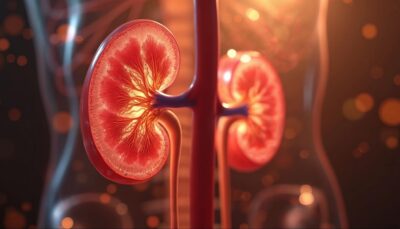
By using tiny particles made from the membranes of human immune cells, scientists from the University of California, San Diego and the University of Missouri have created antifungal nanoparticles that target Candida albicans, a fungus responsible for oral and vaginal yeast infections as well as bloodstream infections. Tests in mice with severe Candida infections show that the macrophage-derived nanoparticles reduced the amount of fungus in major organs, including heart, kidneys, lungs, and spleen. The mice also had improved survival rates.
Full details are published in Cell Biomaterials in a paper titled “Cell membrane-derived nanotherapeutic for combating Candida albicans infections.” In it, the scientists write that “this bioinspired nanodisc not only disrupts fungal membranes directly but also enhances host immune clearance, achieving potent antifungal activity.”
Current treatment options for fungal infections are limited and there are growing concerns about drug resistance. Existing medications typically target specific parts of a fungal cell and can lose effectiveness as fungi evolve resistance. The nanoparticles described in the current paper have a more potent strategy. Besides damaging fungal membranes, they also boost the body’s natural immune defenses to better fight infections.
According to the scientists, each nanodisc measures about 10-20 nanometers, about 1,000 times smaller than a normal macrophage. Their tiny size is an advantage as it allows them to fuse directly with fungal cell membranes and destabilize them, which is harder for full-sized macrophages.
To create the nanodiscs, the scientists isolated the outer membranes of the macrophages and broke up them up into tiny pieces. They then fused them onto disc-shaped nanoparticles made from a biodegradable polymer. Since the nanodiscs are built from macrophage cell membranes, they retain the same receptor proteins that the immune cells use to recognize and attack Candida. This means that the nanodiscs can identify and attach to fungal cells more effectively than those made from other cell types such as red blood cells.
Once attached, the nanodiscs weaken the fungal cell’s protective outer membrane until tiny openings form. As the membrane breaks down, the cell’s contents leak out while external substances seep in ultimately killing the fungus. Because this treatment strategy physically damages the fungal cell rather than targeting a specific molecule, the developers believe that it may be harder for the fungus to evolve resistance.
The nanodiscs also provide other countermeasures. They reverse the suppression of antifungal chemicals produced by macrophages during infection, and prevent Candida from forming biofilms that help to shield fungal cells from drugs and the immune system. Testing also revealed that the treatment was effective when administered both before and after infection suggesting that it could also be used as a preventative.
For their next steps, the scientists will further evaluate the antifungal potency of the nanodiscs against a broader range of pathogenic fungal species.
The post Macrophage Membrane-Derived Nanoparticles Shows Potential Against Candida Infections appeared first on GEN - Genetic Engineering and Biotechnology News.
Apa Reaksi Anda?
 Suka
0
Suka
0
 Kurang Suka
0
Kurang Suka
0
 Setuju
0
Setuju
0
 Tidak Setuju
0
Tidak Setuju
0
 Bagus
0
Bagus
0
 Berguna
0
Berguna
0
 Hebat
0
Hebat
0