














































%20and%20Batch%20Production%20Records%20(BPR).png)















Post-Surgery Recovery: Addressing Emotional, Psychological, and Physical Challenges
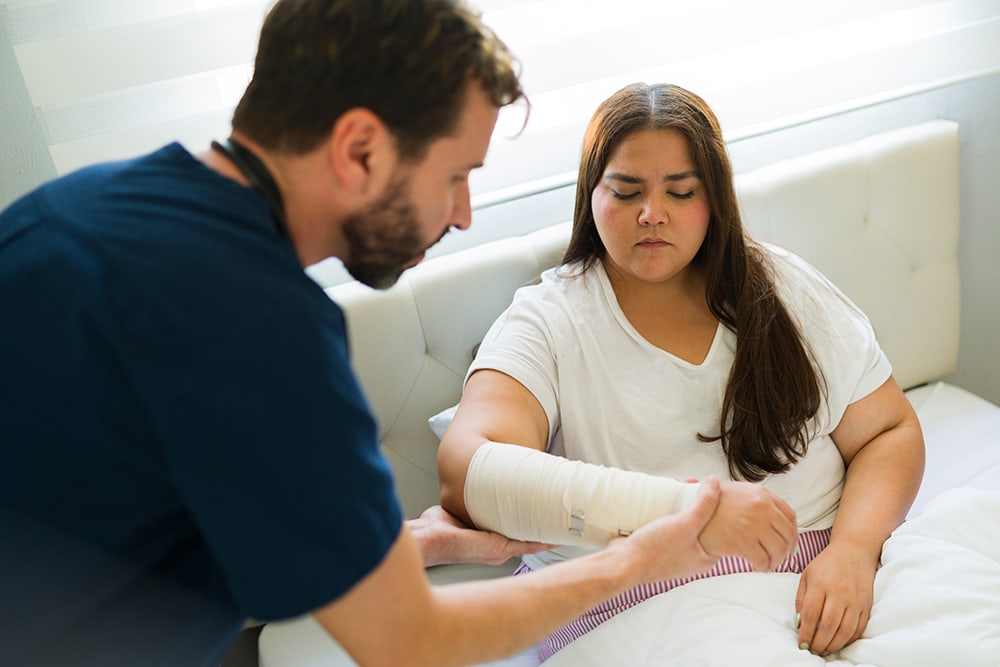
When preparing for surgery, the medical team and the patient will often focus on the physical things: what the surgery is for, how the patient will feel physically after the procedure, and what bodily recovery will be like.
But surgery can affect patients in all aspects of their lives. Luckily, there are proven ways to cope and heal. This article will share how surgery can affect the mind, body, and a patient’s lifestyle, plus ways to make recovery successful.
Emotional and Psychological Effects of Surgery
After surgery, it’s normal to feel overwhelmed by the experience. Pain, limited mobility, anesthesia, medication, disrupted sleep, and uncertainty about recovery can all take an emotional toll. Some patients may feel anxious, sad, irritable, or disconnected. These feelings mean you’ve been through something significant, and these feelings are normal.
Emotional and Psychological Post-Surgical Symptoms
Post-surgical depression, also called post-operative depression, can happen in some cases. Symptoms might include:
- Excessive sleeping
- Trouble falling asleep or staying asleep
- Irritability or mood changes
- Fatigue
- Loss of interest in things you normally like
- Feelings of helplessness or hopelessness
- Loss of appetite
Post-surgical traumatic stress occurs more frequently than you might think. Studies show that post-operative traumatic stress may occur in 20% of patients. Symptoms vary from person to person, but they sometimes include:
- Intrusive memories: Upsetting dreams or nightmares about a difficult event; emotional distress in response to something that reminds you of the event
- Avoidance: Going above and beyond to avoid anything to do with the event, like avoiding places or conversations
- Negative changes in thinking or mood: Negative thoughts about yourself or others, memory problems, having a hard time feeling happy, or feeling emotionally numb
- Hyperarousal: Feeling on edge or being startled easily
Tips for Recovering
Recovery looks different for everyone, but here are some strategies to try:
- Talk to your doctor and ask for support
- Stay connected to friends and family
- Limit alcohol consumption
- Try to stick to a routine
- Prioritize hobbies and passions
- Seek help from organizations like NAMI
NAMI, the National Alliance on Mental Illness, is the nation’s largest grassroots mental health organization. They provide free resources, including a HelpLine and support groups. The NAMI HelpLine is confidential and offers one-on-one emotional support and mental health information.
If you or someone you know is struggling with mental health concerns, call 1-800-950-NAMI (6264) or text “NAMI” to 62640.
Physical Challenges After Surgery
Many patients ask us whether surgery is a serious physical event for the body, and the answer is yes. When an operation is performed, the body experiences a “controlled injury.” The important word here is “controlled,” as surgeons are skilled, board-certified experts who know how to diagnose and repair injuries while also minimizing harm.
However, even though we do our best as healthcare providers to minimize damage, even the least invasive procedures still have a measurable effect on the body. That’s why recovery needs to be taken seriously, no matter what type of operation you have.
Physical Post-Surgery Symptoms
For the first 48–72 hours after a procedure, these symptoms are normal:
- Reddening of the skin around the incision
- Minor swelling
- Bruising
- Tenderness
- Clear or light-yellow drainage (liquid)
There are also symptoms to watch out for if they appear, such as:
- Redness that expands or appears with red streaks
- Thick, cloudy, or foul-smelling drainage (liquid)
- Pain that increases over time
- A fever of 100.5°F or higher
If you experience any of these symptoms, your body may be fighting an infection. Contact your doctor as soon as possible.
Tips for Recovering
To help your body heal after surgery, we recommend:
- Ice: Cool temperatures can help reduce swelling and bleeding, which may also help manage pain and muscle spasms
- Elevation: Keeping the injured or surgical area raised (above your heart) can help limit swelling and improve comfort as you heal; sitting in a reclining chair is not an effective method for creating elevation
- Sleep: Rest gives your body the time and energy it needs to heal; sleep supports tissue repair and can also help your body ward off infection
- Incision care: Your provider will give you specific instructions, but in general, keep the incision clean and dry and always wash your hands before/after caring for your wound
- Nutrition: Eat simple meals with protein and vitamins; they support healing and help prevent nausea; take medications with food (unless your provider says otherwise)
Lifestyle Changes After Surgery
Surgery can change your lifestyle, including your routine, work, and relationships. That’s why your healthcare provider may ask questions about your lifestyle before surgery, such as who you live with, what your daily routine looks like, what your job is like, and what activities matter most to you. These questions help identify what are called “resilience factors,” which are the strengths and resources that can support a smoother recovery.
Tips for Coping
Here are things you can do to build your “resilience factors” and ensure your lifestyle is less impacted by surgery:
- Prioritize relationships with empathetic, understanding people
- Practice mindfulness through activities like journaling or meditation
- Try to follow a set routine (with modifications as needed for comfort)
- Avoid negative outlets like alcohol and recreational drugs
- Speak to your employer about your procedure
- Keep asking questions, because the more you understand what to expect, the more prepared you’ll feel
Get on the Path to Total Recovery with OSMS
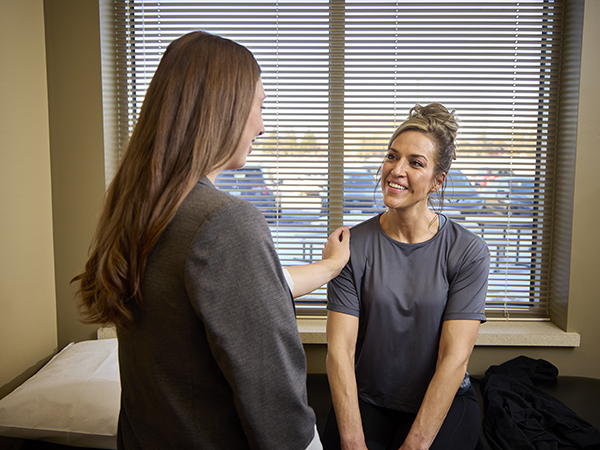
At OSMS, recovery means more than healing the physical injury. We look at the whole you—how you’re feeling, what questions you have, and what support you need along the way. If you’re prepping for surgery or struggling after a procedure, reach out to an OSMS provider. We’ll listen, talk through what you’re experiencing, and help develop a recovery plan.
Schedule an appointment today.
This blog was originally written in October 2018. It was updated in June 2026.
The post Post-Surgery Recovery: Addressing Emotional, Psychological, and Physical Challenges appeared first on Orthopedic Sports Medicine Specialists (OSMS).
Apa Reaksi Anda?
 Suka
0
Suka
0
 Kurang Suka
0
Kurang Suka
0
 Setuju
0
Setuju
0
 Tidak Setuju
0
Tidak Setuju
0
 Bagus
0
Bagus
0
 Berguna
0
Berguna
0
 Hebat
0
Hebat
0