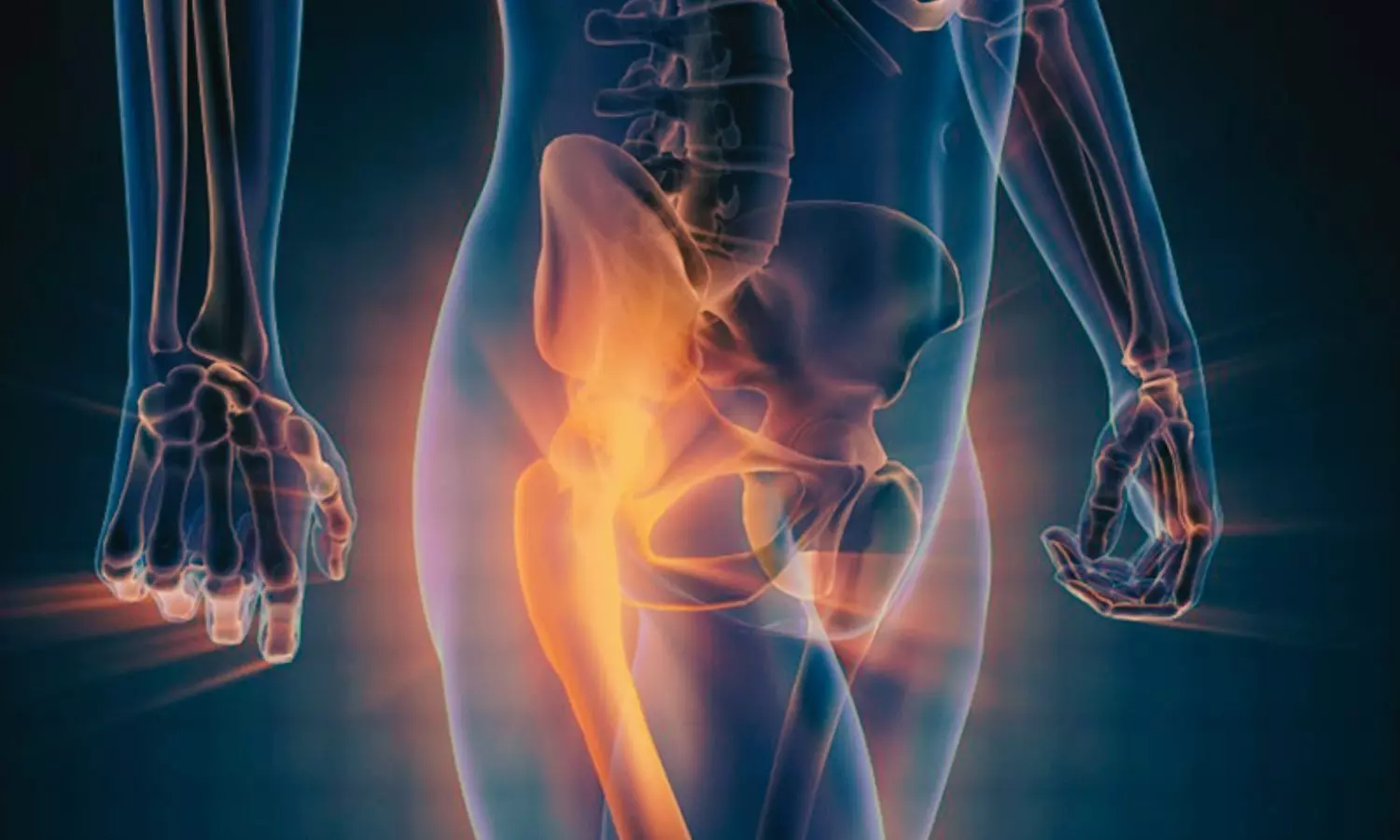
UK: A recent systematic review and meta-analysis published in the Journal of Cachexia, Sarcopenia and Muscle has evaluated the effectiveness of nandrolone decanoate in improving muscle strength, body composition, and bone health in adults, raising important questions about its clinical utility.
The study, led by Konstantinos Prokopidis from the Department of Musculoskeletal Biology at the University of Liverpool, examined whether this anabolic agent could counteract muscle loss and functional decline associated with ageing and chronic conditions such as sarcopenia and cachexia. While pharmacological strategies continue to attract attention in this field, robust evidence supporting their benefits remains limited.
For the analysis, the researchers systematically reviewed randomized controlled trials comparing nandrolone decanoate with placebo in adults aged 18 years and above. Multiple databases, including PubMed, Scopus, Web of Science, and the Cochrane Library, were searched up to April 2025 in accordance with PRISMA guidelines. A total of 20 trials met the inclusion criteria and were pooled using a random-effects meta-analysis. The quality of evidence and risk of bias were also carefully assessed.
Key
Findings:
- Nandrolone
decanoate resulted in a modest but statistically significant increase in
lean soft tissue, with an average gain of around 1.6 kg.
- The
increase in muscle mass did not lead to meaningful improvements in
functional outcomes.
- No
significant changes were observed in handgrip strength compared to
placebo.
- Knee
extension strength also remained unaffected.
- Fat
mass showed no significant difference between the nandrolone and placebo
groups.
Bone health outcomes were inconsistent across studies. While a small improvement was noted in bone mineral density at the proximal femur, no significant benefits were observed at other skeletal sites. Overall, the evidence did not demonstrate a clear or reliable advantage of nandrolone decanoate in enhancing musculoskeletal health.
The authors noted several limitations, including limited muscle strength data and a lack of dietary control, which may have influenced body composition outcomes. Women were underrepresented, preventing sex-specific analysis, and most trials were short-term, limiting long-term insights. Variability in study populations, methods, and older trial designs further affected consistency, while key physical performance outcomes were not reported.
Although most studies had a low risk of bias, the overall certainty of evidence was low, warranting cautious interpretation and the need for further high-quality research.
In conclusion, while nandrolone decanoate may slightly increase lean body mass, it does not appear to improve muscle strength or consistently enhance bone density. Given its limited functional benefits and known safety concerns, the findings do not support its routine clinical use. The authors emphasize that non-pharmacological interventions, particularly resistance exercise, adequate nutrition, and rehabilitation strategies, should remain the cornerstone of maintaining and improving musculoskeletal health.
Reference:
Prokopidis, K., Ispoglou, T., Thompson, T., Sanchez-Rodriguez, D., Hergelegiu, A. M., Balci, C., Alves, M., Pizzol, D., McLean, J., Soysal, P., Unim, B., Cherubini, A., & Veronese, N. (2026). Effects of Nandrolone Decanoate on Muscle Strength, Body Composition and Bone Density: A Systematic Review and Meta-Analysis. Journal of Cachexia, Sarcopenia and Muscle, 17(2), e70276. https://doi.org/10.1002/jcsm.70276






















































%20and%20Batch%20Production%20Records%20(BPR).png)
















 Suka
0
Suka
0
 Kurang Suka
0
Kurang Suka
0
 Setuju
0
Setuju
0
 Tidak Setuju
0
Tidak Setuju
0
 Bagus
0
Bagus
0
 Berguna
0
Berguna
0
 Hebat
0
Hebat
0