





















































%20and%20Batch%20Production%20Records%20(BPR).png)















What is the Skin Barrier, and Can You Repair It?
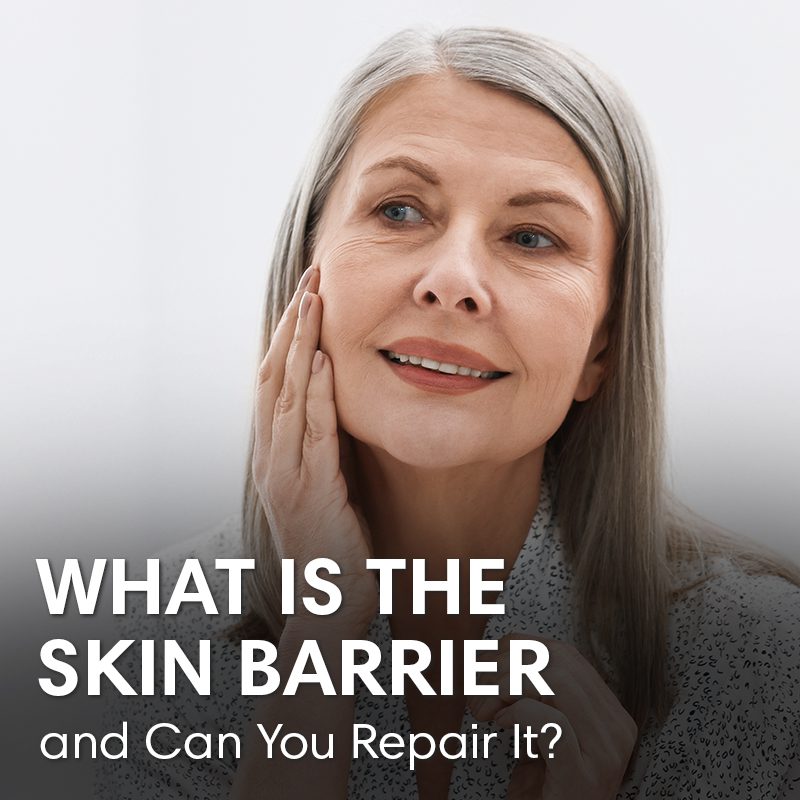

Learn How to Protect Your Skin’s Biggest Protector
Cold air, sweat, heat, humidity, UV rays, and exfoliation all challenge your skin barrier. It works so hard to protect your skin – so what can you do to protect it in return?
There are a lot of products out there claiming to help repair the skin barrier and promote more resilient skin; however, being skin smart means looking deeper into the trends. While social media has given consumers more access to information about skin care treatments and products than ever before, misinformation and trend-driven behaviors are actually creating more skin issues.
Tik Tok trends can promote corrective skin care practices for the skin barrier, but fail to consider an individual’s skin physiology, ingredient tolerance, or long-term skin health goals.
In this article, we explain the why, when, and how of skin barrier protection, and the benefit of consulting with a dermatologist for a personalized treatment plan.
What is the Skin Barrier?
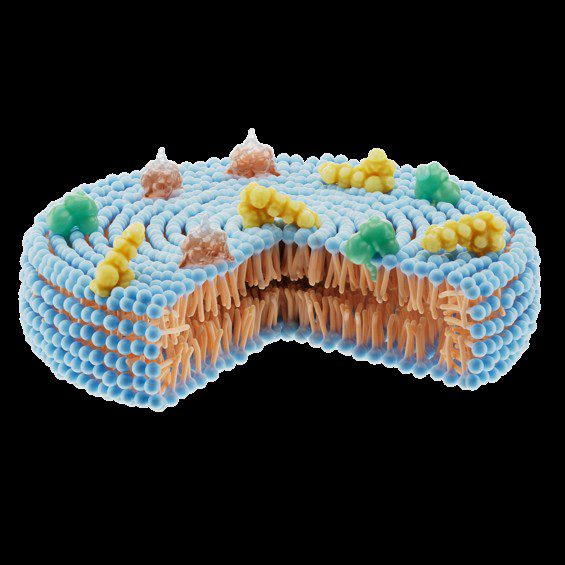
The skin barrier, or the stratum corneum, is the skin’s outermost layer. Its main function is protection and hydration.
The skin barrier is often described in terms of brick and mortar, because it’s made up of dead skin cells, or corneocytes (the “bricks”) that are held together by lipids and a thin layer of slightly acidic film (the “mortar”). Together, these components lock in moisture, maintain skin health and comfort, and keep germs and irritants out.
When the cells, lipids, and film are intact, the skin barrier offers optimal protection, and your complexion will be healthy, hydrated, and balanced. However, if it starts to break down, moisture escapes more easily and threats like allergens, toxins, and bacteria, can get in more easily, making the skin more vulnerable to irritation, inflammation, and dryness.
What Causes Damage to the Skin Barrier?
Environmental factors like UV exposure or extreme cold and hot air can certainly play a role in damaging the skin barrier, but there are some other common causes that are typically directly linked to a skin care routine.
Over-Exfoliation. Using harsh scrubs or chemical exfoliants often strip away the skin’s protective outer layer, and frequent exfoliation doesn’t give the skin barrier enough time to recover.
Irritating Ingredients. Skincare products that contain high concentrations of alcohol, strong cleansing agents, or fragrances irritate sensitive skin and damage the skin barrier.
Overuse of Active Ingredients. “Actives” like retinoids, alpha hydroxy acids (AHAs), beta hydroxy acids (BHAs), among others, can provide excellent benefits for your skin when used properly. However, using too many at once or introducing them too quickly can overwhelm the skin and irritate the skin barrier.
Over-Cleansing. Washing your face too frequently, especially with harsh cleansers, can remove the beneficial lipids that help protect the skin. For a balanced skin care routine, wash your face in the morning and evening with gentle cleansers, and apply a fragrance-free moisturizer immediately after to lock in protection.
Sun Exposure. Consider this another reminder to apply sunscreen! UV exposure without sun protection damages skin cells and weakens the skin barrier over time. Applying a daily sunscreen is the simplest, most effective way to protect your skin’s natural protective barrier.
Signs You Need to Repair Your Skin Barrier
When your skin barrier becomes damaged, you may notice some fairly obvious symptoms:
- Dryness or tightness
- Flaky or peeling skin
- Redness
- Burning or stinging after applying skincare products
- Increased sensitivity
- Rough texture
- Itching
- Breakouts that are not typical for your skin
- Reactivity to products you’ve used before
If you’re experiencing any sudden skin irritation, it could be a sign your skin barrier is damaged and needs to be repaired, and it may be time to schedule a visit with your dermatologist.
A dermatologist can help you determine if your symptoms are related to a damaged skin barrier and diagnose whether you have a specific skin condition caused by a damaged skin barrier.
A damaged skin barrier can is linked to many skin issues, including:
- Ichthyosis
- Allergic contact dermatitis
- Seborrheic dermatitis
Learn more about skin rashes: Skin Rashes and Treatment
How to Repair Your Skin Barrier the Right Way
Your skin barrier can be repaired, but it requires time, consistency, and the right approach. Despite many skin care trends promising rapid results, repairing the skin barrier is not immediate. The skin needs some time to restore its natural lipids and rebuild its protective structure.
Fortunately, more mild skin barrier damage improves by scaling down your skin care routine and using supportive products.
Simplify Your Routine
If your skin feels irritated, it’s a sign you should scale down use of active ingredients in favor of a gentle cleanser, moisturizer, and sunscreen until your skin feels balanced again and can handle slow introduction of active ingredients.
Use Ingredients that Support the Skin Barrier
Many moisturizers are formulated specifically to strengthen the skin barrier. Helpful ingredients include:
- Ceramides: Replenish the skin’s natural lipids
- Hyaluronic Acid: Attracts and holds moisture
- Glycerin: A humectant that helps hydrate the skin
- Niacinamide: Supports skin barrier function and calms redness
- Fatty Acids: Help restore the skin’s protective lipid layer
Apply a Daily Sunscreen
Before leaving the house each day, apply a broad-spectrum sunscreen with an SPF 30 or higher to protect your skin from UV rays and support long-term skin barrier health.
Learn more about sun care: Skin Cancer Prevention – Sun Protection and Tips
Stay Consistent
Using gentle products consistently is more effective than frequently switching routines or trying every trending skin care product you see on social media.
The best habits that help protect your skin barrier include:
- Introducing new products one at a time
- Give your skin several weeks to adjust to any changes before adding additional actives
- Keep your skin moisturized daily
- Adjust your routine seasonally to account for colder, drier months and hot, humid months
- Scale back when your skin feels irritated rather than adding more products or trying a new routine, especially a skin cycling routine
Learn more about skin cycling: Is a Skin Cycling Routine Right for You?
Importantly, be patient. Skin repair takes time, and depending on the level of skin barrier damage, it may take several weeks of consistent care to see and feel a difference.
If you’re struggling with irritation and discomfort and can’t find relief, visit your dermatologist. Schedule an appointment today with one of our expert providers who will help you repair your skin barrier with a personalized treatment and plan.
Frequently Asked Questions About Repairing a Damaged Skin Barrier
What is the skin barrier?
The skin barrier is the outermost layer of your skin, called the stratum corneum. It acts as a protective shield by locking in moisture while helping keep bacteria, irritants, allergens, and pollutants out.
How do I know if my skin barrier is damaged?
Common signs of a damaged skin barrier include dryness, flaking, redness, burning or stinging after applying skincare products, increased sensitivity, rough texture, and unexpected breakouts. If these symptoms persist, it’s a good idea to see a dermatologist.
How long does it take to repair the skin barrier?
For mild damage, the skin barrier may begin improving within a few weeks when you use a gentle skincare routine and avoid irritating products. More significant barrier damage or underlying skin conditions may take longer and benefit from professional treatment.
What ingredients help repair the skin barrier?
Dermatologists often recommend products containing ceramides, hyaluronic acid, glycerin, niacinamide, and fatty acids. These ingredients help replenish moisture, restore lipids, and support the skin’s natural protective function.
Can using too many skincare products damage my skin barrier?
Yes. Overusing exfoliants, retinoids, AHAs, BHAs, or harsh cleansers can weaken the skin barrier and lead to irritation. Introducing new products gradually and maintaining a simple, consistent routine can help keep your skin healthy.
The post What is the Skin Barrier, and Can You Repair It? appeared first on Optima Dermatology.
Apa Reaksi Anda?
 Suka
0
Suka
0
 Kurang Suka
0
Kurang Suka
0
 Setuju
0
Setuju
0
 Tidak Setuju
0
Tidak Setuju
0
 Bagus
0
Bagus
0
 Berguna
0
Berguna
0
 Hebat
0
Hebat
0